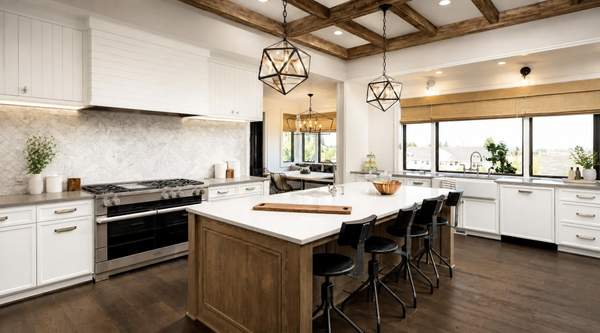
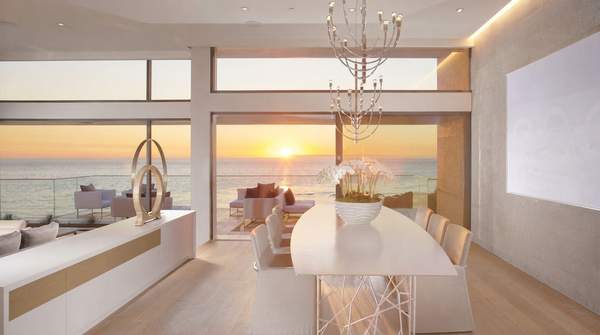
Searches for 'cabbageware' increased by 250% on Pinterest, and the #CabbageCore hashtag on TikTok climbed 115% in just three months, illustrating social media's rapid capacity to ignite and disseminate niche aesthetic trends. This accelerated adoption cycle means specific design elements can achieve widespread visibility almost instantaneously, influencing countless home décor decisions globally. The immediate and pervasive nature of these platforms has fundamentally altered how design inspiration is consumed and replicated.
However, social media has made interior design more accessible to the masses, but the very platforms driving this accessibility are simultaneously fostering aesthetic homogeneity through rapid trend cycles and algorithmic echo chambers. This tension between widespread access and narrowed vision defines the current state of interior design.
The interior design landscape risks becoming a self-referential loop of fleeting, similar aesthetics, potentially stifling genuine innovation and personal expression in the long term. This constant digital current challenges the very notion of cultivating a truly unique and enduring personal style within the home.
The proliferation of platforms has undeniably transformed the interior design sector. Social media has made design more accessible, according to Archdaily, allowing a wider audience to engage with and explore various styles and concepts previously confined to professional circles. This democratization of access has enabled individuals to visualize and implement design ideas for their homes with greater ease, breaking down barriers that once limited design knowledge to a select few.
Home aesthetics are now subject to immediate and pervasive influence from social media, as noted by The New York Times. While this offers an expansive gallery of inspiration, it introduces a subtle paradox. The pursuit of distinct personal style can often morph into an unconscious adoption of prevailing trends, risking a homogenization of interiors rather than fostering genuine individuality.fostering true individuality. The constant influx of images creates a pressure to keep pace with the latest visual language.
This dynamic suggests that while social media has undeniably democratized access to design inspiration, this newfound accessibility comes with a subtle, yet significant, cost to genuine aesthetic diversity. The constant exposure to a curated feed of popular designs can inadvertently narrow the perceived spectrum of acceptable styles, subtly eroding the space for truly unique personal expression. This environment prioritizes rapid consumption over thoughtful curation, creating a challenge for those seeking to develop a truly personal design ethos in 2026.
The Velocity of Viral Aesthetics
The emergence of fast-paced internet aesthetic trends in interior design is a direct consequence of social media platforms. These digital currents accelerate the lifecycle of styles, moving them from niche appeal to widespread adoption at an unprecedented rate. What might once have taken years to permeate the design consciousness now achieves global recognition in mere months, driven by shares, likes, and algorithmic promotion.
A recent example highlights this velocity: searches for 'cabbageware' increased by 250% on Pinterest, and the #CabbageCore hashtag on TikTok climbed 115% in just three months, according to Elle Decor. This rapid surge for a specific, almost whimsical aesthetic demonstrates social media's power to dictate and homogenize taste in an almost involuntary fashion. Such trends become ubiquitous quickly, often before designers or consumers have had time for deeper reflection on their enduring appeal or historical context.
Rapid, hyper-specific trends show how platforms can quickly elevate certain styles to widespread popularity, often leading to their equally swift obsolescence. Social media platforms are not just reflecting trends but actively manufacturing and accelerating them, turning personal home aesthetics into a disposable commodity rather than a lasting expression of self. This cycle prioritizes novelty over substance, making long-term design cohesion a challenge for many homeowners.
The sheer speed and specificity with which a niche aesthetic can explode, like cabbageware, shows social media's unprecedented power to dictate and homogenize taste. This constant acceleration creates a landscape where design innovation is often reduced to fleeting visual fads, diminishing the opportunity for movements that evolve organically over time. The pressure to remain current can overshadow the desire for personal resonance.
The Personalization Paradox
The look of the home has become a calling card of personal taste and style, a deeply ingrained aspiration for many individuals. Consumers often invest significant time and resources into curating their living spaces to reflect their identity, values, and experiences. This desire for unique self-expression drives much of the engagement with interior design content across various platforms.
Despite this aspiration for unique personal expression through home aesthetics, the very tools used for inspiration can inadvertently guide individuals towards a shared, rather than distinct, visual language. The platforms presenting design ideas, while seemingly offering boundless options, subtly funnel users towards popular aesthetics. This creates a paradox where the pursuit of 'personal taste and style,' as articulated by The New York Times, becomes a race to adopt the latest fleeting aesthetic rather than cultivating enduring individuality.
The ease of replicating visually appealing spaces seen online encourages a mimicry that often supersedes genuine design exploration. Instead of fostering a diverse range of styles, the constant exposure to algorithmically favored looks can lead to a convergence of aesthetic preferences. This means that while users believe they are curating a personal space, they may inadvertently be assembling a collection of widely adopted trends, diluting their original intent for individuality.
The platforms that allow home aesthetics to become a 'calling card of personal taste' are also the primary drivers of 'fast-paced internet aesthetic trends,' according to Archdaily. This implies that personal taste is now largely dictated by external, rapidly shifting digital currents rather than intrinsic preference. The inherent desire for uniqueness clashes with the homogenizing forces of viral content, creating a subtle tension in how personal spaces are conceived and executed.
Algorithmic Homogeneity
The echo chamber of social media feeds may be limiting users' discovery of décor ideas, according to The Wall Street Journal. While algorithms are designed to deliver content aligned with perceived user interests, they inadvertently create narrow, self-reinforcing loops of information. This curatorial approach, intended to enhance user experience, often restricts exposure to truly novel or unconventional design, leading to a convergence of aesthetic preferences across a broad user base.
The tension between social media making design 'more accessible' yet simultaneously limiting 'discovery of décor ideas' through 'echo chambers' suggests that consumers are being offered an illusion of choice. While platforms like Archdaily highlight increased accessibility, the actual experience of discovery is constrained by algorithmic filtering. This leads to a superficial accessibility rather than true breadth of inspiration, subtly herding aesthetic preferences towards algorithmic conformity.
This algorithmic curation, while designed to deliver relevant content, inadvertently restricts users' exposure to truly novel or unconventional design, fostering a narrower, more uniform aesthetic landscape. Users are more likely to see variations of what they already like, or what is currently trending, rather than being introduced to diverse, counter-current styles. This reduces the serendipitous discovery that often fuels genuine design innovation and personal stylistic evolution.
The outcome is a design environment where trending aesthetics are amplified, becoming dominant visual narratives. This constant feedback loop means that niche styles, once discovered, are rapidly disseminated and then just as quickly replaced, without allowing for deeper engagement or long-term development. The algorithmic drive for engagement inadvertently stifles the natural, slower evolution of diverse aesthetic movements, pushing instead for a homogenized, easily consumable visual language.
Beyond the Feed: Cultivating Authentic Style
To counter the homogenizing effects of social media, designers and consumers alike must actively seek out inspiration beyond their curated feeds, fostering a more diverse and genuinely innovative future for interior design. This requires a conscious effort to break free from algorithmic suggestions and explore a wider spectrum of design history, cultural influences, and emerging independent voices.
The long-term impact of social media's influence on design innovation and personal expression necessitates a shift in how design content is consumed. Relying solely on platform algorithms for inspiration risks reducing personal aesthetics to a transient collection of popular trends, rather than a reflection of individual narrative and sustained taste. Cultivating an authentic style demands critical engagement with visual information, questioning why certain trends resonate and whether they align with one's personal vision.
This conscious consumption involves seeking out diverse sources, such as architectural journals, historical design archives, and local artisan markets, which offer perspectives often absent from mainstream digital feeds. By broadening the scope of inspiration, individuals can develop a more nuanced understanding of design principles and cultivate a unique aesthetic that transcends fleeting online trends. This approach promotes longevity and personal significance over immediate gratification.
Ultimately, the future of interior design depends on a deliberate move towards informed individualism. By Q4 2026, design professionals and discerning consumers will increasingly prioritize sourcing unique, handcrafted pieces and engaging with bespoke design services to differentiate their spaces from algorithm-driven uniformity. This intentional pursuit of distinctiveness will be crucial for preserving genuine personal expression within the evolving digital design landscape.