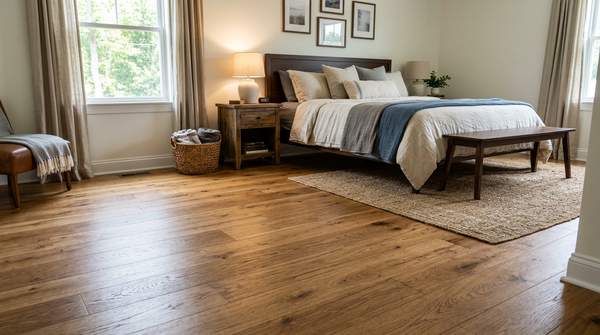
Forget the old adage: interior designers now actively tell clients to break the rule against mixing metals and wood tones in their decor, a once-taboo practice. This champions a more personalized approach to living spaces, moving away from rigid aesthetics. Explicit encouragement from design authorities like Martha Stewart to defy long-standing principles marks a new era where individuality trumps traditional harmony.
Interior design has long been governed by strict rules. Now, top designers advocate for their deliberate violation to foster individuality. This tension re-evaluates 'good taste,' challenging historical tenets of design.
This shift in expert opinion suggests personalized, rule-breaking design will become the new standard. Homeowners can prioritize expression over convention.
5 Interior Design Rules to Break
1. Mixing Metals in Decor
Best for: Layered, sophisticated aesthetics.
Mixing metals adds depth. Martha Stewart suggests repeating each finish more than once for cohesion. This moves beyond uniform finishes, creating a richer visual experience. The implication: a room feels more curated, less sterile.
Strengths: Adds depth, visual interest | Limitations: Requires careful repetition, balance | Price: Varies with material choices.
2. Mixing Wood Tones in Decor
Best for: Warmth and character.
Martha Stewart suggests mixing wood tones for a natural, lived-in feel. This creates a cohesive, varied environment reflecting personal style. The result is an organic space, not a showroom.
Strengths: Enhances organic feel, visual texture | Limitations: Needs a unifying element to prevent clutter | Price: Dependent on wood type, furniture.
3. Using Only Light Colors for Small Spaces
Best for: Dramatic impact, intimate atmospheres.
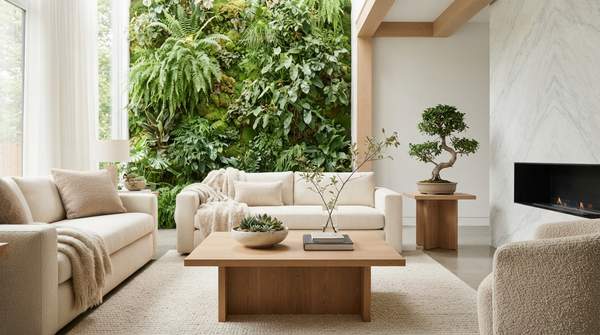
Martha Stewart notes designers now break the rule of using only light colors in small spaces. Darker hues create a cozy, expansive feel. This challenges conventional wisdom, proving depth can expand perception.
Strengths: Adds depth, perceived spaciousness | Limitations: Requires good lighting design | Price: Standard paint costs.
4. Avoiding Shades as Less Stylish
Best for: Nuanced color palettes.
Martha Stewart challenges the idea that shades are less stylish. Incorporating them allows for subtle complexity and unique color schemes. This approach unlocks sophisticated palettes beyond primary tones.
Strengths: Creates sophisticated, unique color schemes | Limitations: Can appear dull without contrasting elements | Price: Standard paint costs.
Outdated Rules vs. Modern Design Freedoms
| Rule Category | Traditional Approach | Modern Freedom | Impact on Space |
|---|---|---|---|
| Metals in Decor | Match all metal finishes for cohesion. | Mix finishes (e.g. brass with chrome) for depth. | Layered, lived-in, and personalized feel. |
| Colors in Small Spaces | Use only light colors to make spaces appear larger. | Employ dark, rich colors to create intimacy and depth. | Cozy, dramatic, and perceived as boundless. |
| Overall Aesthetic Goal | Achieve universal harmony and adherence to trends. | Prioritize individual expression and unique narratives. | Authentic, reflective of occupant's personality. |
This shift redefines 'good taste,' moving from prescriptive harmony to celebrated individuality.
Why Designers Break Common Interior Design Rules
Designers move beyond generic aesthetics. They seek spaces reflecting a homeowner's unique personality and lifestyle. This is a professional endorsement of design 'heresy.' It rewrites 'good taste' to prioritize expressive freedom over prescriptive guidelines.
A home should tell a story. It must reflect its inhabitants' lives and experiences. This values authenticity and emotional connection over strict rules. The aim is distinct environments that evoke belonging and individuality. The implication: design becomes a personal narrative, not a formula.
Common Questions on Breaking Decor Rules
What are common interior design rules?
Traditional rules often emphasize uniformity: matching furniture, consistent wood shades, or specific color palettes. These aimed for predictable aesthetics but now limit individual creativity.
How to make a home unique with interior design?
Layer diverse textures. Incorporate pieces with personal history. Curate art reflecting your narrative. Blend elements from different eras or aesthetics that resonate personally.
Can I ignore interior design rules for my home?
Yes, but understand the principles first. Knowing why a rule exists allows for intentional, creative subversion. This ensures unique choices still result in a functional, pleasing space.
If this trend continues, personalized, rule-breaking design will likely define unique living spaces in the coming years, empowering homeowners to prioritize expression over convention.