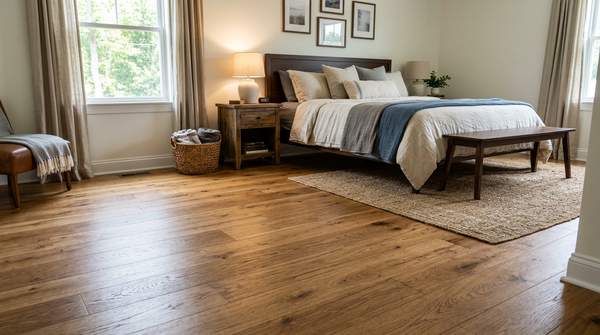
Implementing core Japandi principles—Ma, Wabi-Sabi, and Shakkei—transforms a room into a Zen sanctuary, actively reducing anxiety and stress, according to Diluo. While many seek peace in escape or elaborate self-care, Japandi design cultivates profound internal calm through intentional spatial arrangement. As focus shifts to holistic well-being and environmental consciousness, Japandi is poised to become a foundational approach for mindful, resilient, and aesthetically enduring living spaces.
What Defines Japandi Design?
Japandi design uses a neutral palette, natural materials, clean lines, and prioritizes functionality and craftsmanship, as detailed by 2modern. This aesthetic unifies Japanese minimalism and Scandinavian warmth. The result is a cohesive, livable style that champions visual appeal and practical utility. It embeds purpose into every element, ensuring function and a serene atmosphere, contrasting with purely decorative styles.
The Subtle Nuances of Japandi Aesthetics
Japandi design feels warmer than Scandinavian, notes Mystofa. Natural wood tones and soft textiles create this comfort. Refined color schemes—muted tones, off-whites, greys, natural greens—promote visual tranquility. Japandi refines minimalism for enhanced comfort, differentiating it from colder, more austere trends. This thoughtful application of color and texture makes spaces inviting, fostering peace without sacrificing visual interest or functional simplicity.
Beyond Aesthetics: Sustainable Japandi Spaces
Japandi minimalist architecture reduces waste and construction costs through simplified forms and strategic material choices, as evidenced by James Hardie. Japandi is intelligent, resource-conscious living, not just visual appeal. Durable, natural materials and streamlined construction lessen environmental impact, appealing to an environmentally aware audience. Japandi offers a rare synergy: profound calm, reduced environmental impact, and lower construction costs, challenging the notion that peace comes at a premium, according to James Hardie. This integration of sustainability makes it a holistic design philosophy.
The Philosophy of Peace: Embracing Ma
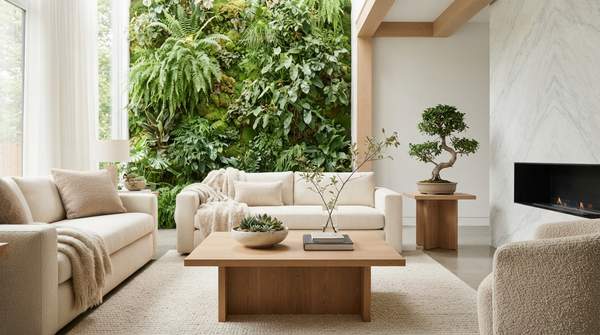
Ma emphasizes minimalism and negative space to create peace and clarity, explains Diluo. This Japanese principle highlights open, uncluttered areas, allowing the mind to rest. Japandi crafts environments fostering mental well-being through thoughtful spatial arrangement and an appreciation for emptiness. It creates intentional voids that invite contemplation and reduce visual noise. Japandi design, through principles like Ma, Wabi-Sabi, and Shakkei, cultivates a 'Zen sanctuary' within daily living, a potent antidote to modern anxiety, according to Diluo. This embeds tranquility directly into surroundings, offering continuous calm.
Common Questions About Japandi Style
What are the key elements of Japandi interior design?
Japandi interiors prioritize natural light, often incorporating sheer window treatments or no coverings to maximize illumination. They also feature intentional imperfections, celebrating the unique character of handmade ceramics or aged wood, which distinguishes them from purely polished styles. Functionality is paramount, ensuring every item serves a purpose and contributes to the overall tranquility.
How to achieve a serene atmosphere with Japandi style?
To cultivate a serene Japandi atmosphere, focus on decluttering to allow for open space, known as "Ma." Introduce plants for biophilic connection, selecting species with simple forms like snake plants or ferns. Employ soft, diffused lighting to mimic natural daylight, creating a gentle and inviting ambiance throughout the space.
What is the difference between Japanese and Scandinavian design?
While both styles share minimalism, Japanese design often features darker wood tones and a more formal, structured approach to space, emphasizing tradition and craftsmanship. Scandinavian design typically uses lighter woods and softer textiles, focusing on "hygge" – a sense of cozy contentment and informal comfort. Japandi harmonizes these by blending the best of both.
By 2026, Japandi design will likely solidify its role as a foundational approach for creating mindful, resilient, and aesthetically enduring living spaces, if the demand for sustainable domestic tranquility continues to grow.