What Are Biophilic Design Principles for Well-being in Modern Interiors?

Integrating views to nature into an office space can save over $2,000 per employee per year in office costs, according to Terrapinbrightgreen .

LB
Luca Bianchi

April 13, 2026 · 5 min read

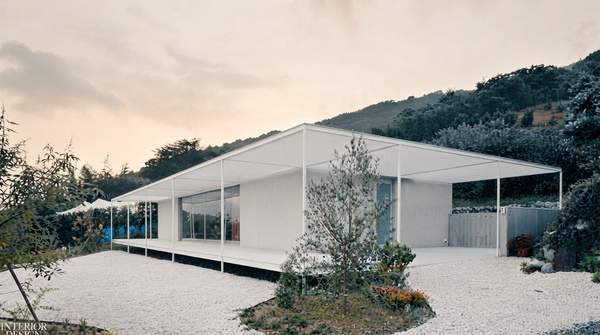
A modern office interior with abundant natural light, indoor plants, and a living green wall, demonstrating biophilic design for employee well-being.

Integrating views to nature into an office space can save over $2,000 per employee per year in office costs, according to Terrapinbrightgreen. A financial incentive positions biophilic design not as an aesthetic choice, but a strategic business imperative with measurable returns. Companies that overlook these proven savings actively forgo substantial economic advantages, impacting both operational budgets and employee well-being.

Despite these profound benefits for human well-being and organizational finances, widespread adoption of biophilic design in modern interiors remains limited. The tension reveals a disconnect between documented advantages and practical implementation across built environments. Many organizations and individuals continue to design spaces that fail to leverage this inherent connection to the natural world.

Companies and individuals prioritizing biophilic design will likely gain a significant competitive advantage in human capital and operational efficiency. Those who ignore it risk falling behind in employee retention and overall quality of life. Biophilic principles offer a clear path to improved health, productivity, and a more harmonious existence within our built surroundings, a critical consideration for well-being in 2026.

More Than Just Plants: Defining Biophilic Design

Biophilic design, at its core, acknowledges humanity's innate tendency to connect with nature—a concept known as biophilia. This philosophy extends beyond mere potted plants; it systematically integrates natural elements and processes into built environments. The goal is to foster positive psychological and physiological responses. Research indicates exposure to biophilic design positively affects self-reported psychological states, including inspiration, as reported by PMC.

The benefits of nature connectedness are extensive. They encompass relaxation, stress relief, lower blood pressure and heart rate, decreased chronic pain, and improved cognitive functioning, according to the same PMC study. Individuals also report increased positive emotions and reduced fatigue, aggression, and sadness. Such outcomes reveal the profound impact of natural environments on daily experience and overall health.


Crucially, designs without biophilic quality tend to adversely affect psychological states, as further revealed by PMC. The finding suggests a lack of natural connection is not neutral, but actively detrimental to human well-being. Modern built environments, by default, often detract from human health. The situation demands a proactive shift from neutral design to intentionally biophilic spaces. Designers and architects must therefore integrate biophilic principles as a fundamental requirement, not an optional amenity.

The Science and Strategy of Natural Integration

Systematic implementation of biophilic design relies on established frameworks. One study developed a 'Biophilic Toolkit' with 42 strategies, organized into seven distinct categories, complete with illustrations and descriptions of benefits, according to Research. The toolkit provides a structured approach for integrating natural elements, from direct connections like natural light and vegetation to indirect ones such as natural materials and biomorphic forms.

These strategies are not applied uniformly. Biophilic design patterns should scale to the surrounding environment and the predicted user population, according to Terrapinbrightgreen. The tailored approach ensures interventions are contextually appropriate and maximally effective. A bustling urban office, for instance, might prioritize views of green roofs or indoor plant walls. A suburban home could focus on maximizing natural light and integrating local flora.

Despite the existence of a detailed 'Biophilic Toolkit' with 42 strategies, limited adoption of biophilic design indicates a significant barrier to implementation. The issue is not a lack of knowledge or practical methods, but potentially a lack of perceived urgency or investment among decision-makers. Despite rigorous research and practical toolkits affirming biophilic design as a systematic, tailored approach, widespread integration remains a challenge.

Beyond the Office: Biophilia's Untapped Potential in Residential Spaces

While biophilic design offers significant financial benefits in office environments, its therapeutic potential in residential settings remains largely untapped. Residential environments are often overlooked as a complementary means to improve therapeutic outcomes, as noted by PMC. The situation represents a significant missed opportunity to extend clinical benefits beyond the workplace and into the most personal of spaces.

The home, as a primary environment for rest and rejuvenation, holds immense potential for fostering well-being through biophilic principles. Integrating natural light, views of greenery, and natural materials can transform a living space into a restorative sanctuary. These elements contribute to reduced stress, improved mood, and enhanced cognitive function for residents, creating a continuous therapeutic effect.

The profound therapeutic potential of biophilic design remains largely untapped in personal living spaces. The situation represents a significant missed opportunity for individual well-being. Recognizing the home as a vital component of a holistic health strategy, designers and homeowners can actively integrate biophilic elements. This creates environments that support sustained physical and psychological health, moving beyond merely functional design to truly restorative living.

The Clinical Imperative for Nature-Infused Spaces

Integrating biophilic principles into daily environments offers a powerful, non-pharmacological pathway to alleviate chronic health conditions and enhance overall mental and physical resilience. Biophilic interventions, alongside light therapy, relaxation opportunities, mindfulness meditation, listening to music, physical activities, aromatherapy, and quality sleep, can provide clinical benefits, as reported by PMC. These benefits include reducing migraine headaches and chronic pain, and improving depressive symptoms.

Direct application of biophilic elements in healthcare settings, for instance, can significantly impact patient recovery and staff well-being. Studies show patients with views of nature often require less pain medication and experience shorter hospital stays. Similarly, healthcare professionals in nature-infused environments report lower stress levels and improved job satisfaction, contributing to better patient care.

Beyond clinical environments, regular exposure to biophilic elements in homes and workplaces can serve as a preventative measure. Regular exposure bolsters an individual's resilience against daily stressors. The consistent, passive therapeutic benefit makes biophilic design an essential component for public health strategies.

Common Questions About Biophilic Design

How can biophilic design be integrated into modern living spaces?

Integrating biophilic design into modern living spaces involves thoughtful material selection, strategic plant placement, and optimized natural light. Consider using natural wood, stone, and textiles for surfaces and furnishings. Incorporate diverse indoor plants, ensuring they receive adequate light, and maximize natural light through window treatments that allow unobstructed views and daylight penetration. Even small changes, like a window box or a natural fiber rug, can introduce biophilic elements.

What specific natural elements are most effective in biophilic interiors?

The most effective natural elements in biophilic interiors include direct visual connections to nature, such as views of landscapes or water features. Non-rhythmic sensory stimuli, like the sound of rustling leaves or flowing water, also prove beneficial. Incorporating biomorphic forms and patterns, which mimic natural shapes and processes, and ensuring thermal and airflow variability can further enhance the experience. These elements tap into our inherent preferences for natural complexity and dynamic environments.

Are there economic considerations for implementing biophilic design in residential properties?

While initial investments in biophilic design elements like high-quality plants, natural materials, or professional landscaping may occur, long-term economic benefits exist for residential properties. Homes with strong biophilic features can command higher resale values and potentially attract tenants more easily. Reduced energy consumption through optimized natural lighting and ventilation can also lead to lower utility bills, offering a measurable return on investment over time.

Embracing Nature for a Healthier Future

Given the documented economic and human benefits, the widespread integration of biophilic design appears likely to become a defining characteristic of truly resilient and desirable built environments in the coming years.