By 2025, the 'cozy' living room will look dramatically different, trading simple comfort for a refined, design-forward edge. A deeper shift is occurring in how contemporary homes integrate style and ease, moving towards elevated experiences. TheCoolist notes this reinterpretation of Western interior design trends.
Rustic design traditionally emphasized raw simplicity. Now, it is redefined by a sophisticated aesthetic. This tension challenges long-held notions of domestic comfort, pushing past purely functional considerations to embrace curated style.
Interior design trends will continue blending seemingly opposing styles. This pushes traditional aesthetics towards more refined, complex expressions, evident in current Western-inspired decor. Consumers increasingly demand nuanced, layered aesthetics.
The New Definition of Rustic Comfort
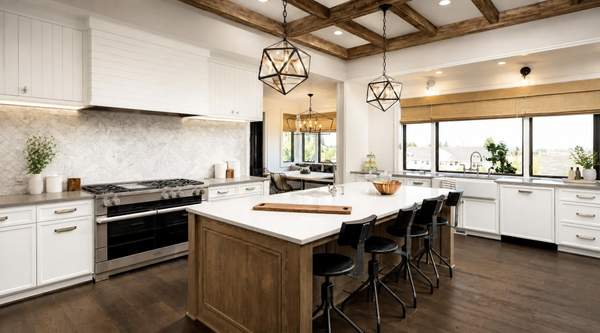
By 2025, a refined, design-forward rustic aesthetic will be a standard, as interior design actively shapes future comfort definitions, according to TheCoolist. This blend of comfort and elegance moves beyond singular definitions. Aesthetic sophistication now integrates with coziness, not opposes it. This marks a departure from purely utilitarian rustic forms.
Homeowners who cling to simple, unadorned rustic styles risk outdated spaces. The definition of 'cozy' now links to curated sophistication, according to TheCoolist's 2025 projections. This establishes a new baseline for modern comfort and style. The emphasis shifts from raw authenticity to considered presentation. The implication is that comfort itself is becoming a design statement, not just a feeling.
Why Rustic is Getting a Makeover
Modern rustic design evolves from a cultural movement favoring elevated experiences and personalized luxury. Consumers seek unique comfort, moving from mass-produced uniformity. This preference for bespoke elements redefines rustic appeal.
The design industry pushes a more complex aesthetic, potentially creating a new barrier for those seeking effortless comfort. This suggests a maturation of consumer taste towards nuanced design. The implication is that 'comfort' is now a curated experience, not an inherent state.