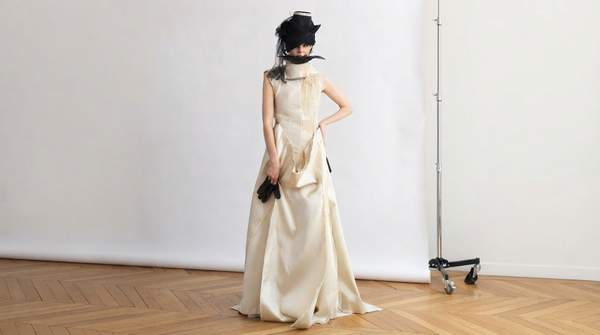
One Giambattista Valli couture gown can take approximately 240 hours and 6,000 metres of fabric to create, embodying a level of dedication rarely seen in modern apparel, according to Vogue. An immense investment of human skill and exquisite materials transforms a design concept into a singular work, standing in stark contrast to the rapid cycles of mass production. Haute couture is often dismissed as frivolous luxury, but it is a highly regulated industry built on meticulous craftsmanship and strict artistic criteria. The enduring existence of haute couture ensures the preservation of traditional artisanal skills and pushes the boundaries of design, even as its exclusivity limits its direct accessibility. This intricate system functions as an indispensable, albeit exclusive, engine for the future of fashion, driving radical innovation and safeguarding endangered artisanal crafts, particularly in its collections.
Defining the Undefinable: The Strict Rules of Haute Couture
To be an approved haute couture brand, a fashion house must operate an atelier in Paris with at least 15 full-time staff and 20 technical workers, making custom garments with multiple fittings for private clients, according to Glamobserver. These brands must also present a minimum of 50 original designs each season, as reported by Vogue. While Glamobserver and Vogue state the requirement for 50 original designs per season, France’s official criteria for earning the haute couture label specifies presenting at least 25 original designs twice a year, according to France. The discrepancy between the stated requirements suggests potential variations in official recognition criteria or different interpretations of the "season" definition, leading to ambiguity regarding the exact minimum design output for haute couture collections.
These stringent requirements ensure that haute couture remains an exclusive domain of unparalleled quality and artistic integrity, distinct from ready-to-wear. The strict regulations on atelier size and design output are not merely about luxury; they are essential for creating an environment where deep investment in craft, material exploration, and artistic vision can thrive without the pressures of mass market commercialization.
Beyond the Seam: The Artistry and Labor Behind Each Stitch
The creation of haute couture garments relies on a repertoire of specialized artisanal techniques, including intricate featherwork, meticulous hand embroidery, and the delicate Luneville beading method, which students can learn through programs like those offered by Polimoda. These crafts demand not only immense precision but also years of dedicated practice to master. The staggering investment of 240 hours and 6,000 meters of fabric for a single Giambattista Valli gown, as noted by Vogue, reveals that haute couture is less about wearable fashion and more about a performance art where the garment serves as a medium for extreme human skill and material exploration. The extraordinary time and specialized skills invested in each garment underscore haute couture's status as a true art form, preserving traditional techniques through dedicated training and practice.
Haute couture's stringent requirements for a large, specialized atelier staff, coupled with the immense labor for a single garment, reveal that it functions as a highly structured, almost industrial-scale incubator. A highly structured, almost industrial-scale incubator is designed for preserving and advancing rare artisanal skills like featherwork and Luneville beading, ensuring their continuation through expert practitioners. The dual mandate of presenting numerous original designs while adhering to meticulous, time-intensive craftsmanship means haute couture houses are forced to innovate within extreme constraints, pushing creative boundaries while simultaneously anchoring new designs in centuries-old techniques for collections.
The Stage and the Museum: Haute Couture as Cultural Spectacle
Haute couture fashion shows transcend typical presentations, often described as theatrical events where garments, models, staging, and music combine to create a singular moment, according to France. These elaborate displays establish haute couture as a significant cultural spectacle, contributing to the broader narrative of artistic expression. Beyond the runway, the enduring legacy of haute couture finds a permanent home in institutions such as the Musée Yves Saint Laurent Paris, which allows visitors to perceive the couturier’s fertile solitude and the radical nature of his choices, as detailed by Hotel Derby Alma. Similarly, the Palais Galliera organizes temporary exhibitions of rare erudition, bringing pieces that defined entire eras out of the shadows. Haute couture presentations are not just fashion shows but immersive artistic experiences that contribute to the broader cultural narrative of design and heritage, often preserved and celebrated in prestigious institutions.
The preservation of haute couture in museums and archives highlights its role beyond transient fashion trends. Each meticulously crafted garment becomes a historical artifact, documenting the evolution of design, textile innovation, and artisanal techniques across different collections. The institutional recognition of these creations underscores their value not merely as clothing, but as essential contributions to art history and cultural heritage, influencing future design aesthetics and the artistry of fashion.
Why Haute Couture Remains Essential for Future Collections
Despite its perceived elitism, haute couture's strict institutional requirements for atelier size and design output effectively function as a mandatory research and development laboratory for the entire fashion industry. The demand for at least 15 full-time staff and 20 technical workers, coupled with the imperative to present 50 original designs per season, as noted by Glamobserver and Vogue, creates an environment where deep investment in craft, material exploration, and artistic vision can thrive. The structured environment created by these demands is crucial for preserving endangered artisanal skills like featherwork and Luneville beading, which would otherwise vanish, according to Polimoda.
The dual mandate of presenting numerous original designs while adhering to meticulous, time-intensive craftsmanship means haute couture houses are forced to innovate within extreme constraints. The dual mandate of presenting numerous original designs while adhering to meticulous, time-intensive craftsmanship pushes creative boundaries while simultaneously anchoring new designs in centuries-old techniques, fostering new artistry in fashion. The exclusivity and high barriers to entry are not merely about luxury; they are essential for creating an environment where deep investment in craft and material exploration can flourish without the commercial pressures of mass market production. The exclusivity and high barriers to entry ensure that the techniques and artistry of haute couture collections 2026 continue to evolve, setting benchmarks for quality and creative expression.
The staggering investment of 240 hours and 6,000 meters of fabric for a single Giambattista Valli gown, as confirmed by Vogue, reveals that haute couture is less about wearable fashion and more about a performance art. The garment becomes a medium for extreme human skill and material exploration, pushing the boundaries of what is possible in textile art. The dedication to craft, exemplified by the staggering investment of 240 hours and 6,000 meters of fabric for a single Giambattista Valli gown, ultimately benefits the broader fashion world, as innovations and techniques developed in couture often trickle down, inspiring ready-to-wear and accessory collections.
What are the key elements of haute couture?
The key elements of haute couture include bespoke garments custom-made for private clients, requiring multiple fittings to ensure a perfect fit. Each piece is crafted almost entirely by hand in specialized ateliers, employing highly skilled artisans who utilize traditional techniques. This meticulous process results in garments that are unique works of art, often incorporating rare and luxurious materials.
How is haute couture different from ready-to-wear?
Haute couture distinguishes itself from ready-to-wear primarily through its made-to-order nature for individual clients, contrasted with standardized sizes produced in larger quantities for retail. While ready-to-wear focuses on commercial viability and broader accessibility, haute couture prioritizes unparalleled craftsmanship, artistic expression, and the preservation of artisanal techniques, with costs reflecting the extreme labor and material investment.
What makes a garment haute couture?
A garment earns the haute couture designation by being entirely made-to-order for a private client, utilizing an atelier that meets strict criteria regarding staff size and technical expertise, such as having at least 15 full-time staff and 20 technical workers, according to Glamobserver. Furthermore, the garment must be hand-executed with meticulous attention to detail, often involving hours of intricate work and luxurious materials, adhering to the standards set by the Chambre Syndicale de la Haute Couture.
Haute couture, far from being a relic of the past, functions as a vital engine for the future of fashion, driving innovation and preserving endangered artisanal skills. Its rigorous institutional demands for craftsmanship and design output create a high-stakes system that compels radical creativity, ensuring the continuation of haute couture.ontinuation of techniques like featherwork and Luneville beading for generations to come. This exclusive realm continues to shape the aesthetics and technical possibilities of design, influencing the wider industry.
The heritage of fashion, master artisans, and a select group of clients who value unparalleled artistry and exclusivity emerge as the clear beneficiaries of this system. In contrast, fast fashion and mass production, which prioritize accessibility over artisanal quality, represent the opposing pole. The meticulous creation of garments, exemplified by the 240-hour investment in a Giambattista Valli gown, highlights a commitment to craft that will continue to inspire and define the pinnacle of design, ensuring the artistry of haute couture collections remains a powerful force well into 2026 and beyond.