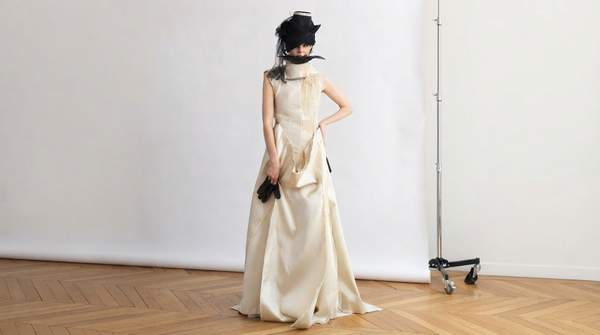
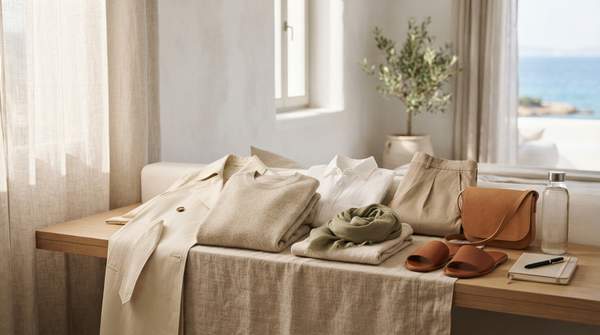
In the 18th century, European aristocrats updated their wardrobes twice a year, a stark contrast to today's fast fashion brands, which introduce thousands of new styles weekly, according to Historical Fashion Texts. A fundamental move from necessity and craft to hyper-consumption, overwhelming consumers with endless options, marks this shift.
Fashion collections were once a measured response to seasonal changes and social events. Now, they are a relentless, often wasteful, cycle of novelty driven by commercial pressure. Before the 19th century, clothing changes were dictated by practical needs like weather and materials, not 'seasonal trends,' notes Textile History Review.
The current pace of collection releases is unsustainable for both the planet and creative integrity. Brands must slow down or face increasing consumer and regulatory backlash. The average consumer bought 60% more clothing in 2014 than in 2000, yet kept each garment for half as long, according to McKinsey & Company. The data reveals a consumer base conditioned for disposability.
From Royal Courts to Worth's Creations: The Genesis of 'Collections'
The concept of 'fashion seasons' emerged from practical needs, helping tailors manage production for upcoming weather, as detailed in the Costume Society Journal. Early trends were dictated by royal courts, disseminating slowly through society via dolls or illustrations, explains the Victoria & Albert Museum. The slow, top-down influence meant fashion was less about rapid change and more about established social order.
Charles Frederick Worth established haute couture in the mid-19th century, dictating styles rather than merely executing client requests, according to the Fashion History Museum. The term 'collection' gained prominence as designers like Worth presented curated ensembles to clients, as cited by Vogue Archives. A pivotal shift was marked: fashion became an artistic statement, moving beyond mere utility to a designer's vision, setting the stage for structured seasonal presentations.
The Formalization of Fashion: Paris, Prêt-à-Porter, and the Expanding Calendar
Paris solidified its role as fashion's capital in the early 20th century, formalizing the twice-yearly Spring/Summer and Autumn/Winter show schedule, notes the Council of Fashion Designers of America. The Chambre Syndicale de la Haute Couture, established in 1868, protected Parisian couture houses and formalized collection rules, according to the French Ministry of Culture. The institutionalization cemented a structured, exclusive approach to fashion presentation.
Ready-to-wear, or prêt-à-porter, democratized fashion in the mid-20th century, making designer styles accessible beyond haute couture clients, explains Smithsonian Magazine. By the 1970s, the calendar expanded to include 'resort' and 'pre-fall' collections, filling gaps between major shows, reports WWD. Global fashion weeks in New York, London, Milan, and Paris further solidified this seasonal model, according to Fashion Week History. The relentless expansion, driven by commercial ambition, stretched the creative and logistical limits of the industry.
The Digital Disruption: Fast Fashion and the 'See Now, Buy Now' Era
Fast fashion retailers, emerging in the late 20th century, drastically accelerated production cycles, moving from design to store in weeks, not months, as seen in Zara Annual Report. Digital media and social influencers further blurred seasonal boundaries, with micro-trends emerging and fading rapidly online, according to Business of Fashion. An insatiable demand for novelty was created, far outpacing traditional schedules.
The traditional fashion calendar, with its long lead times, is now out of sync with consumer expectations for instant gratification, details a Deloitte Fashion Report. Some luxury brands have experimented with 'see now, buy now' models, making runway collections immediately available to consumers, as highlighted by a Burberry Press Release. The digital age has forced even luxury houses to adapt to an 'always-on' consumer demand, fundamentally reshaping how collections are conceived and delivered.
Beyond the Runway: The Environmental and Human Cost of Constant Newness
Fashion production accounts for 10% of global carbon emissions, surpassing all international flights and maritime shipping combined, states the UN Environment Programme. Textile waste has dramatically increased, with 85% of all textiles ending up in landfills each year, much of it from discarded fast fashion, reports the EPA. The relentless churn of new collections exacts an undeniable environmental toll, demanding urgent re-evaluation.
The constant pressure to innovate and produce new collections leads to significant creative burnout among designers. Consumers, too, feel compelled to update wardrobes constantly to keep pace with rapidly changing trends, fostering overconsumption. The pursuit of novelty extends far beyond aesthetics, impacting designer well-being and consumer habits, creating a cycle of dissatisfaction and waste.
Common Questions: Understanding Today's Fashion Landscape
How large is the global fashion industry?
The global fashion industry is projected to reach $2.25 trillion by 2025, driven by increasing consumption volumes, according to Statista. This immense commercial scale fuels the relentless production of new clothing.
What is the water footprint of common clothing items?
Producing a single cotton t-shirt can require up to 2,700 liters of water, a significant environmental cost, as reported by the WWF. Such intensive resource demands are embedded in everyday garments.
What alternatives exist to the fast fashion consumption model?
The 'capsule wardrobe' concept, introduced by Susie Faux in Wardrobe Magazine in the 1970s, advocates for a minimal collection of versatile clothing items. Brands like Patagonia also promote repairing clothes and buying less, directly challenging the prevailing cycle of constant new collections.
The Future of Fashion: A Call for Re-evaluation
The COVID-19 pandemic forced many designers to rethink the traditional fashion calendar, with some opting for fewer, more seasonless collections, as reported by the NYT Fashion Section. The period of reflection underscored how far fashion had strayed from its practical origins, where bespoke clothing gave way to mass production and standardized collections.
The original purpose of seasonal collections, rooted in practicality and exclusivity, stands in stark contrast to today's mass-market, rapid-fire releases. The historical journey reveals a system pushed to its limits. By 2026, many luxury houses, following examples set during the pandemic, may solidify commitments to fewer, more seasonless collections, potentially shifting industry standards.