Art curation principles are transforming luxury fashion retail, turning boutiques into galleries and collections into meticulously sequenced narratives. This shift re-evaluates how brands communicate identity, inviting consumers into a world where clothing and art engage in dialogue. The discerning eye of the curator orchestrates this dissolution of the line between commercial transaction and cultural immersion.
Luxury brands are evolving traditional boutiques into dynamic, experiential spaces, applying curation—a discipline long associated with museums and galleries—to fashion. By integrating carefully selected artworks and adopting a curatorial approach to collections, brands craft richer stories. This synergy articulates core values, showcases craftsmanship, and creates an atmosphere that transcends commerce, offering a personal, intellectually stimulating encounter with the brand's universe.
What Are the Core Principles of Art Curation?
Art curation selects, organizes, and presents objects and artworks to communicate a specific theme, narrative, or perspective. This sophisticated practice marries intellectual rigor with aesthetic sensitivity. A curator, acting as a storyteller, weaves disparate elements into a cohesive whole, guiding viewer experience and interpretation. The process, "part art and part science," requires both intuitive visual understanding and methodical research and conceptual development.
A curator edits a visual anthology. They do not create individual works, but their selection and sequencing imbue the collection with meaning and impact. These foundational principles are now being translated into the world of luxury fashion:
- Conceptual Framework: Every curated exhibition begins with a central idea or thesis. This guiding concept informs every decision, from which pieces are included to how they are positioned in relation to one another. In fashion, this could be a collection's thematic inspiration or a retail space designed to evoke a specific historical period or artistic movement.
- Selection and Acquisition: The curator meticulously chooses objects that align with the conceptual framework. This is a process of discernment, demanding a deep knowledge of the subject matter and a keen eye for quality and relevance. For a luxury brand, this extends to selecting artists for collaboration whose work resonates with the house's design ethos.
- Spatial Arrangement and Juxtaposition: The physical or digital placement of objects is critical. A curator considers sightlines, flow, and the relationship between adjacent pieces to create a deliberate rhythm and pace. The dialogue created between a sculpture and a handbag, or a video installation and a mannequin, can generate new layers of meaning.
- Context and Interpretation: Curation provides context that enriches the viewer's understanding. This can be achieved through wall text, catalogues, or digital guides in a gallery setting. In a retail environment, it is conveyed through the overall store design, the integration of art, and the narrative presented by brand ambassadors, immersing the customer in the house's aesthetic sentiments.
How Art Curation Influences Luxury Fashion Collections
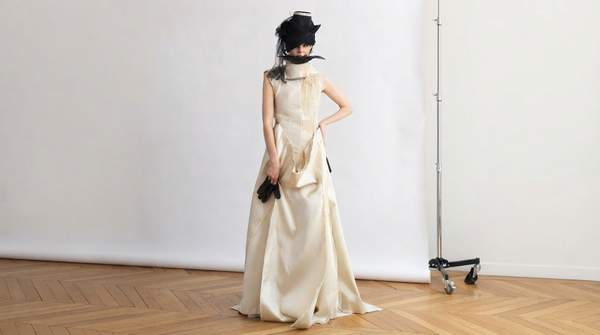
Curation principles fundamentally shape fashion collection creation and presentation. Developing a runway show or editorial spread has become a masterclass in curatorial practice, with garments, accessories, and models selected and arranged to articulate a powerful, unified vision. This approach moves beyond simple styling, becoming visual storytelling where each element is a carefully chosen word in a larger narrative.
A striking example of this philosophy can be found in 'The Book', an image-first publication by Matthew Egorov. According to a report in Forbes, the publication was created to showcase current artistic culture through a discerningly curated lens of fashion and beauty. The process for 'The Book' reportedly involves months of storyboarding and workshopping concepts, with Egorov making the final selections to ensure the "aesthetic storyline integrity" of the final product. This meticulous method mirrors that of a museum curator building an exhibition. The publication even utilizes 3D/CG technology to build virtual worlds, granting the creative team complete control over the visual environment and reinforcing the curated narrative. This level of control ensures every image serves the overarching theme, capturing what Egorov describes as "a moment in culture" with a focus on "the highest level of design and craftsmanship."
On the runway, creative directors assemble looks that build upon one another, telling a story over a 15-minute show. Fabric selection, silhouette progression, and texture juxtaposition are all curatorial decisions. Each model, a moving sculpture, follows a carefully choreographed sequence designed to evoke a specific mood and communicate the collection's central thesis. The result: an experience less like a product showcase, more like a performance art piece—a temporary exhibition with its own distinct narrative arc.
Enhancing Luxury Retail Experiences Through Art Curation
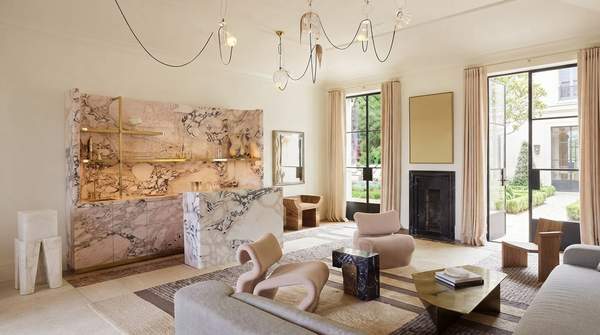
The most visible application of art curation principles transforms luxury retail environments. Brands increasingly blur lines between commerce and culture, converting boutiques into hybrid spaces: stores and contemporary art galleries. This strategy moves beyond decorative sculptures, involving deep, thematic art integration that reflects and amplifies brand identity, creating an immersive world for clients.
Maison Margiela has emerged as a leader in this domain. As detailed by The Impression, the brand's Soho boutique in New York evolved from a pop-up into a permanent establishment designed to foster "non-arbitrary conversations between the voices of the artists and the visual identity of the house." Under the creative direction of John Galliano, the house has collaborated with numerous artists to create installations that are in direct dialogue with Margiela's design codes. For instance, video artist Marco Brambilla’s work 'Nude Descending a Staircase No. 3' was installed across 11 TV monitors, transforming a modernist painting into a dynamic 3D panorama. The brand also worked with artists like Jessi Reaves and Tabor Robak, whose pieces often reflect the house's own deconstructivist and avant-garde approach to design.
Careful curation turns shopping into an exploration; art is integral to the experience, offering another lens to understand clothing. When curated to reflect a brand's core values, art becomes powerful storytelling, as a LinkedIn analysis notes. It enriches customer visits, encouraging lingering, contemplation, and deeper intellectual connection. This approach recognizes the modern luxury consumer as a collector with an appreciation for art and design beyond their wardrobe.
Why This Synergy Matters
The synergy between art curation and luxury fashion represents a sophisticated evolution in brand communication and consumer engagement. In a crowded marketplace, this curatorial approach allows brands to build a world around their products, rich with cultural capital and intellectual depth, establishing a strong identity. It elevates fashion from a transactional good to an artifact of a larger cultural narrative, reframing the boutique as a site of discovery. As Sotheby's Institute of Art observed, luxury and art are actively rewriting industry boundaries.
For consumers, this shift offers meaningful, memorable interaction. A thoughtfully curated space provides an experience unreplicated online—an invitation to participate in the brand's world, seeing clothing as part of a broader aesthetic vision. This aligns with luxury clientele's changing desires, prioritizing experiences and storytelling over ownership. Engaging customers artistically and intellectually fosters community and loyalty built on shared values and appreciation for beauty and craftsmanship. This art integration defines the new exclusivity: access to a unique cultural experience.
Frequently Asked Questions
What does a fashion curator do?
A fashion curator is a specialist who conceives, researches, and organizes fashion exhibitions for museums, galleries, or brand archives. Their work involves selecting garments and related objects, developing a narrative or theme for the exhibition, writing interpretive texts, and designing the layout of the display. Academic programs, such as the one offered at Parsons School of Design, and publications like 'Fashion Curating: Critical Practice in the Museum and Beyond', highlight the growing importance and complexity of this specialized field.
Why do luxury brands collaborate with artists?
Artistic collaborations allow luxury brands to define their identity, offer unique customer experiences, and build cultural credibility. These partnerships express brand values and aesthetic sensibilities beyond product lines, generating excitement and reinforcing a commitment to creativity and innovation. This connection fosters deeper, more emotional engagement with consumers.
What is the difference between merchandising and curation in a retail store?
While both involve the arrangement of products, their goals are different. Visual merchandising is primarily a commercial practice focused on optimizing product presentation to drive sales, focusing on factors like traffic flow, product density, and promotional visibility. Curation, by contrast, is a narrative-driven practice focused on creating an experience and telling a story. It prioritizes atmosphere, theme, and intellectual engagement, with the goal of building a stronger brand world, where sales are a byproduct of a successful immersive experience.
The Bottom Line
The application of art curation principles to luxury fashion is far more than a decorative strategy; it is a fundamental shift in how brands conceive of their collections and retail spaces. By adopting the discerning eye of a curator, fashion houses are transforming themselves into cultural platforms, offering experiences that are as intellectually engaging as they are aesthetically pleasing. This fusion of art and commerce creates a richer, more resonant dialogue with the consumer, ensuring that the story behind the style is as compelling as the garment itself.