Milan Design Week 2026 Showcases Sustainable Innovations and Art

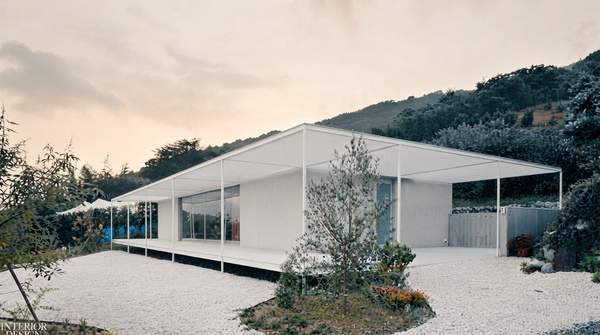
In a surprising move, Milan Design Week 2026 will transform the Convey Building, a 1958 Modernist apartment structure, into a central hub for various brands and events.

LB
Luca Bianchi

April 15, 2026 · 5 min read

The Convey Building, a 1958 Modernist apartment structure, transformed into a hub for Milan Design Week 2026, showcasing sustainable innovations and art.

In a surprising move, Milan Design Week 2026 will transform the Convey Building, a 1958 Modernist apartment structure, into a central hub for various brands and events. A radical departure from conventional exhibition spaces signals a profound shift in how design is presented across the city. It compels attendees to engage with design in deeply personal and unexpected urban contexts, blurring lines between public display and private living spaces. A bold embrace of urban decentralization represents a significant change from the event's historical focus on centralized fairgrounds.

Milan Design Week is known for its established fairgrounds and product launches, but 2026 is seeing a significant push towards immersive installations and sustainable innovations in unconventional, peripheral venues. A tension is created between the event's historical format and its evolving, decentralized nature. Traditional showcases risk being overshadowed by the sheer experiential scale now demanded by a design-conscious audience.

Milan Design Week 2026 is transforming from a trade show into a city-wide experiential festival, making it more accessible and relevant to a broader audience, but potentially overwhelming for those expecting a traditional format. The shift forces even established brands to embed their offerings within city-wide, immersive narratives, risking irrelevance for those clinging to static product showcases. Brands failing to adapt will struggle to capture attention amidst the city's dynamic, open-air gallery.

The Core Event and its Expanding Reach

The Salone Internazionale del Mobile 2026 will take place from April 21st to 26th, 2026, according to salonemilano. The established event continues to serve as a central anchor, yet Milan Design Week 2026 is actively expanding its footprint across the city, challenging the traditional fairground-centric model.

  • The Convey Building, a 1958 Modernist apartment building, will host brands, events, and activations, as reported by Wallpaper*.
  • H&M Home is debuting at Design Week in collaboration with Kelly Wearstler at the 17th-century Palazzo Acerbi, according to Wallpaper*.

By transforming a 1958 Modernist apartment building into a hub for brands and events, Milan Design Week is not just decentralizing; it's actively blurring the lines between public exhibition and private living. Attendees are compelled to engage with design in deeply personal and unexpected urban contexts, a radical departure from conventional exhibition spaces. The move signals a bold embrace of urban decentralization, turning residential architecture into a vibrant showcase.


The strategic deployment of brands like H&M Home in a 17th-century Palazzo and other major activations in a 1958 Modernist apartment building signifies that the entire city, rather than just the fairgrounds, has become the primary stage for brand storytelling and experiential engagement. Focus shifts from product display to curated environments, where the context of the exhibition is as crucial as the design itself. Milan Design Week is actively decentralizing, transforming the entire city into a dynamic exhibition space rather than confining itself to traditional fairgrounds.

Milan Design Week 2026 is signaling a definitive end to the era of passive product viewing; brands failing to embed their offerings within city-wide, immersive narratives, as seen with H&M Home's Palazzo Acerbi debut, risk being overshadowed by the sheer experiential scale of the event. The dual identity, balancing traditional fairgrounds with dispersed urban experiences, defines the current evolution of the design week.

Immersive Experiences and Artistic Interventions

Oscar Lucien Ono's 'Aurea, an Architectural Fiction' exhibition will transform the walkway between Pavilions 13 and 15 into an imaginary multiroom hotel, according to Business of Home. The large-scale installation exemplifies the trend towards conceptual and immersive art experiences within the traditional fairgrounds. Such a project reimagines the function of exhibition spaces, turning transit areas into destinations for sensory engagement and narrative exploration.

JR presents an Inside Out project intervention at Piscina Cozzi, transforming the building's façade into a large-scale photographic installation, as reported by ArchDaily. The public art intervention directly engages with Milan's urban fabric, drawing visitors into unique city spaces beyond conventional design districts. Design week activations extend to the city's landmarks, creating unexpected points of interaction and visual impact.

Marni has collaborated with Pasticceria Cucchi for a three-month takeover of the space, featuring design by RedDuo Studio, according to Dezeen. The collaboration demonstrates the fusion of design with everyday life and local culture, extending the design week's influence beyond its official dates and venues. Such partnerships embed design directly into the social and culinary landscape of Milan.

Milan Design Week is increasingly characterized by large-scale, experiential, and artistic installations that blur the lines between art and design. Design is increasingly presented as an immersive narrative and artistic statement, moving beyond mere product display to engage visitors on a deeper, experiential level. The approach positions the city itself as a dynamic, open-air gallery, where every corner can host a significant creative expression.

The main fairgrounds are not obsolete but are evolving into anchors for large-scale, conceptual, and immersive art installations, such as Oscar Lucien Ono's multiroom hotel, rather than solely housing traditional product booths. The strategic shift ensures the fairgrounds remain relevant by hosting ambitious projects that require vast spaces, complementing the decentralized, smaller-scale activations throughout the city. Experiential design, therefore, emerges as a clear winner in this evolving format.

Sustainability, Material Innovation, and Global Dialogue

Innovations at Milan Design Week 2026 include mycelium tiles from Mush Composites, materials grown from acidic sulphate soil by INDIN STUDIO, and fire-retardant art tiles from WASOO made from agricultural residues, according to Dezeen. The developments signal a strong, sustained focus on ecological responsibility within design, moving beyond mere declarations to tangible applications. The new materials offer both functional and aesthetic possibilities, pushing the boundaries of what is considered sustainable design.

Sustainable innovations, such as mycelium tiles and materials from acidic sulphate soil, are no longer merely product features but are being integrated as aesthetic and experiential components within immersive installations. Ecological responsibility is now a core design language, deeply embedded in the creative process and presentation. A commitment to environmental stewardship is a fundamental aspect of contemporary design.

S-3 is launching a new platform at this year's design week to connect East Asian design to global ideas, with its first initiative being an exhibition titled Chopsticks, according to Dezeen. The initiative underscores a commitment to fostering broader international design conversations, seeking to diversify the voices and perspectives showcased at the event. It aims to bridge geographical and cultural gaps, bringing new design philosophies to a global audience.

Issey Miyake is also showcasing an installation called The Paper Log: Shell and Core, featuring furniture prototypes reworked from compressed rolls of pleated paper, according to Dezeen. The installation demonstrates how ecological responsibility is becoming a core design language, extending to innovative reuse of materials and challenging conventional manufacturing processes. Such projects highlight creativity born from constraint and a respect for resources.

The design industry is prioritizing environmental responsibility and global inclusivity, pushing boundaries in material science and cultural exchange. The proliferation of sustainable material innovations integrated into experiential installations indicates that design leadership now demands not just aesthetic appeal but a tangible commitment to ecological responsibility, making sustainability a core component of brand identity rather than an add-on. Emerging global design voices and sustainable material innovators are clear winners in this evolving landscape.