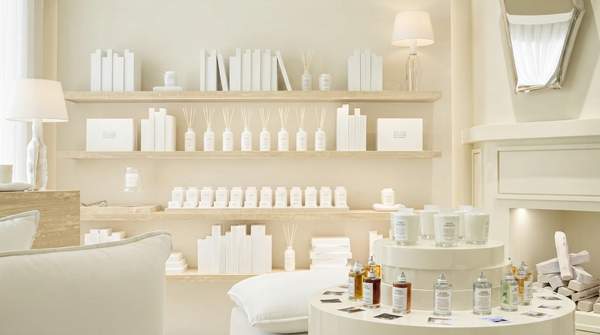
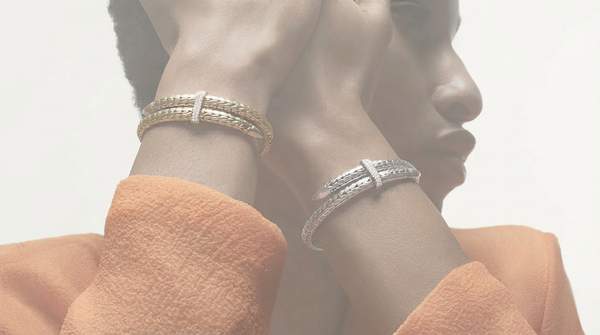
After the first episode of 'Succession' aired, Google searches for 'quiet luxury' surged by 684 percent, 'stealth wealth' by 990 percent, and 'old money style' by 874 percent, according to WWD. This dramatic increase in public inquiry signals a profound shift in how consumers, particularly in the current market, are beginning to perceive affluence and status. The phenomenon underscores a growing fascination with an aesthetic that prioritizes discretion over ostentation, leading many to question exactly what is quiet luxury and its defining characteristics.
While the market is often driven by visible branding and rapid consumption, a significant and growing consumer segment is actively seeking out products defined by their understated quality and longevity. This tension between overt display and subtle value is reshaping expectations within the luxury sector, creating new demands for authenticity and enduring design.
Based on the increasing market projections and evolving consumer definitions, the luxury market appears poised for a sustained shift towards intrinsic value and discreet sophistication, challenging traditional marketing approaches. This recalibration suggests that traditional luxury brands must fundamentally rethink their overt branding strategies or risk losing market share to understated, quality-focused competitors.
Defining the Undefined: What is Quiet Luxury?
Quiet luxury is not merely an aesthetic; it represents a philosophy centered on intrinsic value and personal discernment. Karolina Zmarlak, creative director of KZ_K Studio, defines quiet luxury as embodying a woman who has developed a personal style rooted in her own confidence, leading her to seek investment pieces that are timeless and crafted from high-quality materials, as reported by WWD. This perspective highlights a move away from external validation towards an internal sense of style and worth.
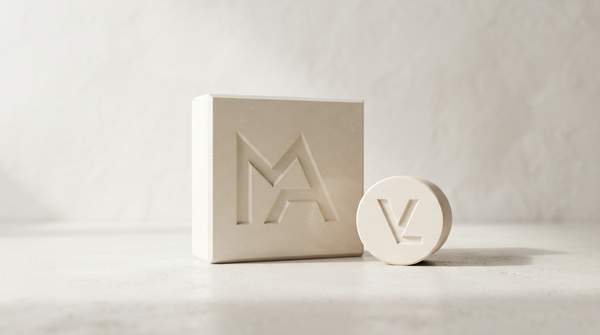
Venk Modur further clarifies that for items to align with the quiet luxury movement, they must feature timeless designs, be constructed from 'the finest quality fabrics,' and notably, lack visible logos, according to WWD. This absence of overt branding is a deliberate choice, allowing the quality of materials and the integrity of design to speak for themselves. The emphasis shifts from brand recognition to the tactile experience and lasting utility of the product.
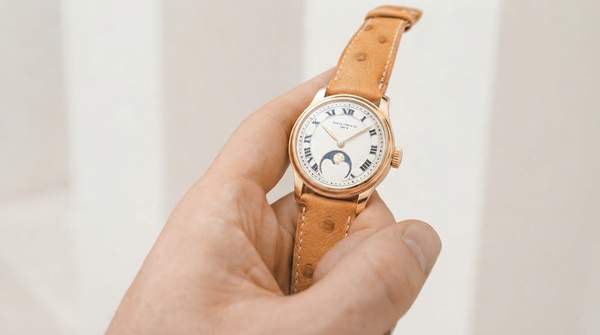
Ultimately, quiet luxury is fundamentally about intrinsic value, personal confidence, and discerning taste, rather than external validation through overt branding. It champions a considered approach to consumption, where an item's longevity and craftsmanship are paramount. Consumers embracing this style prioritize meticulous construction and premium materials, recognizing that true luxury resides in enduring quality rather than fleeting trends or prominent labels.
The Economic Imperative: Investing in Longevity and Value
The silent luxury goods market is projected for substantial expansion, growing from USD 147.52 billion in 2025 to USD 278.13 billion by 2034, demonstrating a Compound Annual Growth Rate (CAGR) of 7.3% during this period, according to Polaris Market Research. The significant forecast for the silent luxury goods market underscores the economic momentum behind the quiet luxury movement, signaling a lasting shift in consumer investment patterns.
This economic perspective redefines 'rational' spending within the luxury sector. For instance, an €800 coat worn for fifteen years is considered more rational than a €200 coat replaced every two years, aligning with quiet luxury's emphasis on longevity and thoughtful consumption, according to Bradic. This reframing positions luxury as a calculated, long-term investment rather than an impulsive emotional splurge, challenging conventional notions of value and expense.
The substantial projected growth confirms that quiet luxury is a robust economic force driven by a consumer preference for durable, thoughtful investments over disposable trends. Traditional luxury brands that fail to de-emphasize overt branding and prioritize discreet quality risk being outmaneuvered by agile competitors already catering to this burgeoning segment. This market evolution demands a strategic pivot towards craftsmanship, material integrity, and timeless design to secure future market share.
Craft Over Label: The Materiality of Discreet Elegance
Discreet elegance in quiet luxury is often exemplified through the meticulous selection of materials and understated design. The Polène Numéro Dix bag, for example, is crafted from full-grain Italian calfskin leather and is priced between ~$580–$760, according to Parisa Wang. Its appeal lies in its tactile quality and refined silhouette, rather than any prominent branding.
Similarly, the Parisa Wang Gabrielle East–West bag, available between ~$458–$498, and the Strathberry Mini Tote, priced between ~$525–$995, also prioritize material excellence and subtle design, according to Parisa Wang. Polène, Parisa Wang, and Strathberry bags demonstrate that luxury can be conveyed through the inherent quality and thoughtful construction of a product, making a statement through its presence rather than its label. Such brands offer a tangible representation of value, appealing to consumers who seek authenticity and lasting utility.
These examples showcase how mid-tier luxury brands embody quiet luxury through premium materials and accessible pricing, prioritizing product quality and design over overt branding. They illustrate a market where consumers are increasingly willing to invest in items that offer a blend of sophisticated design, superior craftsmanship, and enduring appeal, moving beyond the superficiality of logo-driven status symbols. This focus on materiality and intrinsic worth strengthens the argument that quiet luxury is a fundamental recalibration of affluent consumer values.
Beyond Aesthetics: Cultural Nuance and Future Innovations
The interpretation of quiet luxury varies significantly across global cultures, highlighting its nuanced adoption. The association of minimalism with wealth is largely seen as an American perspective, while other cultures frequently link wealth with bright, bold colors, according to WWD. This tension reveals that while the 'silent luxury goods market' is projected for global growth by Polaris Market Research, its aesthetic manifestations may differ, encompassing a broader spectrum of understated expressions beyond strictly minimalist design.
Technological integration also plays a role in the evolving landscape of discreet luxury, particularly in high-end jewelry, according to Polaris Market Research. This innovation allows for verifiable authenticity and traceability without compromising the item's understated aesthetic, subtly enhancing value and trust for discerning buyers.
Quiet luxury, while gaining global traction, must navigate diverse cultural interpretations of wealth and status, potentially integrating subtle technological innovations to verify authenticity and value without compromising discretion. The global market for 'quiet luxury' may encompass diverse aesthetic interpretations beyond American minimalism, or the term itself is being applied broadly to different cultural expressions of understated wealth. This adaptability underscores its potential for sustained relevance across different consumer bases.
What are the key characteristics of quiet luxury?
Quiet luxury is defined by understated design, superior craftsmanship, and sustainable practices. It also often involves bespoke services or limited production runs, emphasizing exclusivity through quality rather than overt branding. The value lies in durability, the meticulous attention to detail, and the personal satisfaction derived from owning a meticulously made item.
How has quiet luxury evolved in recent years?
Initially a niche preference for established wealth, quiet luxury has gained wider recognition, particularly in the mid-2020s, due to media exposure and a global shift in consumer priorities towards conscious consumption. This evolution includes a growing emphasis on traceability and ethical sourcing, moving beyond mere aesthetics to encompass a brand's entire operational philosophy.
What brands embody the quiet luxury aesthetic in 2026?
Beyond brands like Polène, Parisa Wang, and Strathberry, other notable examples include Loro Piana, known for its exceptional cashmere and wool, and Brunello Cucinelli, which emphasizes ethical production and timeless Italian craftsmanship. These brands prioritize subtle design, premium natural fibers, and a commitment to longevity over fleeting trends, appealing to a discerning clientele.
The surge in Google searches for 'quiet luxury' after 'Succession' indicates that cultural phenomena can rapidly reshape consumer perception of luxury, creating an immediate demand for products that embody discreet wealth over overt branding, forcing brands to be highly responsive to evolving cultural narratives. The surge in Google searches for 'quiet luxury' after 'Succession' has propelled an existing consumer desire for timeless, high-quality investment pieces into a mainstream market force, projected to grow to $278.13 billion by 2034, according to Polaris Market Research.
The shift towards viewing an €800 coat worn for fifteen years as more rational than a €200 coat replaced every two years suggests that consumers are increasingly valuing longevity and sustainability in luxury purchases, pushing brands to emphasize craftsmanship and durability as core selling points. This perspective redefines luxury from an emotional splurge to a calculated, long-term investment. By 2026, traditional luxury brands that fail to adapt their overt branding strategies and prioritize discreet quality risk being outmaneuvered by agile competitors already catering to this burgeoning segment, as the market continues its profound recalibration towards intrinsic value.