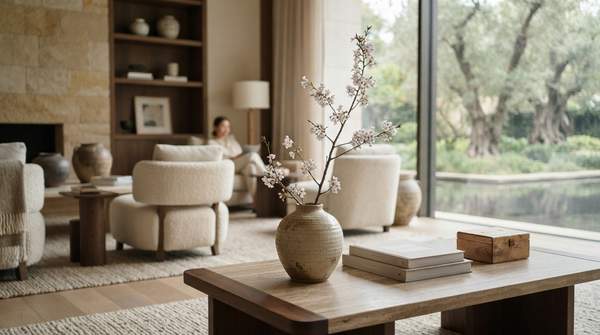
The experience of luxury fashion brands in-store dining experiences pop-ups and other hospitality ventures marks a quiet but deliberate evolution in retail. Not long ago, the pinnacle of a brand interaction was centered almost exclusively on the product: the weight of a leather handbag, the drape of a silk scarf, the precision of a watch. The boutique was a temple to the object. Today, that experience is expanding. The scent of an espresso, the taste of a petit four, the ambiance of a curated dining room—these sensory details are increasingly becoming part of the brand lexicon.
The Rise of Experiential Dining in Luxury Retail
The traditional model of luxury retail, focused on the transaction within a boutique's four walls, is being augmented by a more immersive approach. According to a report from Image.ie, luxury fashion houses are increasingly pivoting to food-related ventures. This movement is not arbitrary. It aligns with a broader search for new avenues of engagement, as consulting firm Bain & Company notes that luxury brands are actively seeking new strategies to ensure their longevity. The goal appears to be a deeper, more prolonged interaction with the consumer, transforming a point of sale into a point of experience.
This has given rise to what some observers, including a publication from Empower, have termed "designer dining" initiatives. The concept extends the brand's aesthetic from the wardrobe to the table. It is an exercise in world-building, where the principles of design, quality, and exclusivity that define a fashion collection are translated into a culinary or hospitality setting. The object, in this case, is not just the clothing on a mannequin but the entire environment, from the architecture of the space to the plating of a dish. It suggests a belief that the modern luxury consumer seeks not just to own a piece of the brand, but to inhabit its world.
Key Examples: Brand Worlds and Hospitality
A clear illustration of this brand extension can be observed in partnerships that blur the lines between fashion, wellness, and five-star hospitality. The Hôtel Plaza Athénée in Paris, for example, offers a compelling case study. Situated on the prestigious Avenue Montaigne, the five-star luxury hotel is an institution in its own right, known for its Michelin-starred dining and iconic views of the Eiffel Tower. Yet, within its walls, another iconic brand finds a home. According to a review from Hotels Above Par, the hotel features a Dior Spa.
This integration is more than a simple co-branding exercise. It represents a physical manifestation of a brand's universe. The Dior Spa is not an afterthought but a destination, a space where the values of the fashion house—elegance, refinement, and a certain French art de vivre—are expressed through services and ambiance. Here, the brand is experienced through touch, scent, and a carefully crafted sense of tranquility. It is a space designed to communicate a lifestyle, one where the connection to the brand transcends the acquisition of a physical product. The principles of biophilic design, which focus on well-being and nature, often find a parallel in these serene, curated environments.
A Reflection on Form, Function, and Status
The pivot of luxury fashion brands toward in-store dining experiences and hospitality raises thoughtful questions about the evolving nature of status and aspiration. Form has always followed function in design, but here, feeling is an equally important consideration. What is the function of a branded café or a designer spa? On one level, it is to provide a service. On another, it is to deepen a narrative and create a lasting emotional resonance. These spaces are meticulously designed to be visually coherent with the brand’s core aesthetic, ensuring that every element, from the furniture to the lighting, speaks the same visual language as the clothing.
The publication Image.ie suggests that the pivot of luxury fashion houses to food may reflect how status continues to shape society. While a handbag or a coat is a portable symbol of taste, an experience—a meal, a spa treatment—is an immersive one. It is shared, often documented, and becomes part of a personal narrative. It shifts the focus from the passive ownership of an object to the active participation in a brand's culture. The object, in this context, does not just exist; it performs. The dining table becomes a stage, and the meal itself becomes a statement, an extension of the personal style that was once defined solely by one's wardrobe.
Key Takeaways
- Luxury fashion houses are reportedly pivoting to include food-related ventures and other hospitality initiatives as part of their brand offerings.
- This shift is occurring as luxury brands seek new strategies to ensure their longevity, according to analysis from Bain & Company.
- The emergence of "designer dining," a term noted by Empower, points to a strategy of translating a brand's aesthetic from apparel to immersive culinary and hospitality environments.
- Tangible examples include the integration of brand-specific experiences into luxury settings, such as the Dior Spa located within the five-star Hôtel Plaza Athénée in Paris.