Sustainable Luxury Product Launches: Trends for 2026

The global sustainable fashion market reached US$12.

OD
Oliver Dane

May 20, 2026 · 10 min read

A curated display of sustainable luxury fashion products, including garments and accessories, presented in an elegant and eco-conscious setting.

The global sustainable fashion market reached US$12.5 billion in 2025, demonstrating a significant expansion driven by growing consumer demand for ethical practices and innovative product designs. The segment is growing at rates up to 10 times higher than the broader industry’s 2%-3%, highlighting a distinct shift in consumer priorities and market dynamics for top luxury brands sustainable product launches in 2026. Rapid acceleration signals a fundamental re-evaluation of value within the luxury sector, where environmental and social responsibility are increasingly becoming non-negotiable aspects of brand appeal.

Despite this explosive growth and clear consumer signals, a notable tension exists within the industry's strategic outlook. In 2025, only 18% of fashion executives ranked sustainability as a top-three risk for growth, a sharp decline from 29% in 2024, according to bdapartners. The deprioritization suggests a profound disconnect between market reality and strategic focus. It indicates that executives are either underestimating the competitive risk of not fully embracing sustainability, or they believe current efforts are sufficient despite the market's rapid evolution, fostering a false sense of security regarding ongoing sustainability challenges.

While the market is actively rewarding sustainable practices with rapid growth and increased consumer engagement, companies risk dangerous complacency if they fail to maintain a core strategic focus on environmental and social impact. This oversight could jeopardize long-term market leadership and future growth opportunities, particularly as conscious consumerism becomes more widespread. Based on bdapartners' data showing the sustainable fashion market growing 10 times faster than the broader industry, luxury brands failing to embed sustainability as a core strategic pillar are effectively ceding future market share to more agile, purpose-driven competitors.

1. Bentley Home Furniture Collection 2026

Best for: Luxury consumers prioritizing sustainable craftsmanship and innovative material science in home furnishings.

Bentley Home launched its most ambitious furniture collection to date at Milan Design Week 2026, marking a concerted focus on environmental consciousness. The collection showcases a tangible shift in luxury product development towards integrating environmental responsibility from design to material sourcing. Historically, Bentley has been synonymous with meticulous craftsmanship and durable design, a legacy now extended to encompass ecological considerations. The pieces are developed using advanced techniques and materials intended for longevity and reduced environmental impact, reflecting a commitment to products that endure both aesthetically and functionally.
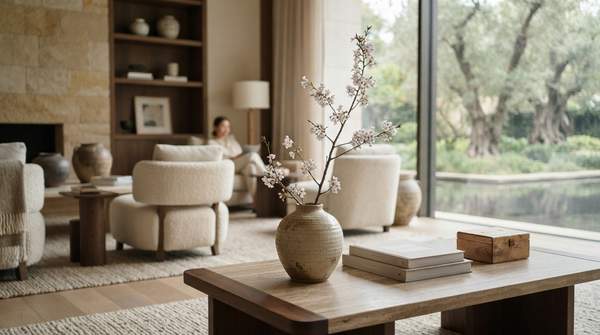
The collection integrates materials designed to improve with use, such as natural resins and hand-brushed shellac lacquers, applied through layered processes. These methods create depth in the finishes without causing environmental damage during production, a stark contrast to more chemically intensive alternatives. These natural finishes not only reduce toxicity but also allow the furniture to develop a unique patina over time, enhancing its character and value. Furthermore, the textiles incorporated are locally sourced, including wool, alpaca, cotton, linen, and mohair velvet jacquards, all woven from natural fibers, according to Salon Prive Magazine. The approach minimizes the carbon footprint associated with material transport and supports regional economies, fostering a more transparent and responsible supply chain.

A notable item within the collection is the Embrace sofa, designed by Carlo Colombo. This piece features a fully leather-upholstered outer shell, with refined proportions engineered to reduce visual weight while maintaining structural integrity and comfort. The emphasis on durable construction and high-quality, natural materials extends the product lifecycle, aligning with sustainable principles by reducing the need for frequent replacement. The strategy addresses the core challenge of luxury durability, ensuring that investment pieces retain their utility and beauty for generations. Examples demonstrate a tangible shift in luxury product development towards integrating environmental responsibility from design to material sourcing, moving beyond mere compliance to genuine innovation in both aesthetics and ecological impact.

Strengths: Utilizes natural and locally sourced materials, enhancing traceability and reducing carbon footprint; incorporates durable, long-lasting design for extended product lifecycles; focuses on low-impact finishing processes that avoid harmful chemicals; fosters a unique aging process that improves product character over time. | Limitations: Limited availability due to specialized production and artisan techniques; higher initial investment compared to mass-produced alternatives, potentially restricting market access; reliance on natural materials may introduce slight variations, requiring specific care; material sourcing, even locally, may still involve complex supply chain management for certain components. | Price: Available upon request, reflecting bespoke luxury craftsmanship and the premium associated with sustainable, high-quality materials and production methods.

The Circular Economy's Growing Influence

The adoption of circular business models by luxury brands is demonstrating tangible benefits, not only for environmental impact but also for sales growth and consumer loyalty. LuxCo, a hypothetical luxury brand, achieved sales growth from 2025 without increasing the volume of items manufactured, accomplished by nurturing circular business models like resale and rental, according to bain. The strategy challenges the traditional luxury paradigm of scarcity through new production, proving that sustainable practices can drive substantial revenue and redefine brand value in the modern market.

The market for these models is substantial and rapidly expanding; resale and rental now account for roughly 10% of global apparel sales, a figure that continues to expand significantly, according to bdapartners. The growth is significantly influenced by changing consumer preferences, particularly among younger demographics. Data indicates that 65% of Gen Z consumers prefer purchasing from sustainable brands, signaling a clear future demand for ethically produced and circulated luxury goods. The strong preference suggests a potential blind spot among luxury leadership regarding the long-term impact on brand relevance and consumer loyalty, especially with younger demographics, if circularity is not embraced. The success of circular models and strong Gen Z preference indicate a clear market signal that sustainable practices are not just an ethical choice but a significant driver of growth and customer loyalty, offering a path to increased sales without increased resource depletion.

LuxCo's success in achieving sales growth without increasing manufacturing volume, as highlighted by bain, shows that circular business models like resale and rental are not just ethical choices but powerful drivers of sustainable revenue, challenging the traditional luxury paradigm of scarcity and new production. The shift allows brands to engage with consumers across multiple touchpoints throughout a product's lifecycle, fostering deeper relationships and opening new channels for value creation.

Comparative Approaches to Sustainable Luxury

FeatureLuxCo's Circular ModelTraditional Luxury Paradigm
Revenue GenerationAchieved sales growth from 2025 without increasing manufacturing volume through diversified streams like resale and rental, tapping into new consumer segments.Primarily reliant on new product sales and increasing manufacturing output, often leading to higher resource consumption and waste.
Market ShareCaptures growing segments, including a significant 65% of Gen Z consumers who actively prefer sustainable brands, securing future loyalty.Risks ceding market share to brands embracing circularity and ethical practices, potentially alienating younger, values-driven demographics.
Environmental ImpactSignificantly reduces waste and resource consumption by extending product lifecycles and promoting reuse, contributing to a lower ecological footprint.Higher resource intensity and waste generation from continuous new production cycles, contributing to environmental degradation.
Consumer PerceptionEnhances brand loyalty and relevance, particularly among younger, values-driven demographics, positioning the brand as forward-thinking and responsible.Perceived as less responsive to evolving consumer expectations for sustainability and ethical practices, potentially leading to brand erosion over time.
Business ModelEmbraces diversified revenue streams from secondary markets (resale, rental, repair), creating a more resilient and adaptable economic framework.Focuses predominantly on primary sales channels and maintaining exclusivity through newness and limited editions, which can be resource-intensive.

Redefining Luxuryuxury's Purpose

The strategic shift in brand purpose is a foundational element underpinning the sustainable transformation within luxury. Between 2020 and 2030, LuxCo redefined its core purpose, moving from a traditional emphasis on craft and scarcity to a broader commitment to 'what is beautiful and good' for people and the planet, according to bain. This re-evaluation positions sustainability not as an add-on or a compliance measure, but as an integral part of the brand's identity and value proposition. This redefinition of purpose, coupled with innovative material science and design, embeds sustainability into the core identity and production processes of luxury, ensuring that every stage of product development aligns with ethical and ecological principles.

This redefined purpose is manifesting through significant innovation in material science, a crucial area for reducing the environmental footprint of luxury goods. Brands are actively exploring and adopting alternative materials to reduce environmental impact across their product lines. Examples include the development and use of mushroom leather, apple leather, cactus leather, and lab-grown leather, as noted by Vocal Media. These biomaterials and synthetic alternatives offer viable, often more sustainable, alternatives to traditional leather and other resource-intensive components. They address critical concerns about animal welfare, excessive water consumption, and the use of harmful chemicals in conventional manufacturing processes, offering a pathway to luxury without compromise on ethics or aesthetics.

Beyond raw materials, design philosophy is also evolving to embrace sustainability as a core principle. The Bentley Home collection, for instance, features the Embrace sofa, designed by Carlo Colombo. This piece incorporates a fully leather-upholstered outer shell and refined proportions engineered to reduce visual weight, as detailed by Salon Prive Magazine. While utilizing traditional luxury materials like leather, the design emphasizes thoughtful construction and longevity, extending the product's lifespan and reducing its overall environmental footprint. This approach integrates sustainability into the aesthetic and functional aspects of luxury goods, demonstrating that environmental responsibility can coexist with exquisite design and the inherent desire for lasting quality. Such design choices contribute to a circular model by creating products that are built to last, reducing the frequency of replacement.

The collective efforts in redefining brand purpose, coupled with advancements in material innovation and design for durability, signify a comprehensive integration of sustainability. This moves beyond mere compliance or fragmented initiatives, embedding ecological and social considerations into the very essence of luxury product creation and brand narrative. Such strategic shifts are crucial for luxury brands aiming to remain relevant and competitive in a market increasingly driven by conscious consumerism, ensuring their offerings resonate with a new generation of buyers who demand both beauty and responsibility.

The luxury market is at a critical juncture where rapid growth in sustainable segments contrasts sharply with a declining executive prioritization of environmental and social risks. The global sustainable fashion market's expansion, up to 10 times faster than the broader industry, underscores a clear consumer mandate for ethical and responsible luxury. Yet, the significant drop in fashion executives ranking sustainability as a top-three risk for growth—from 29% in 2024 to 18% in 2025, according to bdapartners—suggests a dangerous complacency within luxury boardrooms. This executive disconnect creates a vulnerability, as brands may misjudge the long-term implications of current market trends.

This complacency risks undermining long-term brand equity and financial stability. Gen Z consumers, for example, show a strong preference, with 65% indicating they purchase from sustainable brands. Ignoring this demographic shift and market signal could lead to significant loss of future market share and brand loyalty. The significant drop in executive prioritization of sustainability as a top risk, as reported by bdapartners, indicates a dangerous complacency within luxury boardrooms, suggesting they are underestimating the long-term brand equity and financial risks of not meeting evolving consumer expectations, particularly from Gen Z. This underestimation can lead to missed opportunities for innovation and market leadership.

Brands demonstrating genuine commitment to circular models and innovative sustainable practices, like LuxCo's success in achieving sales growth without increasing manufacturing volume through resale and rental, are proving that sustainability is a powerful driver of revenue, not just an ethical expense. This approach not only mitigates environmental impact but also unlocks new value streams and strengthens consumer relationships. The integration of advanced sustainable materials and design for longevity, as seen in Bentley Home's 2026 collection, further illustrates the potential for luxury to redefine its value proposition, offering products that are both desirable and responsible.

Ultimately, luxury brands that fail to embed sustainability as a core strategic pillar risk being outmaneuvered by more agile, purpose-driven competitors. The market is actively rewarding brands that align with consumer values, and those that treat sustainability as a tactical trend rather than a fundamental strategic imperative will find their long-term market leadership jeopardized. The continued growth of circular business models and the strong preference of younger consumers for sustainable products indicate a clear trajectory for the luxury market. By Q3 2026, brands maintaining this complacent stance will likely face increased pressure from both consumers and investors to align their strategies with the accelerating demands of the sustainable luxury market, potentially impacting their competitive positioning and financial performance.

Frequently Asked Questions

What are the most sustainable luxury brands in 2026?

While specific rankings vary, brands like LuxCo are recognized for their commitment to circular business models, achieving sales growth without increasing manufacturing volume through resale and rental initiatives. Some brands are also actively investing in regenerating natural ecosystems as part of their material sourcing, going beyond just sustainable procurement to active environmental restoration, which provides a stronger long-term impact.

Which luxury brands are leading in eco-friendly product innovation?

Luxury brands leading in eco-friendly product innovation are those developing and integrating advanced alternative materials into their collections, such as those derived from agricultural waste streams. This includes materials like mushroom leather, apple leather, cactus leather, and lab-grown leather. Additionally, brands like Bentley Home are focusing on product longevity and low-impact finishing processes, using natural resins and hand-brushed shellac lacquers in their 2026 furniture collection to minimize environmental damage.

How are luxury brands incorporating sustainability into new collections?

Luxury brands are incorporating sustainability into new collections through multiple strategies, including redefining brand purpose to prioritize environmental and social good. They are also focusing on local sourcing of textiles, such as wool, alpaca, cotton, and linen, to reduce transportation emissions, and implementing full supply chain traceability to ensure ethical practices from raw material to finished product. Furthermore, design principles are shifting towards creating durable products that improve with use, extending their lifecycle and reducing the need for early replacement.