Around 50 percent of Gen-Z consumers globally have already purchased fashion outside of their gender identity, signaling a seismic shift in how the next generation defines style. Active engagement demonstrates a deeply personal connection to clothing as a form of self-expression, moving beyond traditional gendered divisions within the mainstream retail market.
However, consumer interest in gender-fluid fashion is surging, yet many established brands continue to operate with outdated gendered marketing and product lines. The disconnect between surging consumer interest in gender-fluid fashion and established brands' outdated gendered marketing and product lines creates a significant gap between evolving consumer desires and the retail offerings available.
Brands that fail to authentically embrace gender-fluid strategies risk alienating a powerful and growing consumer base, potentially ceding significant market share to more progressive competitors.
The Multi-Billion Dollar Shift: Market Growth and Broad Appeal
- USD 3.04 billion — The global genderfluid clothing market was valued at this amount in 2025, according to Business Research Insights.
- USD 8.695 billion — This market is projected to reach this value by 2035, growing at a Compound Annual Growth Rate (CAGR) of 10.2% from 2025 to 2035, also reported by Business Research Insights.
- 70 percent — This percentage of all consumers express interest in buying gender-fluid fashion in the future, according to CNBC.
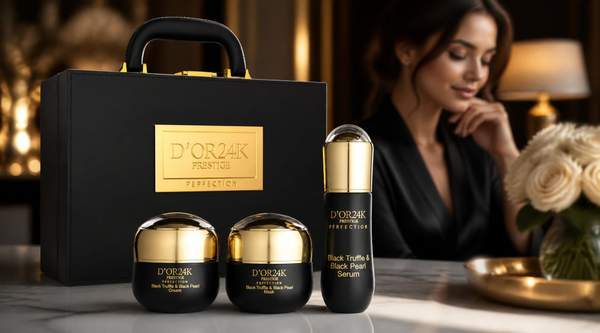
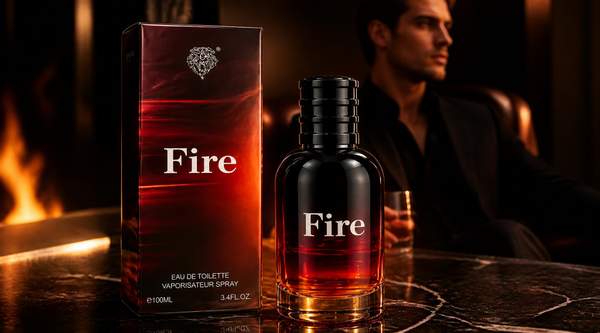
- Fragrances, fashion, and beauty — These categories showed consumer interest within the context of genderless fashion discussions, indicating a broader lifestyle application beyond clothing, according to PMC.
The substantial market growth and widespread consumer engagement across various product categories confirm gender-fluid fashion as a mainstream and expanding opportunity, extending its reach beyond apparel to encompass broader lifestyle expressions.