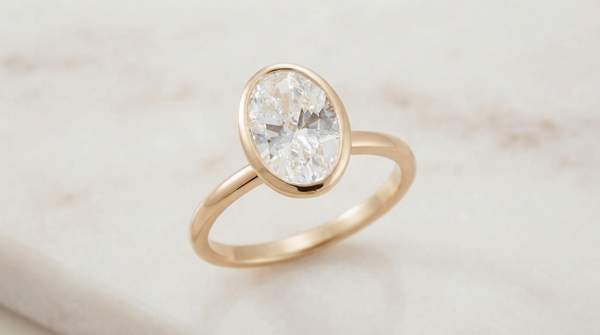
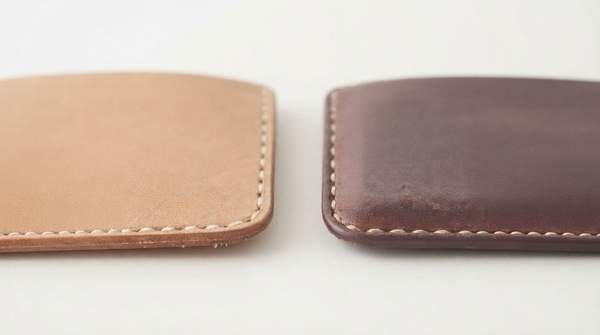
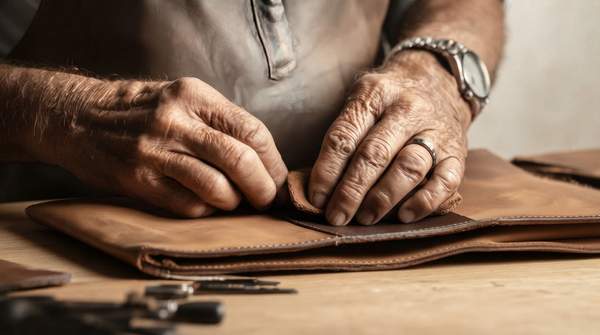
In Q1 2024, global sales of luxury handbags (over $1000) plummeted by 15%, while accessories under $200 surged by 25%, signaling a seismic shift in consumer priorities, according to a Bain & Company Report. Luxury brands continue to push high-priced 'it bags,' but consumers increasingly turn to affordable, unique, and often ethically sourced accessories for personal expression. TikTok hashtags like #dupe and #affordablefashion, garnering billions of views, showcase this demand for non-branded individuality, according to TikTok Analytics. Social media algorithms further promote personalized, niche content over mass-market trends, confirms Meta Insights.
Based on shifting consumer values, economic pressures, and social media trends, the accessory market will likely continue to fragment. Traditional luxury houses must adapt or risk losing relevance to agile, purpose-driven competitors.
The Fading Allure of the 'It Bag'
The 'it bag' market is oversaturated, eroding perceived exclusivity and desirability, according to a Luxury Market Analyst. Rapid trend cycles have shortened the average 'it bag' lifespan from 5-7 years to 2-3 years, notes a Fashion Forecaster. A 10% decrease in average selling price for 'it bags' on resale platforms over the last year reflects diminished longevity, according to The RealReal Data. The 15% drop in luxury bag sales suggests consumers now reject the 'it bag' model, prioritizing value and ethical practices over fleeting status symbols.
The Rise of Unique and Accessible Style
Seventy percent of Gen Z consumers prioritize uniqueness and ethical sourcing over brand name for accessories, a preference shared by affluent millennials choosing pieces under $200, according to a Fashionista Survey. Celebrities increasingly sport vintage or independent designer accessories over ubiquitous 'it bags', as noted by Paparazzi Photos/Stylist Interviews. A 30% increase in venture capital for small, independent accessory brands in 2023, surpassing traditional luxury investments, is fueled by this shift, reports a Crunchbase Report. Consumers now actively seek transparent labor practices and local production, even for accessories, confirms an Ethical Fashion Report. Fashion schools, like Parsons School of Design, see a surge in sustainable design interest, indicating a new paradigm prioritizing personal values and distinctiveness over overt brand display.
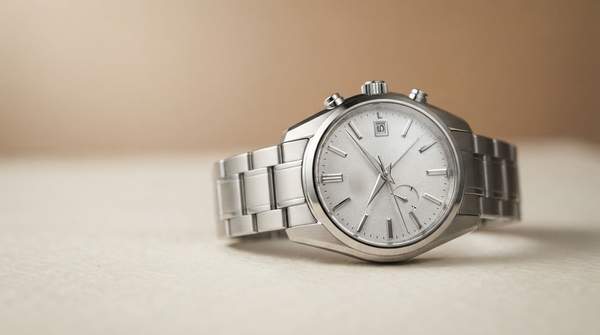
The 25% surge in affordable accessory sales under $200 proves companies missing transparently sourced, unique, and value-driven products cede ground to agile, purpose-driven competitors. Accessories now serve as tools for individual identity and self-expression.
Economic and Cultural Undercurrents
Inflationary pressures force consumers to favor versatile, lower-cost items, impacting high-priced luxury accessories, states an IMF Economic Outlook. Rising production costs for high-end leather goods also squeeze luxury brands' profit margins, detailed in a Supply Chain Report. Supply chain disruptions further impact the availability and cost of exotic leathers and specialized hardware for high-end bags, according to a Global Supply Chain Report. Simultaneously, consumer spending on experiences like travel and dining increases, often at the expense of luxury accessories, according to Deloitte Consumer Insights. Macroeconomic forces and a cultural shift towards experiential consumption diminish the appeal of expensive, status-driven material goods.
Traditional luxury houses clinging to the 'it bag' model risk irrelevance. True exclusivity now lies in personal expression and ethical alignment, not a brand's price tag or limited edition run.
Luxury's Response and the Future Landscape
Major luxury brands like Gucci and Prada now introduce smaller, more accessible accessory lines, often collaborating with independent artists, reports Vogue Business. They also experiment with NFT-linked accessories for digital exclusivity, though physical sales remain challenged, as discussed at a Web3 Fashion Summit. Consumers viewing 'fast fashion' accessories as unsustainable, preferring durable, unique pieces from smaller brands, is a pivot luxury brands are responding to, according to a Green Fashion Report. Rental fashion services further reduce the perceived need for owning expensive 'it bags,' notes the Rent the Runway Annual Report. Luxury brands face a fundamental challenge: reconciling their heritage with evolving consumer values and market dynamics.
The 'it bag' decline erodes traditional brand loyalty. Consumers now show greater allegiance to personal values than to specific luxury labels, outmaneuvering both luxury and fast fashion with demands for unique, ethically produced items.
By Q3 2026, major luxury brands like Gucci and Prada will face continued market share erosion if they fail to fully embrace transparent sourcing and true uniqueness over legacy branding, as consumer preferences solidified in recent periods indicate a lasting shift.