The global gender-fluid clothing market, a vibrant USD 3.04 billion in 2025, is poised to nearly triple to USD 8.695 billion by 2035. The market's swift expansion, fueled by a 10.2% compound annual growth rate, reshapes consumer preferences. Yet, a deeper look uncovers a stark imbalance in who truly propels this trend, challenging the very notion of universal gender fluidity.
Despite the market's rapid growth and innovative brand offerings, the cultural embrace and adoption of these styles remain significantly asymmetrical between genders. Many brands craft versatile collections, but consumer behavior shows a distinct pattern in how these new options are truly worn.
Based on current market trends and consumer behavior, the future of gender-fluid fashion will likely be shaped more by women embracing masculine aesthetics, while brands face a continued challenge in broadening male adoption of traditionally feminine elements.
A Market on the Rise
- USD 3.04 billion — The global gender-fluid clothing market was valued at this amount in 2025, according to Business Research Insights.
- USD 8.695 billion — The gender-fluid clothing market is projected to reach this value by 2035, representing a near tripling in market size, according to Business Research Insights.
- 10.2% — This is the projected compound annual growth rate (CAGR) for the global gender-fluid clothing market from 2025 to 2035, indicating robust expansion, according to Business Research Insights.
- 46% — North America holds nearly this percentage of the global gender-fluid clothing market share, demonstrating its leading role in adoption, according to Business Research Insights.
- 32% — Europe accounts for this percentage of the market share, following North America due to its progressive fashion cultures and inclusivity awareness, according to Business Research Insights.
North America and Europe, holding 46% and 32% of the market respectively, lead this surge. Their progressive cultures cultivate new fashion norms. But even within these incubators, the true currents of consumer dynamics demand closer inspection.
Brands Embrace the Fluid Aesthetic
Fashion brands now actively craft versatile collections, shedding traditional gender distinctions. The crafting of versatile collections is a direct industry response to evolving desires. Sister Jane offers suits with playful bows, QUEERA designs stylishly androgynous pieces, and Milla Nova's Atelier Collection features gender-inclusive mix-and-match options. Yet, the vision behind these collections often meets an asymmetrical reality in consumer adoption.
| Brand | Fluid Offering Example |
|---|---|
| Sister Jane | Suits and shirts featuring playful touches like bows and ruffles |
| QUEERA | Expertly designed stylish androgynous collections |
| Milla Nova | Atelier Collection with gender-inclusive, statement unisex mix-and-match options |
Source: Rock N Roll Bride
Decoding Consumer Interest
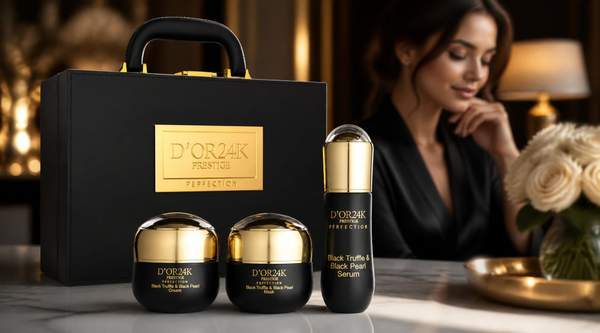
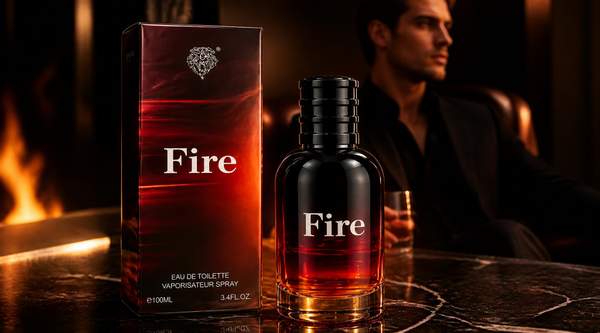
Unpacking consumer engagement demands rigorous data, not just observation. Researchers meticulously gathered unstructured text from blogs and online communities between 2018 and 2020, analyzing 9722 posts on 'genderless fashion' with Python 3.7 software (PMC). This data is now dated. The analysis illuminated a truth: interest in genderless fashion transcends mere clothing. It permeates fragrances, beauty, and broader lifestyle choices, signaling a cultural metamorphosis, not just a sartorial shift (PMC).
The Asymmetrical Reality of Adoption
Despite market growth and brand innovation, a stark asymmetry defines how consumers truly embrace gender-fluid styles. Societal norms still cast a long shadow over individual choices. Women readily adopt masculine aesthetics; men, however, rarely cross into traditionally feminine territory (Forbes India). This imbalance reveals a persistent comfort barrier, where fashion's fluidity bends unevenly across genders.
Evolving Trends and Future Challenges
The gender-fluid market shifts constantly, with certain categories waxing and waning.
- Among genderless fashion trends from 2018 to 2020, 'perfume and scent' captivated consumers, becoming a hot topic (PMC).
- Conversely, 'bags,' 'all-in-one skin care,' and 'set-up suit' saw their appeal fade during the same period (PMC).
This ebb and flow demands brands remain agile, constantly redefining 'genderless' to meet an ever-evolving cultural pulse.
By 2035, if brands fail to genuinely bridge the gender asymmetry in adoption, the 'gender-fluid' market may appear more as an expansion of women's fashion into masculine aesthetics than a truly unisex revolution.