In a stark departure from past decades' logo-mania, a new luxury model emerges. Coveted items now whisper their quality, often indistinguishable to the untrained eye. Luxury once equated to visible status symbols; now, its most sophisticated expression lies in subtle discernment and intrinsic value. This profound shift, driven by generational changes and evolving priorities, means the market for understated, high-quality goods will likely expand significantly, reshaping design and retail strategies in 2026.
Beyond the Label: Defining Quiet Luxury
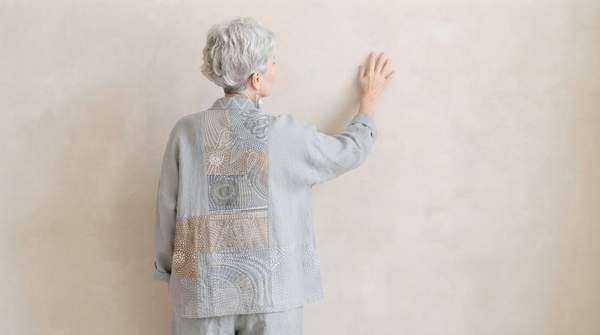
In 2026, luxury fashion emphasizes discernment, states Fashion Times. Impeccable tailoring, premium fabrics like cashmere and silk, and timeless silhouettes now supersede ostentatious branding. Value resides in construction and feel, not a visible logo. This redefines luxury, focusing on substance: superior materials, meticulous craftsmanship, and enduring design that resists fleeting trends.
The Philosophy of Enduring Value
Quiet luxury extends to interiors, reflecting a desire for mindful, lasting spaces. Design pieces now hold value and deepen meaning over time, notes Native Trails Home. Natural materials like solid wood, stone, and hand-finished metals are favored, from furniture to architectural elements. This isn't a superficial trend; it's a response to deeper consumer desires for sustainability, personal connection, and lasting utility. Possessions must offer a narrative, integrating seamlessly into life with permanence and thoughtful acquisition.
From Wardrobe to Lifestyle: Minimalism's Role
Minimalist wardrobes naturally support these values, encouraging fewer purchases and longer product lifespans, reports Fashion Times. Curating versatile, high-quality pieces reduces frequent replacements and environmental impact. This fusion with minimalism rejects fast consumption for a sustainable, intentional life, influencing choices from clothing to home decor. It's a desire for simplicity and functionality, where every item serves a purpose and builds a cohesive aesthetic.
The Generational Shift Driving Discretion
Millennials and Gen Z drive this new luxury model, states SCAD. They find overt branding unsophisticated, preferring discretion and intrinsic quality. Authenticity and a rejection of performative status symbols guide their purchases. This isn't a fleeting trend; it's a foundational shift. Future generations demand authenticity, substance, ethical production, longevity, and a personal connection to their possessions, aligning with conscious consumption.
Your Questions, Answered
What are the key elements of the quiet luxury aesthetic?
Quiet luxury is defined by exceptional materials, meticulous craftsmanship, and an absence of overt branding. Think natural fibers like vicuña or fine merino wool, precision tailoring, and subtle details: hand-stitched seams or custom hardware.
How has quiet luxury impacted interior design trends in 2026?
In 2026, quiet luxury in interiors creates serene, functional spaces with lasting appeal. Demand rises for bespoke furniture, artisanal ceramics, and finishes like unlacquered brass or natural stone. These elements gain character over time, rather than showing wear.
What is the difference between quiet luxury and minimalism?
Both embrace clean lines and reduced clutter. However, quiet luxury centers on intrinsic value and investment in superior quality. Minimalism can be inexpensive, prioritizing function. Quiet luxury specifically demands high-quality, often costly, materials and craftsmanship, signaling understated affluence.
Investing in Enduring Style
Brands clinging to overt branding and fast fashion cycles risk irrelevance; younger generations actively seek discernment and longevity. Companies failing to integrate sustainability and intrinsic value will be seen as out of touch, a consequence of this shift aligning quiet luxury with minimalist wardrobes and mindful design. By the end of 2026, luxury giants like LVMH and Kering are likely to further expand their unbranded capsule collections, responding to consumer demand for lasting quality over visible logos.