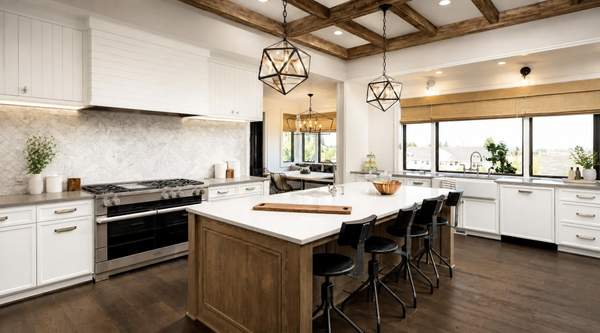
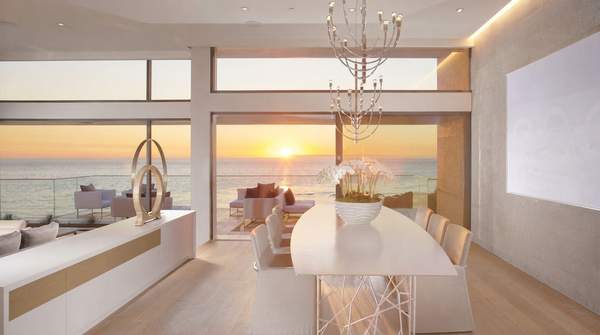
Consumers consistently recognize products as high-quality and exclusive when designers employ subtle, premium cues, a hallmark of minimalist aesthetics, according to Digitalcommons Georgiasouthern. The deliberate absence of clutter, rather than its overt presence, signals a sophisticated and enduring quality that resonates with discerning consumers.
Yet, minimalist design paradoxically enhances perceived value and communication through the rigorous reduction of elements. This counterintuitive strategy challenges notions that more features equate to higher quality. The true power lies in strategically removing visual noise, allowing essential messages to stand out.
Businesses and individuals applying minimalist principles achieve greater clarity, stronger brand perception, and a more impactful user experience. This strategic application reshapes brand value, offering a distinct competitive advantage in a visually saturated market by cultivating exclusivity and refinement.
The Essence of Less: Defining Minimalism
Minimalist design emphasizes simplicity and functionality, according to Academia. Its primary goal is to remove the unnecessary, as detailed by Researchgate. This disciplined approach ensures every remaining component serves a clear function or conveys a specific message.
This rigorous reduction enhances perceived value and sophistication by highlighting intrinsic qualities. It is not about deprivation, but about clarity.
Key Characteristics: Color, Light, and Form
Minimalist design uses neutral color palettes like whites and greys, key to its visual identity, according to Academia. Neutral color palettes like whites and greys create calm and expand perceived space. Maximizing natural light is also crucial, especially in minimalist offices, enhancing clarity and openness for focus.
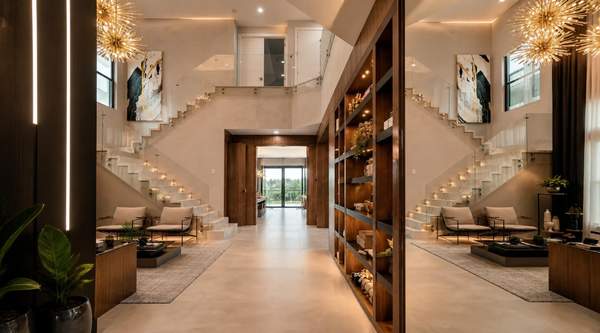
Neutral color palettes and natural light shape spaces that are both aesthetically pleasing and inherently functional. This approach implies that true aesthetic power often lies in what is withheld, not what is added.
Beyond Aesthetics: The Strategic Impact
The strategic power of minimalist design extends beyond aesthetics. While Researchgate emphasizes removing unnecessary elements, Digitalcommons Georgiasouthern notes consumers recognize quality from premium cues. This tension reveals minimalist design redefines "premium." Instead of embellishments, it leverages absence to signal exclusivity.
Companies embracing this approach gain a powerful competitive advantage. By focusing on essential features and refined forms, minimalist design communicates deliberate quality, making every element count in an understated manner.
Why Minimalism Resonates Today
Minimalist design resonates today by cutting through visual clutter. In a world saturated with information, its clarity provides an antidote. Prioritizing simplicity and functionality allows brands to achieve clearer communication and elevate perceived value, challenging conventional marketing that equates more features with higher quality.
This approach cultivates calm and focus, appealing to modern sensibilities seeking order amidst complexity. Stripping visual noise enhances user experience through thoughtful reduction, a compelling strategy for designers and businesses.
Common Questions About Minimalist Design
How does minimalist design impact user experience?
Minimalist design enhances user experience by reducing cognitive load and improving focus. Removing distractions allows users to navigate interfaces or interact with objects more easily, leading to increased satisfaction and efficiency. A clean interface, for example, helps users find desired information without unnecessary searching.
What are examples of successful minimalist product design?
Successful minimalist product designs include consumer electronics from companies like Apple, known for streamlined aesthetics and intuitive functionality. Scandinavian furniture also showcases minimalist principles, focusing on clean lines, natural materials, and practical utility. These examples demonstrate how form follows function for timeless appeal.
What are the benefits of minimalist interior design?
Minimalist interior design creates environments promoting tranquility and mental clarity. It often involves open spaces, essential furnishings, and a muted color palette to foster calm and spaciousness. This choice reduces stress and enhances productivity, making spaces more functional and inviting without visual overload.
The enduring success of companies like Braun, rooted in minimalist principles, demonstrates that purposeful design, not superfluous additions, builds lasting brand identity and consumer trust, a trend likely to intensify.