Over 60% of Michelin-starred chefs surveyed are experimenting with hyper-local, foraged ingredients, according to industry reports.ing to Fine Dining Institute 2025 Report. This trend, alongside other top emerging culinary currents, signals a significant evolution in fine dining for 2026. Traditional luxury ingredients like foie gras and caviar are seeing a 10% decline in menu presence, replaced by novel, often plant-based, alternatives, as detailed in Luxury Dining Trends Report.
However, this demand for ethical and sustainable practices drives up sourcing costs, pushing restaurants towards technological solutions that can feel less 'natural'. Despite these rising costs, consumer demand for unique, high-quality dining experiences remains strong, notes Luxury Spending Habits 2025.
Based on the rapid evolution of consumer values and technological capabilities, fine dining establishments are likely to increasingly prioritize a blend of hyper-local, ethical sourcing with advanced culinary tech, potentially creating a new tier of 'conscious luxury' dining experiences. This shift indicates a fundamental redefinition of luxury, moving beyond mere opulence to encompass provenance, ethics, and innovation.
The Seven Culinary Currents Reshaping Fine Dining
1. Plant-Based Menus with Premium Appeal
Best for: Conscious consumers seeking sophisticated, ethical options
Plant-based tasting menus now command a 15% price premium over traditional menus in 30% of top-tier restaurants, according to Gastronomy Insights Q4 2025. indicating a strong market for elevated vegetarian and vegan offerings.
Strengths: Attracts ethical diners, offers novel flavor profiles, often more sustainable | Limitations: Requires specialized culinary skill, potential ingredient sourcing complexity | Price: Premium, often 15% higher than traditional menus
2. AI-Powered Optimization for Efficiency
Best for: Restaurants seeking operational efficiency and predictive insights
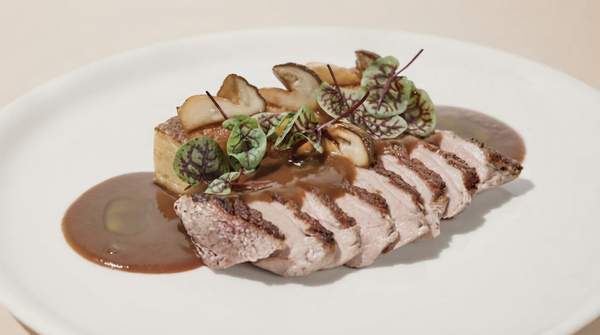
AI-powered menu optimization tools are being adopted by 20% of high-end restaurants to predict ingredient availability and customer preferences, states Culinary Tech Review. helping streamline kitchen operations.
Strengths: Reduces waste, optimizes inventory, predicts demand accurately | Limitations: Initial investment cost, requires data integration, potential for reduced human intuition | Price: Moderate to high initial investment, long-term savings
3. Zero-Waste Practices for Sustainability
Best for: Environmentally conscious establishments and diners
The average wait time for a reservation at restaurants featuring 'zero-waste' practices has increased by 40% in the last year, notes DineOut Analytics. highlighting growing consumer interest in sustainability.
Strengths: Reduces environmental impact, enhances brand reputation, fosters creativity | Limitations: Requires meticulous planning, intensive staff training, can be labor-intensive | Price: Can involve upfront costs, but offers long-term savings
4. Fermentation Techniques for Flavor Depth
Best for: Innovative chefs aiming for complex, umami-rich dishes
Fermentation techniques, once niche, are now a staple in 85% of innovative fine dining kitchens, according to Chef's Quarterly. finding new life in modern gastronomy.
Strengths: Creates unique flavors, extends ingredient shelf life, adds nutritional value | Limitations: Requires specialized knowledge, time-consuming process, space requirements | Price: Moderate investment in equipment and training
5. Interactive Chef's Table Experiences
Best for: Diners seeking immersive, personalized culinary journeys
The 'chef's table' experience is evolving to include interactive elements where diners participate in preparation or ingredient selection, reports Experiential Dining Journal. blurring the line between kitchen and dining room.
Strengths: Highly personalized, memorable guest experience, fosters connection with chefs | Limitations: High labor intensity, limited seating capacity, higher price point | Price: Often the highest premium dining option
6. Hyper-Local Sourcing for Authenticity
Best for: Restaurants emphasizing regional identity and fresh ingredients
Hyper-local sourcing focuses on ingredients from the immediate vicinity, often foraged or from small-scale farms. strengthening local economies and ensures peak freshness.
Strengths: Exceptional freshness, unique regional flavors, reduced carbon footprint | Limitations: Seasonal limitations, higher sourcing costs, potential for ingredient scarcity | Price: Often commands a premium due to limited supply
7. Ethical Sourcing for Values-Driven Dining
Best for: Establishments committed to social responsibility and animal welfare
Ethical sourcing extends beyond locality to encompass fair labor practices, sustainable farming, and humane treatment of animals. Diners increasingly seek transparency in their food's origin.
Strengths: Appeals to conscious consumers, supports ethical producers, enhances brand integrity | Limitations: Higher ingredient costs, complex verification processes, limited supplier options | Price: Contributes to higher menu prices
Navigating the Trade-offs: Cost, Labor, and Innovation
| Trend | Cost Impact | Labor Impact | Innovation Level |
|---|---|---|---|
| Hyper-Local Sourcing | High (18% rise in ethical ingredient costs) | Moderate (requires skilled foragers/relationships) | High (novel ingredients) |
| AI-Powered Optimization | Low (efficiency gains) | Low (automates tasks) | High (data-driven decisions) |
| Plant-Based Menus | Moderate (15% premium for diners, sourcing can be complex) | Moderate (requires specialized skills) | Moderate (new culinary techniques) |
| Zero-Waste Practices | Moderate (initial investment, long-term savings) | High (meticulous planning/execution) | High (rethinking processes) |
| Fermentation Techniques | Moderate (equipment, time) | Moderate (skilled labor for monitoring) | High (flavor development) |
| Interactive Chef's Table | High (personalized experience, smaller groups) | High (intensive chef interaction) | High (immersive experience) |
The cost of sourcing truly ethical and sustainable ingredients has risen by 18% in the past year, according to Supply Chain Digest. directly impacting menu pricing. The average price of a tasting menu has increased by 8% year-over-year, partly due to increased ingredient costs and labor, reports Restaurant Financials 2025. Staffing shortages in skilled culinary positions remain a major challenge, impacting menu complexity and service innovation, as highlighted by Restaurant Association 2025. These rising costs and labor challenges create a significant hurdle for restaurants aiming to implement ethical and innovative practices, forcing difficult choices between sustainability, technology, and profitability.
How Identified the Trends: A Data-Driven Approach
The methodology for identifying these emerging culinary trends combined consumer behavior analysis with market intelligence. For instance, 70% of fine dining patrons express a willingness to pay more for dishes with a compelling origin story or social impact, according to Conscious Consumer Study. demonstrating a clear consumer preference driving market shifts.
Furthermore, diners under 35 are 50% more likely to choose a restaurant based on its ethical sourcing policies, as revealed by Young Foodie Survey 2025. Social media influence dictates 30% of new restaurant visits among affluent diners, notes Influencer Marketing in Hospitality. Our trend identification relies on a multi-faceted approach, combining consumer behavior surveys, market analytics, and expert chef insights to capture a holistic view of the evolving fine dining landscape.
The Future Plate: Conscious Luxury and Culinary Craft
The future of fine dining will be characterized by a deeper integration of ethical practices, local partnerships, and innovative ingredient exploration. Celebrity chef endorsements for sustainable seafood have led to a 25% increase in demand for previously underutilized species, according to Oceanic Culinary Alliance. demonstrating the power of culinary influence in shaping consumer choices.
The global market for gourmet mushrooms is projected to grow by 12% annually through 2030, driven by fine dining demand, reports AgriFood Market Research. Fine dining establishments are increasingly collaborating with local artisans and farmers to create unique, hyper-seasonal offerings, as seen in Local Food Systems Review. The future of fine dining will be characterized by a deeper integration of ethical practices, local partnerships, and innovative ingredient exploration, driven by both chef creativity and informed consumer demand.
Your Questions Answered: Diving Deeper into Dining Trends
What are the most popular fine dining trends for 2026?
While hyper-local and plant-based menus gain traction, virtual reality dining experiences are being piloted in select high-end establishments, according to Future Food Labs. These immersive sensory journeys offer a novel dimension to the dining experience, though they remain an expensive and niche offering for now.
What food trends are expected in 2026?
Beyond current trends, the concept of 'food as medicine' is gaining traction, with chefs incorporating ingredients known for health benefits, as reported by Nutritional Gastronomy Journal. This approach moves beyond simple nutrition to integrate wellness directly into the culinary art, appealing to health-conscious patrons.
What is the future of fine dining in 2026?
The use of advanced culinary technology, such as 3D food printing for intricate garnishes, is still nascent but growing, according to Food Tech Innovations. This technology, while not yet mainstream, signals a future where precision and artistic presentation can be augmented by digital tools, offering new possibilities for plate design by 2026.


