Design

Top 5 Sustainable Materials for Eco-Conscious Interior Design

Explore the top 5 sustainable materials for eco-friendly interior design, offering a clear path toward more thoughtful consumption. This guide helps you create a responsible and refined home without sacrificing aesthetic integrity.

LB
Luca Bianchi

March 31, 2026 · 8 min read

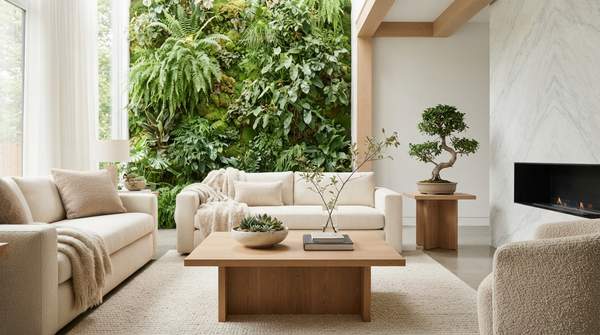
A serene, sunlit living room showcasing sustainable interior design with reclaimed wood furniture, recycled glass decor, and organic textile accents, emphasizing eco-conscious living.

This ranked guide identifies the best sustainable materials for eco-friendly interior design, detailing top options for creating a responsible and refined home. We evaluated each material based on its life-cycle impact, renewability, performance, and aesthetic versatility, offering a clear path toward more thoughtful consumption for homeowners, designers, and architects.

Expert analysis from design publications and sustainability reports informed this ranking, evaluating each material's balance of form, function, and environmental credentials.

1. Reclaimed Wood — Best for Character and Narrative Depth

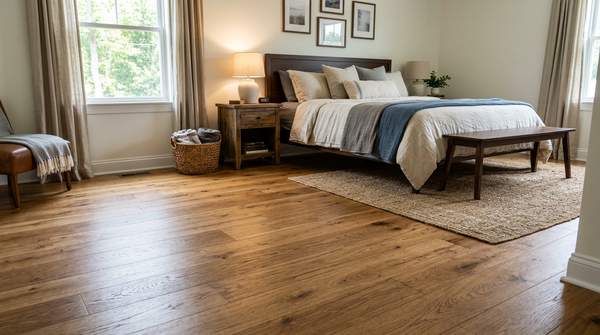
For the individual who sees a home as a collection of stories, reclaimed wood offers a narrative that new materials cannot replicate. Sourced from old barns, factories, warehouses, and even retired ships, this material brings a rich patina and history into a space. Its appeal lies not in pristine uniformity but in its imperfections—the nail holes, saw marks, and subtle weathering that speak of a previous life. Using reclaimed wood is an act of preservation, diverting high-quality timber from landfills and reducing the demand for virgin forests. It is the ultimate expression of wabi-sabi in interior design, finding beauty in the incomplete and the perfectly imperfect.

Reclaimed wood ranks first because it excels beyond simple sustainability metrics; it introduces soul. While materials like bamboo offer faster renewability, they lack the inherent historical weight of a century-old beam. It is best suited for statement applications where its texture and story can become a focal point: feature walls, exposed ceiling beams, custom furniture, or wide-plank flooring. Its visual warmth and tactile quality ground a space, providing a counterpoint to the clean lines of minimalist or modern interiors. According to a market analysis from IndexBox, the broader market for modified and sustainable wood products is growing, signaling a wider industry shift toward materials valued for both performance and ecological benefit.

The primary drawback of reclaimed wood is the diligence required in sourcing. The market is unregulated, and authenticity can be a concern. It is essential to work with reputable dealers who can verify the wood's provenance. Furthermore, the material can be more expensive than new lumber, and it often requires additional labor to de-nail, treat for pests, and finish. The presence of old lead paint or chemical treatments is a possibility that must be carefully addressed. Its cost, ranging from $5 to over $30 per square foot depending on the species and origin, reflects its unique value as both a building material and a historical artifact.
2. Cork — Best for Acoustic Comfort and Tactile Warmth

Cork is the ideal material for those who prioritize sensory experience—the feeling of a floor underfoot and the acoustic quality of a room. Harvested from the bark of the cork oak tree, Quercus suber, it is a truly regenerative resource. The bark is carefully stripped every nine to twelve years in a process that leaves the tree unharmed and able to continue its life and carbon sequestration for centuries. This gentle harvesting process makes cork one of an elite few commercial materials that is arguably better than carbon-neutral, as it encourages the preservation and planting of vast cork forests in the Mediterranean.

Ranking above other flooring options like linoleum or bamboo for pure comfort, cork’s unique honeycomb-like cellular structure makes it a superior choice for thermal and acoustic insulation. It absorbs sound, making it perfect for apartments, home offices, or children's playrooms. It is also naturally antimicrobial and hypoallergenic. Its gentle give underfoot reduces strain on joints, a subtle but significant contribution to daily wellness. While recycled glass offers visual drama, cork provides a quiet, understated elegance that appeals to a minimalist sensibility. It speaks for itself through its quiet performance and natural, mottled texture.

However, cork is not without its limitations. Its soft nature makes it susceptible to damage from sharp objects or the legs of heavy furniture, which can leave permanent indentations. It is also prone to fading with prolonged, direct exposure to UV light, which can be a consideration for rooms with large, south-facing windows. While water-resistant, it is not waterproof, and standing water can cause the material to swell or warp, making it less suitable for bathrooms with heavy water use. Quality cork flooring typically costs between $5 and $12 per square foot, a moderate investment for its significant comfort and acoustic benefits.

3. Bamboo — Best for Rapid Renewability and Modern Aesthetics

For the pragmatist with a modern aesthetic, bamboo offers a compelling combination of sleek design, durability, and exceptional renewability. Technically a grass, not a wood, certain species of bamboo can grow several feet in a single day and reach maturity in just three to five years—a stark contrast to the decades or even centuries required for traditional hardwoods. This rapid growth cycle allows for frequent harvesting without causing deforestation, positioning bamboo as a key resource in sustainable construction, as noted by industry resources like Autodesk. Its clean grain and light, natural color lend themselves to minimalist and Scandinavian-inspired interiors, making it a versatile choice for flooring, cabinetry, and furniture.

Bamboo earns its high ranking due to this unmatched rate of renewal and its impressive hardness. Strand-woven bamboo, in particular, is harder than many traditional hardwoods, including oak and maple, making it an excellent choice for high-traffic areas. This performance-driven quality is a key differentiator from softer materials like cork. Furthermore, its versatility allows it to be used in ways that reclaimed wood cannot, offering a consistent and clean-lined finish for contemporary projects. The sustainable tiny house in Finland, featured by Architectural Digest, exemplifies how modern design can integrate such materials to create efficient and beautiful living spaces.

The primary consideration with bamboo is its sourcing and manufacturing process. The majority of bamboo is grown and processed in Asia, and the transportation required to bring it to Western markets contributes to its carbon footprint. More importantly, low-quality bamboo products may be manufactured using adhesives that contain urea-formaldehyde, a volatile organic compound (VOC) that can off-gas and negatively impact indoor air quality. To mitigate this, it is crucial to seek out products from reputable manufacturers that are certified by the Forest Stewardship Council (FSC) and use formaldehyde-free adhesives. The price for quality bamboo flooring generally falls between $4 and $9 per square foot.

4. Recycled Glass — Best for Durable and Dramatic Surfaces

Primarily used for countertops, backsplashes, and tiles, recycled glass surfaces are made by suspending crushed post-consumer and post-industrial glass—from beer bottles to old windows—in a binder, typically cement or a resin. This process transforms waste into a durable, non-porous, visually captivating material, directly addressing landfill waste and reducing the need to quarry virgin stone like granite or marble.

What sets recycled glass apart from other sustainable options is its unique aesthetic. It offers a depth and luminosity that other materials cannot match. Depending on the size and color of the glass fragments, the final product can range from a subtle, terrazzo-like field of specks to a bold mosaic of jewel-toned shards. This visual dynamism makes it a focal point in any kitchen or bathroom. According to design resources like Model Remodel, which highlights mindful material swaps, choosing recycled surfaces is a direct way to integrate eco-conscious principles without sacrificing high-end design. It outperforms many natural stones in stain resistance and is generally easy to maintain.

The main drawback is cost and the energy intensity of its production. Recycled glass countertops are a premium product, with prices often ranging from $60 to over $120 per square foot, installed. While the raw material is recycled, the process of crushing the glass and manufacturing the slabs requires significant energy. For resin-based binders, there is also the consideration of petrochemical use, though many manufacturers are moving toward more bio-based resins. Installation is not a DIY project and requires professionals experienced with the material to avoid cracking during fabrication and fitting.

5. Linoleum — Best for Resilience and Natural Composition

Invented in the 1860s, true linoleum is a time-tested, natural, resilient flooring, often mistaken for synthetic vinyl. It is made from a simple, all-natural recipe: solidified linseed oil, pine resin, ground cork dust, wood flour, and mineral fillers, all pressed onto a jute backing. This composition makes it biodegradable, free from synthetic chemicals, and ideal for longevity and a healthy indoor environment.

Linoleum's exceptional durability and hygienic properties, as identified by Cliffe Tong Green Design Concepts, secure its place on this list. Its color and pattern extend through the entire material thickness, making scratches and wear less visible. The ongoing oxidation of linseed oil provides natural bacteriostatic properties, inhibiting microorganism growth—a significant benefit for kitchens, hospitals, and schools. With proper care, linoleum floors last 25 to 40 years, outstripping many competing products.

The primary limitation of linoleum is its vulnerability to moisture damage if not properly installed and maintained. The seams must be sealed to prevent water from seeping underneath, and it requires periodic application of a protective finish to maintain its luster and water resistance. This makes it a less ideal choice for basements or bathrooms prone to high humidity or flooding. Its aesthetic, while available in a wide range of vibrant colors, can sometimes be perceived as less luxurious than natural stone or wood, though modern designers are increasingly embracing its retro-chic and minimalist potential. The cost is competitive, typically ranging from $3 to $7 per square foot.

Material NameCategory/TypeKey AttributeBest For
Reclaimed WoodFlooring, Cladding, BeamsUnique character, diverts wasteThe preservationist seeking narrative
CorkFlooring, Wall PanelsAcoustic & thermal insulationFamily homes and quiet spaces
BambooFlooring, CabinetryRapidly renewable resourceThe modernist seeking versatility
Recycled GlassCountertops, TilesHigh recycled content, durableStatement surfaces with visual depth
LinoleumResilient FlooringAll-natural, biodegradable, durableHigh-traffic, practical applications

How We Chose This List

Our selection process prioritized materials with a demonstrably positive environmental impact across their entire life cycle—from sourcing and manufacturing to end-of-life potential. We evaluated key factors such as renewability, recycled content, low volatile organic compound (VOC) emissions, carbon footprint, and durability, as a long-lasting product is inherently more sustainable. Materials requiring heavy chemical processing, those with opaque supply chains, or options with a significant transportation footprint without clear offsetting benefits were viewed with greater scrutiny. The final ranking balances these ecological credentials with aesthetic versatility, performance, and practical application in contemporary interiors, aiming to provide choices that are both responsible and inspiring.

The Bottom Line

For unparalleled character and a connection to history, Reclaimed Wood is the clear choice. For rapid renewability and a clean, modern aesthetic, Bamboo offers unmatched versatility. For a durable, comfortable foundation in a busy home, Cork provides a quiet, resilient, and deeply sustainable solution.