An overflowing closet often yields the persistent feeling of having nothing to wear, a paradox born from impulse buys and fleeting trends that create disparate items instead of a cohesive sartorial statement. Curating a capsule wardrobe offers a refined solution. This guide transforms wardrobe management from a daily challenge into an exercise in personal style and intentionality by focusing on a small collection of versatile, high-quality pieces. This approach unlocks surprising breadth of expression and embraces sustainable fashion.
What Is a Capsule Wardrobe?
A capsule wardrobe is a small collection of thoughtfully chosen, easy-to-mix pieces that allows you to create a wide range of outfits with fewer items. The concept is a masterclass in the principle of "less is more," prioritizing quality, versatility, and personal resonance over sheer volume. The term was first introduced in the 1970s by London boutique owner Susie Faux, who championed a collection of essential items that would not go out of style. The idea gained widespread prominence in the 1980s with Donna Karan’s seminal ‘Seven Easy Pieces’ collection, which demonstrated to the world how a few interchangeable garments could form the foundation of a complete and sophisticated wardrobe.
At its core, a capsule wardrobe is not about restriction but liberation. It aims to reduce decision fatigue, save time, and promote more intentional shopping habits. As Diana LoMonaco, founder of the brand Classic Six, clarified to Forbes, these collections are not inherently boring or minimalist. Instead, they are a curated expression of individual style, a functional system where each piece is chosen for its ability to harmonize with the others, creating a multitude of looks from a limited, but deeply considered, selection.
How to Build a Capsule Wardrobe: A Step-by-Step Guide
Building a capsule wardrobe requires a thoughtful dialogue between your lifestyle, aesthetic preferences, and design principles. This deliberate curation demands patience and introspection. A structured approach methodically distills your closet into a powerful, functional, and elegant collection.
Step 1: Define Your Personal Style and LifestyleBefore a single item is chosen, you must establish a clear vision. This begins with an honest assessment of your daily life. Consider your professional environment, your leisure activities, and the practical demands of your routine. A wardrobe built for a creative professional in a temperate climate will look vastly different from one designed for a corporate lawyer in a city with four distinct seasons. Document your typical week. What percentage of your time is spent in meetings, working from home, socializing, or relaxing? This practical foundation ensures your wardrobe serves you, not a fantasy version of your life. Alongside this, define your style aesthetic. Create a mood board with images that resonate with you, paying attention to recurring silhouettes, color palettes, and textures. Are you drawn to classic tailoring, bohemian fluidity, or modern minimalism? This foundational step is about discovering the authentic narrative your clothing should tell.
Step 2: Conduct a Thorough Wardrobe AuditWith your style vision in hand, it is time to engage with your existing collection. This is the most critical and often most revealing step. The process requires taking every single piece of clothing out of your closet. As stylist Veronica Tan advises, starting with an evaluation of what you already own is essential for creating a baseline. Lay everything out and create four distinct piles: "Love," "Maybe," "Donate/Sell," and "Store." The "Love" pile should contain the items you wear frequently and that make you feel confident. These pieces are the seeds of your capsule. The "Maybe" pile is for items with sentimental value or that don't quite fit—set them aside for a few months and revisit. The "Donate/Sell" pile is for anything that no longer aligns with your defined style. Finally, the "Store" pile is for seasonal items and special occasion wear, which typically live outside the everyday capsule.
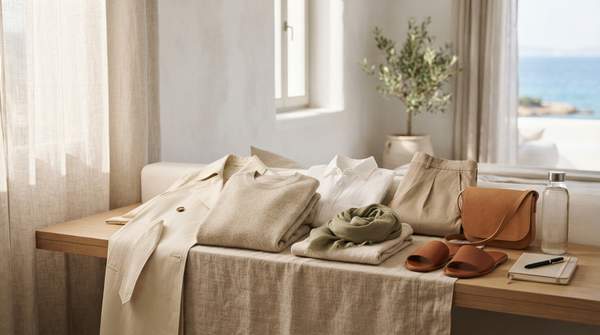
Step 3: Establish a Cohesive Color PaletteThe versatility of a capsule wardrobe hinges on a harmonious color story. A well-chosen palette ensures nearly every top can be paired with every bottom, exponentially increasing your outfit options. A classic approach involves selecting two to three base colors—versatile neutrals like black, navy, charcoal, or beige—that will anchor your major pieces like coats, trousers, and skirts. Then, choose two to three accent colors that complement the bases and reflect your personality. These could be softer tones like blush or sage, or more vibrant hues like cobalt or rust. Finally, add one or two neutral shades like white, cream, or chambray for essential layering pieces like shirts and tees. This structured palette provides a framework that simplifies both dressing and future purchases.
Step 4: Identify Your Core Essentials and Fill the GapsAnalyze your "Love" pile through the lens of your new color palette. These are your proven essentials. You will likely find you already own many foundational pieces: a favorite pair of jeans, a perfectly cut blazer, a beloved trench coat. Create a list of these core items. Then, compare this list to your ideal wardrobe vision and identify the missing links. Perhaps you need a versatile silk blouse, a pair of tailored wool trousers, or a classic leather tote. This is your strategic shopping list. When acquiring new pieces, the focus must be on craftsmanship. Examine the fabric quality, the precision of the stitching, the cut, and the finishing details. A well-made garment will not only look better but will also endure for years, which is central to the capsule philosophy and the principles of slow fashion.
Step 5: Plan and Assemble Your OutfitsThe final step is to test the collection’s functionality. Begin combining your curated pieces to create a variety of outfits. A single pair of well-fitting black trousers should be able to anchor a professional look with a blazer and blouse, a casual weekend ensemble with a cashmere sweater and sneakers, and an evening outfit with a silk camisole and heels. Photographing these combinations can be a helpful reference for busy mornings. This exercise confirms the versatility of your selections and solidifies your understanding of how each piece works within the greater whole. The goal is not to reach an arbitrary number, but to arrive at a collection where every item is functional, loved, and expressive of your personal style.