In a landmark study across offices in the UK and Netherlands, staff working in 'green' environments with plants were found to be a remarkable 15% more productive than their counterparts in 'lean' designs, according to BBC. The 15% increase in productivity reveals a significant connection between our surroundings and work capacity. The economic returns on biophilic investments are immediate and substantial, extending beyond aesthetics to measurable bottom-line impact.
However, urban living links strongly to increased stress and mental health issues. Simple, intentional integration of nature into built spaces can dramatically reverse these negative trends. The tension between pervasive urban health crises and the powerful, yet often simple, solutions biophilic design offers is a significant aspect. Even brief interactions with nature yield measurable health benefits. For more, see our Biophilic Design Principles: Urban Architecture.
As global urbanization accelerates, biophilic design appears a critical, evidence-based investment. It fosters healthier, more productive, and more resilient human populations. Ignoring it in urban development is not just a missed opportunity, but a measurable economic and public health liability, diminishing productivity and exacerbating mental health crises.
What is Biophilic Design, and Why Does it Matter for Your Brain?
Biophilic design integrates natural elements into the built environment. It recognizes humanity's innate connection to nature, known as biophilia. This approach moves beyond potted plants, creating environments that foster deep, multi-sensory links to the natural world. Exposure to biophilic design positively affects self-reported psychological states, including inspiration, according to pmc. The positive impact of biophilic design extends to creative and emotional faculties.
Beyond inspiration, biophilic design enhances aesthetic appreciation, fosters positive emotional responses, alleviates negative moods, and significantly improves cognitive performance, as reported by Nature. Even brief interactions with non-rhythmic sensory stimuli—like waving grass or a fish bowl—can physiologically improve blood pressure and heart rate, according to BBC. Brief interactions with non-rhythmic sensory stimuli show that biophilic interventions offer measurable health benefits without grand gestures, providing comprehensive uplift.
The findings presented hold substantial implications for architects and urban planners. Biophilic design is not merely aesthetic; it is a deliberate, multi-faceted approach. It leverages diverse natural elements to improve human psychological, emotional, and physiological well-being. It transforms spaces to actively support human health and cognitive function, rather than merely housing activities. The understanding that biophilic design transforms spaces to actively support human health and cognitive function is crucial for modern urban development.
The Urban Health Crisis: How Nature Becomes Our Antidote
Urban living correlates with poorer physical and mental health and increased stress compared to green spaces, according to pmc. The tension between simple biophilic solutions and pervasive urban health crises is a significant aspect. City life links to specific stress-related health problems and a higher prevalence of mental disorders, as reported by Nature. The findings that city life links to specific stress-related health problems and a higher prevalence of mental disorders demand interventions to counteract artificial environments.
Conversely, nature exposure improves psychophysical well-being, decreasing physiological stress, anxiety, and depression, according to Nature. The contrast between nature exposure improving well-being and urban stressors reveals biophilic interventions as a powerful antidote. Benefits are measurable: a study in UK and Netherlands offices showed 'green' offices with plants made staff 15% more productive than 'lean' designs, according to BBC. The 15% productivity boost makes biophilic design a strategic imperative, not a luxury.
The consistent evidence suggests municipal urban planning without mandated biophilic principles is a public health oversight. It directly contributes to societal health burdens. In an urbanized world, biophilic design offers an evidence-based solution to mitigate health risks and unlock gains in human performance. Companies failing to integrate even basic biophilic elements sacrifice measurable economic output and competitive advantage.
What are the key elements of biophilic design?
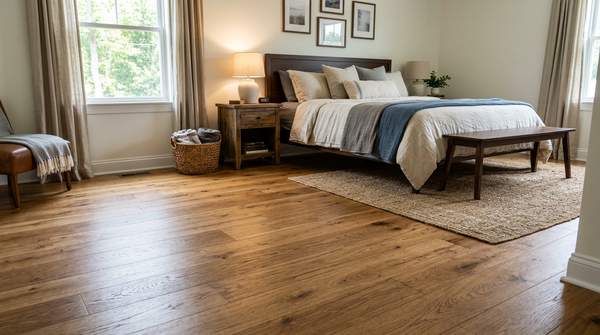
Biophilic design integrates several core elements to connect humans with nature within built environments. Several core elements include direct connections, such as ample natural light, effective ventilation systems that mimic natural breezes, and the presence of living plants or indoor gardens. Indirect connections involve using natural materials like wood and stone, incorporating biomorphic patterns and forms, and ensuring views of natural landscapes or green spaces. Additionally, sensory elements like the sound of flowing water from a small fountain or natural textures contribute to a complete biophilic experience.
How can biophilic design improve well-being?
Biophilic design significantly enhances well-being by reducing physiological and psychological stress, leading to decreased anxiety and symptoms of depression. It fosters a sense of calm and restoration, which is crucial in high-stress urban settings. Beyond stress reduction, biophilic elements are shown to improve cognitive functions, including concentration, creativity, and problem-solving abilities. This comprehensive improvement in mental and emotional states contributes to overall life satisfaction and a stronger connection to one's environment.
Examples of biophilic interior design?
Examples of biophilic interior design are diverse and impactful. Many modern office buildings incorporate extensive living walls or vertical gardens in their lobbies and common areas, bringing vibrant greenery indoors. Healthcare facilities often feature interior courtyards with natural landscaping and accessible outdoor spaces to aid patient recovery. Residential projects frequently maximize natural light through large windows, utilize natural wood and stone finishes, and include water features or views of curated gardens to enhance resident well-being and connection to nature.
By 2026, urban developments that fail to integrate biophilic principles will likely face measurable disadvantages in occupant satisfaction, employee retention, and overall productivity, making these considerations essential for future projects and for organizations like the Urban Green Council seeking sustainable and human-centric growth.