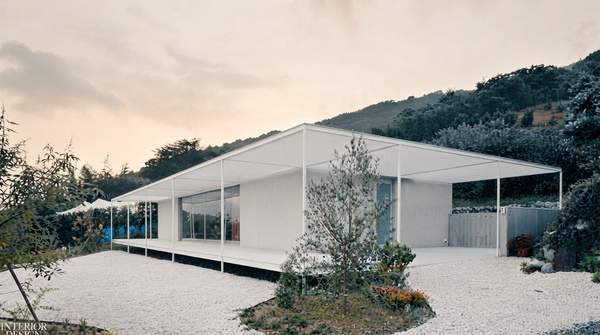
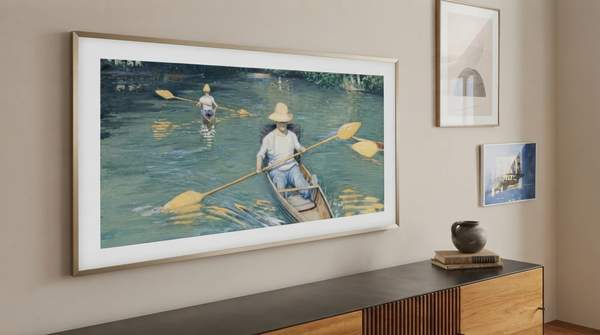
In offices across the UK and The Netherlands, simply adding plants made staff 15% more productive than those without greenery. The direct correlation between natural elements and enhanced human performance in built environments was reported by the BBC. Employees in these green spaces demonstrated improved concentration and focus, translating into tangible gains for their organizations.
Biophilic design offers significant benefits for well-being and productivity, but its lack of standardized guidance and potential for adverse effects means improper application can negate these advantages. While the promise of integrating nature into our daily lives is compelling, the execution often falls short, leading to unintended consequences.
Ultimately, while biophilic design holds immense promise, its widespread and successful adoption hinges on developing robust, context-sensitive implementation frameworks. Without clear guidelines, interventions intended to foster well-being and cognitive function risk becoming sources of distraction and impaired performance.
What is Biophilic Design?
Biophilic design is an architectural and interior design approach that seeks to connect building occupants more closely to nature. This concept draws from the human innate tendency to connect with natural systems and processes, known as biophilia. It integrates natural elements, such as sunlight, plants, water features, and natural materials, into modern spaces.
Exposure to biophilic design has a positive effect on self-reported psychological states, including inspiration, while designs without biophilic quality tended to have an adverse effect, according to a systematic review published in pmc.ncbi.nlm.nih.gov. Surroundings deeply influence human perception and mood. By incorporating these natural attributes, biophilic design aims to improve mental well-being and foster a sense of calm and connection.
The intentional integration of natural patterns and elements can reshape how individuals experience their environment. This design philosophy moves beyond mere aesthetics, aiming to create spaces that actively support human psychological and physiological health. It acknowledges that human beings thrive when their environments reflect the natural world, promoting a deeper sense of belonging and vitality.

Beyond Aesthetics: Cognitive and Experiential Benefits
Cognitive performance improved in all biophilic conditions compared to baseline, according to research published in Sciencedirect. Integrating natural elements does more than simply make a space look appealing; it actively enhances mental acuity. The study also reported that most satisfaction with workplace appearance occurred in biophilic conditions, underscoring user preference for these environments.
Furthermore, visual privacy was reported in biophilic conditions, suggesting that such designs can contribute to a sense of personal space and comfort. Biophilic elements are integral to creating high-performing environments. They not only boost mental function but also foster a positive emotional connection to the workspace, leading to greater overall satisfaction.
The demonstrable enhancements in mental acuity, user satisfaction, and even perceived personal space extend the argument for biophilic integration beyond simple visual appeal. These elements become essential components for environments seeking to optimize both individual well-being and operational efficiency. Such designs move beyond superficial greenwashing, offering measurable improvements in how people work and feel.
The Hidden Risks: When Biophilic Design Goes Wrong
Current biophilic design frameworks lack standardized guidance, a critical issue highlighted by PMC. The absence of clear, evidence-based protocols leaves many organizations to implement biophilic elements without a comprehensive understanding of their potential impact. The lack of standardization creates a significant risk that well-intentioned interventions may not achieve their desired outcomes.
A Nature study revealed that biophilic interventions may fail to produce expected benefits or have adverse effects, such as increased distraction and impaired cognitive performance, especially when multisensory stimuli are used inappropriately. The adverse effects revealed by the Nature study directly contrast with earlier research indicating general cognitive improvements in biophilic settings. It implies that the term 'biophilic conditions' is not monolithic, and specific implementation details, particularly regarding multisensory elements like sounds or scents, are critical to determining actual cognitive outcomes. Companies blindly adding 'biophilic' elements without evidence-based guidance risk turning their wellness investments into sources of distraction and impaired cognitive function, as highlighted by this Nature study.
The potential for negative outcomes, including increased distraction, underscores that biophilic design is a nuanced practice requiring expertise, not merely good intentions. Without careful consideration of how natural elements interact within a space, and particularly how multisensory stimuli are introduced, the very benefits biophilic design promises can be undermined. The precise, context-aware integration of multisensory stimuli is a critical factor for successful biophilic design.
Why Thoughtful Integration is Crucial
Understanding both the profound benefits and the significant pitfalls means that thoughtful, evidence-based integration of biophilic principles is not merely an option, but a necessity for creating truly supportive and productive spaces. The initial promise of enhanced productivity, like the 15% boost seen in UK and Netherlands offices with plants, remains compelling, but the path to achieving it is complex.
The significant productivity gains from simple biophilic elements like plants can be entirely negated, or even reversed into impaired cognitive performance and distraction, if multisensory stimuli are introduced without careful, evidence-based application. Despite a BBC study showing a 15% productivity boost from simple plants, the absence of standardized frameworks means most organizations are gambling with employee well-being, potentially undermining the very benefits biophilic design promises. Precise, context-aware integration is crucial because it transforms a potential benefit into a significant cognitive impairment if mishandled.
The current lack of standardized frameworks means many well-intentioned interventions are likely doing more harm than good by inadvertently creating distracting environments. The lack of standardized frameworks jeopardizes not only individual well-being but also the broader adoption of biophilic design due to perceived failures. Therefore, prioritizing meticulous planning and a deep understanding of biophilic principles is essential to ensure these environments genuinely foster human flourishing.
Common Questions About Biophilic Design
What are the key principles of biophilic design?
Key principles of biophilic design extend beyond simply adding plants. They include direct connection to nature through natural light, air, and views, as well as indirect connections such as natural materials, colors, and fractal patterns. Elements like the presence of water, varying thermal conditions, and biomimicry—imitating natural forms and processes—also contribute to a truly biophilic environment.
How does biophilic design improve mental health?
Biophilic design improves mental health by reducing stress, enhancing mood, and fostering a sense of psychological restoration. Exposure to natural environments has been shown to lower cortisol levels and heart rates, promoting a calmer physiological state. This connection helps mitigate the cognitive fatigue often associated with demanding tasks, allowing for greater mental clarity and emotional balance.
Examples of biophilic design in architecture?
Examples of biophilic design in architecture include buildings with extensive green walls or roofs, such as the Bosco Verticale in Milan, which incorporates over 20,000 trees and shrubs. Other common applications feature large windows framing natural landscapes, indoor courtyards with gardens, and buildings designed to maximize natural ventilation and daylight. These designs prioritize human-nature interaction at various scales.
The Future is Green: Designing for Human Flourishing
Thoughtful integration of biophilic principles is not merely a trend, but a necessity for future human-centered environments. The goal is to move beyond superficial applications and embrace a deeper understanding of how nature's elements can genuinely support and enhance human experience. Organizations that prioritize evidence-based implementation will likely see sustained benefits in employee well-being and productivity, avoiding the pitfalls of poorly executed designs.
The path forward requires a commitment to research and the development of robust frameworks that guide the application of biophilic design. This ensures that interventions are precisely tailored to context, optimizing for cognitive performance and psychological comfort rather than inadvertently introducing distraction. The success of biophilic design in 2026 and beyond will depend on this disciplined, informed approach.
Ultimately, biophilic design represents a future.undamental shift towards creating environments that not only house us but actively nurture our innate connection to nature, fostering a future where human well-being is paramount. By Q3 2026, leading architectural firms are expected to integrate standardized biophilic assessment tools, ensuring that design decisions are backed by empirical data to maximize occupant benefits.