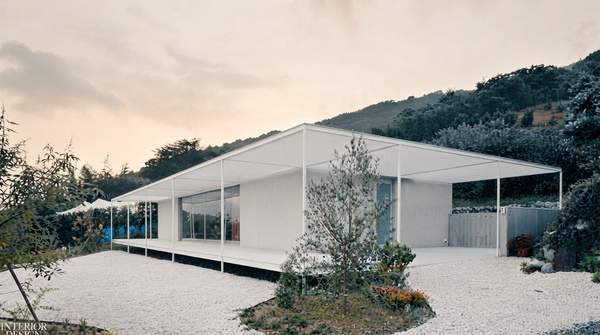
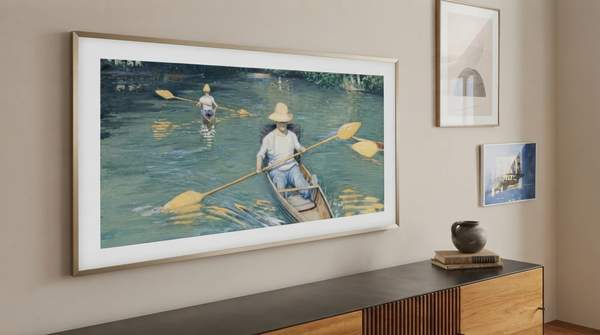
In 1933, after the Nazis won local elections, the Bauhaus school was forced to close. This act of suppression paradoxically launched its principles into a global phenomenon. The Bauhaus school was systematically shut down and its artists persecuted, but its core ideas and aesthetic principles spread internationally, becoming foundational to modern design. Based on this history of suppression and subsequent global dissemination, the Bauhaus legacy continues to subtly shape our built environment and product design, often without explicit recognition of its origins.
Form Follows Function: The Bauhaus Philosophy
At its core, the Bauhaus championed functionalism: design prioritizing an object's purpose and utility. Walter Gropius, the school's founder, stated, "An object is defined by its nature... For it to serve its purpose perfectly, it must fulfil its function in a practical way," according to BBC. This philosophy rejected ornamental excess, advocating for clean lines and forms dictated by material and function. The school's approach fostered a rigorous understanding of materials and manufacturing, aiming to unify art, craft, and technology for improved everyday life. This pragmatic foundation made Bauhaus principles inherently adaptable, allowing them to rapidly take root internationally once proponents were exiled.
A Holistic Education in Art and Craft
The Bauhaus employed a unique educational methodology: the 'Vorkurs.' This obligatory probationary semester, initially overseen by Johannes Itten, according to Bauhaus, ensured all students understood materials, color theory, and fundamental form. This structured introduction promoted an interdisciplinary approach, laying groundwork for specialized workshops and broader, integrated design practice. Such a comprehensive and adaptable curriculum proved vital for the movement's survival and spread after its forced closure.
From Workshops to Modern Living: Integrated Design
Bauhaus principles found practical application through collaborative, integrated projects, unifying diverse crafts. The Sommerfeld House in Berlin, built by Gropius and Meyer, involved workshops for woodcarving, mural painting, glass painting, carpentry, weaving, and metalworking, according to Bauhaus. This project exemplified the school's commitment to a cohesive architectural and artistic statement where every element served a purpose. These integrated projects demonstrated design extending beyond individual objects to entire living environments. The emphasis on standardization and mass production, while maintaining aesthetic quality, aimed to make well-designed objects accessible, providing tangible models adopted globally.