What is the strategic importance of limited edition fashion?

A common rollout timeline for limited-edition drops includes teasing the collection two weeks prior, revealing key designs one week prior, and activating email lists and ambassadors three days prior,

AC
Adrianne Cole

April 20, 2026 · 3 min read

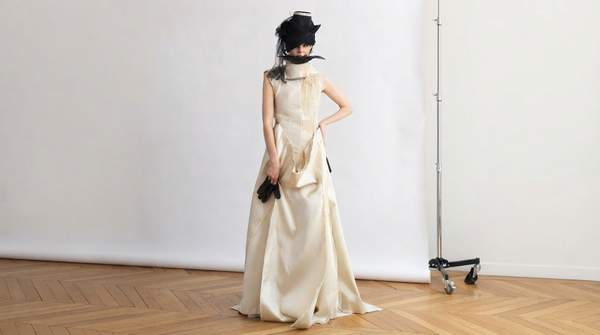
Models on a dramatic runway showcasing exclusive, limited-edition fashion pieces, highlighting the hype and desirability of scarce collections.

A common rollout timeline for limited-edition drops includes teasing the collection two weeks prior, revealing key designs one week prior, and activating email lists and ambassadors three days prior, all to orchestrate a single 'drop day' according to Hi-style. Meticulous pre-planning transforms a product launch into a highly choreographed event. While marketed as spontaneous and exclusive, limited-edition collections are meticulously planned campaigns designed for mass market impact and brand amplification; their perceived urgency and scarcity are engineered. The future of luxury fashion will increasingly rely on these agile, hype-driven drops to maintain relevance and appeal to a new generation of consumers, potentially shifting focus from timeless craftsmanship to transient cultural moments. Careful orchestration creates an illusion of spontaneity, central to generating consumer excitement and heightening demand. Luxury brands, leveraging the consumer desire for 'recognition' according to Oracleoftime, expertly commodify social status, turning the aspiration for belonging into a highly profitable, pre-engineered marketing spectacle.

The Allure of Scarcity: Defining Limited-Edition Fashion

Limited-edition products consistently generate excitement and urgency, driving quicker sales and increased social media buzz, reports Brandsgateway. The dynamic capitalizes on consumer psychology, incentivizing rapid purchasing. Consumers desire these limited editions primarily for the recognition they afford, signifying belonging to an elite group, notes Oracleoftime. The pursuit of status, combined with manufactured urgency, elevates limited items beyond mere products to symbols of social standing and collective aspiration.

Strategic Plays: How Brands Leverage Limited Drops

Limited drops enable brands to test new designs without long-term risk, generate social buzz, and cultivate user-generated content, according to hi-style.com. The approach ensures agile market response and amplified brand visibility. Limited collections also boost perceived brand value and exclusivity, fostering loyal followers. Evidence from hi-style.com and brandsgateway.com reveals that what appears to be a strategy for 'exclusivity' is, in fact, a sophisticated risk-mitigation and profit-maximization tactic, allowing brands to 'test new designs' while generating 'premium prices' and 'increased social media buzz'.

The Power of Partnership: Collaborations and Creative Risk

Limited runs offer manufacturers flexibility for calculated risks and innovative collaborations, revitalizing existing collections and brands, as described by Oracleoftime. The partnerships inject new creative energy. Collaborations between brands, artists, and designers frequently yield unique limited-edition products with greater impact than individual efforts. Such ventures enhance brand appeal and market relevance through novel, exclusive designs.

The Economic Edge: Premium Pricing and Market Impact

Limited items consistently command premium prices due to their perceived higher value, according to Brandsgateway. The pricing strategy directly leverages manufactured scarcity and heightened desirability, significantly impacting a brand's revenue and market positioning.

Behind the Drop: Understanding the Rollout Timeline

What is the typical pre-launch phase for a limited-edition drop? The pre-launch phase for a limited-edition drop often begins two weeks prior to the official release, with brands teasing the collection. One week before the drop, key designs are typically revealed to build further anticipation, according to hi-style.com.

How do brands activate their audience before a drop day? Brands activate their audience by leveraging email lists and engaging ambassadors approximately three days before the drop day, as outlined by hi-style.com. Targeted outreach primes eager consumers and influencers for the launch.

What happens after a limited-edition collection sells out? After a limited-edition collection sells out, brands often continue to highlight the sold-out items, according to hi-style.com. The post-drop strategy reinforces the collection's desirability and success, maintaining brand buzz and exclusivity.

By Q3 2026, luxury brand LVMH will likely increase its limited-edition collaborations by 15% to capture new market segments and sustain brand desirability, leveraging these short-run releases as a primary growth engine.