Berluti, known for its high-end leather goods, has abandoned the traditional seasonal fashion calendar, opting instead for a single annual presentation during Paris Fashion Week men's shows in June, according to WWD. Under Jean-Marc Mansvelt's leadership in 2026, Berluti's move is a deliberate step away from rapid collection cycles, focusing on considered product releases, exclusivity, and timeless appeal. However, Berluti is reducing its market visibility by moving to annual presentations and targeting fewer, more specific clients, even as it aims to strengthen its luxury appeal and cultivate deeper customer loyalty. This approach carries inherent risks. Therefore, Berluti is betting that a more focused, exclusive strategy will yield greater long-term brand value and profitability, potentially setting a new standard for how ultra-luxury brands navigate market demands.
A New Retail Blueprint Takes Shape
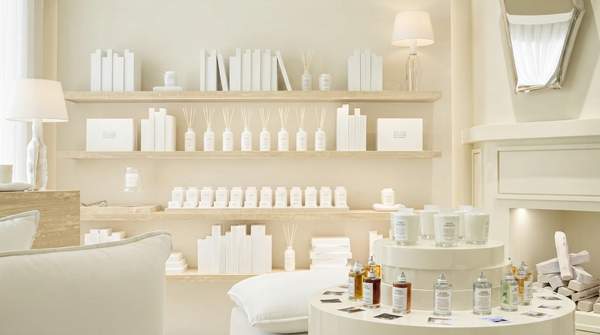
Berluti opened a new boutique on Via Gesù in Milan, inside the Four Seasons Hotel Milano, according to WWD. This is the first European store to adopt Berluti's updated retail concept, initially launched in Tokyo five years ago. By 2026, half of Berluti's 65 global stores will convert to this format. The rapid rollout demonstrates a commitment to a consistent, elevated brand experience globally, suggesting a belief that a proven model can scale without diluting exclusivity.
Cultivating a Local, Loyal Clientele
The Via Gesù store targets local clients, a shift from the previous Via Montenapoleone location that catered mostly to tourists, WWD reports. Moving away from transient traffic aims to build deeper, more enduring relationships with high-net-worth individuals. It implies a recognition that true luxury thrives on sustained engagement, not fleeting transactions. Berluti is betting that deep, personal relationships with a loyal local clientele will be more profitable and sustainable than transient international sales.
Redefining Luxury Engagement in 2026
Berluti's shift to a single annual presentation rejects fast fashion cycles, positioning the brand as a purveyor of timeless luxury, WWD notes. While reducing market visibility, this fosters an 'if you know, you know' luxury status. The global rollout of a five-year-old retail concept confirms Berluti's commitment to a tested, long-term strategy. Berluti's approach redefines luxury retail through exclusivity and experience, potentially setting a new standard for high-end brands seeking deeper customer engagement. Converting half of its 65 stores by 2026 will be a critical test of this exclusive model's global efficacy.