Beauty

GLP-1 Trend Drives New Hair and Skincare Demand at Ulta Beauty

The widespread use of GLP-1 medications is creating an unexpected ripple effect in the beauty aisles. Ulta Beauty's CEO confirms the company is seeing new consumer demand for products that address reported side effects like hair loss and changes in skin elasticity.

SM
Sofia Mendes

April 7, 2026 · 6 min read

Diverse customers in a brightly lit Ulta Beauty aisle, examining hair and skincare products, reflecting new demand driven by GLP-1 medication side effects.

The rising GLP-1 trend is creating new consumer demand for hair and skincare products at retailers like Ulta Beauty, as users seek solutions for reported side effects like hair loss and changes in skin elasticity. This shift in consumer behavior, prompted by the widespread adoption of weight-loss medications such as Wegovy and Ozempic, is reshaping product interest and presenting a significant new market segment for the beauty industry. As the number of people using these drugs continues to grow, beauty brands and retailers are closely monitoring the emerging needs of a customer base navigating the physical transformations that accompany rapid weight loss.

Who Is Affected

The ripple effects of the GLP-1 phenomenon extend across several interconnected groups, each experiencing the trend's impact in a distinct way. The most directly affected are the consumers themselves, a rapidly expanding demographic that is redefining wellness and, consequently, their beauty routines.

  • Consumers on GLP-1 Medications: This primary group is at the center of the demand shift. An EY consumer products expert predicted that by 2025, approximately 10% of the U.S. population will be on some form of weight-loss medication, according to a report from news.ssbcrack.com. These individuals are reportedly seeking targeted beauty solutions to manage side effects. Clinical trials for Wegovy, for instance, found that hair loss was reported as a side effect in 3% of participants. This has led to a focused search for products that promise to enhance hair fullness and strength.
  • Beauty Retailers: Companies like Ulta Beauty are on the front lines of this consumer evolution. With skincare, wellness, and hair care categories already accounting for a substantial 43% of its total sales, Ulta is uniquely positioned to observe and respond to these new purchasing patterns. The retailer’s leadership has publicly acknowledged the trend, indicating a strategic awareness of the opportunity to cater to this emerging customer need.
  • Hair and Skincare Brands: The trend is also a catalyst for innovation among beauty brands. The specific concerns of GLP-1 users—namely hair thinning and reduced skin elasticity—create a clear target for product development. Brands that can effectively formulate and market solutions for these issues stand to gain a loyal following within this growing market segment. This may accelerate research into ingredients that support hair density and skin firmness.

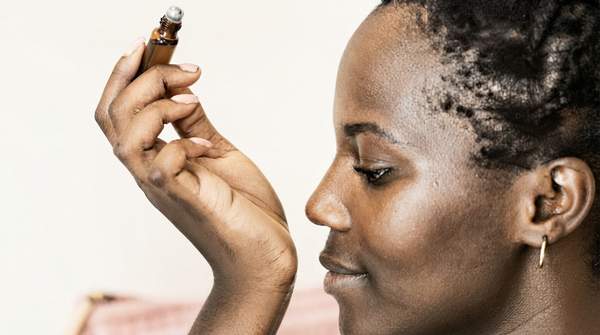
How GLP-1 Drugs Affect Hair Product Demand

The connection between GLP-1 medications and the beauty industry is rooted in the physiological effects of the rapid weight loss they can induce. While celebrated for their efficacy, these drugs can trigger bodily responses that manifest in aesthetic concerns, most notably hair thinning. This has created a direct pathway from the pharmacy to the beauty aisle, as consumers actively seek over-the-counter solutions to mitigate these unwanted side effects. The phenomenon, often a form of telogen effluvium, is a temporary hair shedding that can occur after a significant stressor to the body, such as major surgery or rapid weight loss.

The data from clinical trials provides a concrete basis for these consumer concerns. The fact that hair loss was reported in 3% of Wegovy users has moved the issue from anecdotal complaint to a documented side effect. This has been validated by industry leaders, including Ulta Beauty CEO Kecia Steelman. In an interview with Yahoo Finance, Steelman stated plainly, "Hair loss with GLP-1s is real, and products that can help with that." This public acknowledgment from a major retailer underscores the legitimacy of the trend and its market implications. It signals to both consumers and brands that this is a recognized issue with a corresponding market for solutions.

As a result, the demand for specific types of hair products is reportedly on the rise. Consumers are looking beyond basic cleansing and conditioning, now prioritizing treatments that offer tangible benefits for hair health and appearance. According to reports, these shoppers are seeking products that deliver "fullness" and "longevity." This translates to an increased interest in volumizing shampoos, thickening serums, scalp treatments designed to stimulate follicles, and supplements formulated to support hair growth from within. The focus is less on styling and more on foundational care that addresses the biological stressor of rapid weight loss, creating a new sub-category of therapeutic, results-driven hair care.

Analyzing GLP-1 Effects on Beauty Product Consumption

Beyond hair care, the GLP-1 trend is having a pronounced impact on skincare consumption, particularly concerning skin elasticity. Rapid and significant weight loss can leave the skin looking lax or saggy, as it may not have sufficient time to retract and conform to a smaller body frame. This has created a new consumer motivation for purchasing products that promise to firm, tighten, and deeply moisturize the skin on both the face and body. This concern is not merely cosmetic; it relates to the overall feeling of well-being and confidence during a major body transformation.

Ulta CEO Kecia Steelman highlighted this specific issue, noting the direct link between the medication's effects and skincare needs. "And then also skin elasticity, when you're losing weight really rapidly, you know, the skin elasticity is something that you've got to get moisture into," she explained in a statement reported by Business Insider. This has led to a surge in demand for products rich in ingredients like collagen, peptides, hyaluronic acid, and retinoids, which are known for their ability to support skin structure and hydration. Body care, in particular, is seeing a renewed focus, with consumers investing in firming lotions, rich body creams, and oils to improve the texture and resilience of their skin.

Interestingly, Steelman observed a crossover between the needs of GLP-1 users and another key beauty demographic: consumers concerned with aging. Both groups are essentially seeking "the longevity of the look," as she put it. This convergence means that products traditionally marketed for anti-aging—those that target fine lines, wrinkles, and loss of firmness—are finding a new and motivated audience. This synergy could allow brands to broaden their marketing messages, appealing to multiple demographics with a single, powerful promise of maintaining youthful, resilient skin. For a retailer like Ulta, whose annual sales reached approximately $12.39 billion last year, this expanding customer base represents a significant growth opportunity within its already dominant skincare and wellness categories.

What Comes Next

As the use of GLP-1 medications becomes more entrenched in modern wellness culture, its influence on the beauty market is poised to grow and evolve. The initial phase has been characterized by consumers repurposing existing products to meet their new needs. The next chapter will likely see the beauty industry responding with more direct and sophisticated solutions, creating a more formalized market category tailored to the side effects of medically assisted weight loss.

We can anticipate a wave of product innovation and targeted marketing. Brands will likely develop and launch collections specifically formulated for the skin and hair concerns associated with rapid weight loss. Marketing language may become more explicit, with labels like "Post-Weight Loss Support" or "Elasticity Renewal Complex" appearing on packaging. This could also fuel further growth in the "beauty from within" sector, with an expansion of ingestible supplements containing collagen, biotin, and other nutrients to support hair and skin health during a period of significant caloric deficit and metabolic change. This aligns with broader industry movements, such as the trend toward hyper-personalization in beauty, where consumer needs are met with highly specific solutions.

Retailers like Ulta Beauty will probably refine their merchandising strategies to cater to this customer. This could involve creating dedicated in-store and online sections that curate products for hair thinning and skin laxity, making it easier for consumers to find effective solutions. Educational content, such as tutorials and articles written by dermatologists and stylists, will also become crucial for guiding customers. As Kecia Steelman's comments, reported by outlets like Benzinga, have already demonstrated, positioning the company as an informed and helpful resource builds trust. Ultimately, the rise of GLP-1s is another powerful reminder of the deep, symbiotic relationship between health, wellness, and beauty—a connection that will continue to shape the aisles of our favorite stores for years to come.