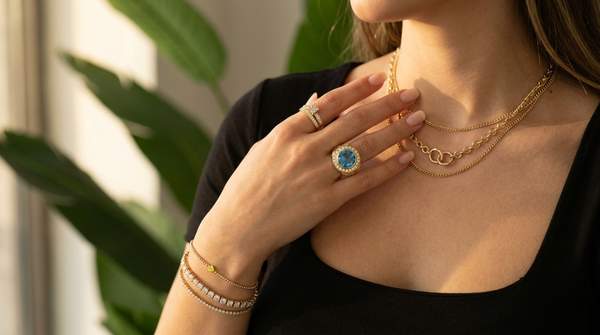
Demand for colored gemstone jewelry surged 30% compared to last year, driving a 20% price increase, according to Whalesbook. The surge in demand and price increase drives a vibrant shift in high-end tastes towards bolder, more expressive designs. Consumers increasingly seek unique pieces, contributing to both value and design evolution in high-end jewelry trends.
However, while demand for exclusive colored gemstones and innovative designs surges, brands simultaneously make luxury more accessible. They achieve this through diversified collections targeting a broader consumer base. This tension defines the current luxury accessories market.
The high-end jewelry market will likely continue its dual trajectory of ultra-luxury innovation and strategic accessibility. This approach broadens its appeal and market reach, blurring traditional luxury definitions for a wider audience. This segmentation strategy captures both elite and emerging luxury consumers.
The Embrace of Bold Hues and Innovative Cuts
- The Couleur Vivante collection features aquamarines totaling 49.39 carats and peridots weighing 60.34 carats, according to robbreport.
The substantial gemstone sizes of 49.39 carats of aquamarines and 60.34 carats of peridots drive a shift towards prominent, vivid pieces in high-end jewelry. This focus on grand, multi-carat collections marks a move towards artistic expression and rarity over traditional diamond dominance, appealing to consumers seeking bold statements.
High-end brands push boundaries with large, vivid gemstones and pioneering innovative cutting techniques, ushering in a new era of design. This trend moves beyond the singular focus on clear diamonds to embrace a spectrum of natural hues and advanced designs. It makes luxury more about individual expression than standardized prestige, reshaping consumer expectations.
Expanding Palettes: From Desert Tones to Diverse Offerings
A Diamond Is Forever launched its Desert diamonds, featuring tones from white and champagne to brown cognac and whisky hues, according to A Diamond Is Forever. The introduction of Desert diamonds broadens luxury's traditional definition beyond clear diamonds. It caters to growing consumer demand for diverse, subtle color variations.
Jewelry collections featuring these desert-inspired palettes are now available at jewelers like Jared Jewelers and Reeds Jewelers, as also noted by WWD. The widespread availability of jewelry collections featuring desert-inspired palettes at jewelers like Jared Jewelers and Reeds Jewelers reveals a sophisticated evolution of consumer taste, signaling a shift where the aesthetic of luxury becomes less about inherent rarity and more about design and accessibility. This challenges high-end jewelry's long-held exclusivity. The market expansion through mainstream retailers represents a strategic move to capture a broader, less conventional luxury buyer. Brands are making these new aesthetics available through mainstream retailers, diversifying the aesthetic of luxury itself and championing individual expression over traditional prestige. This broadens the market beyond traditional connoisseurs, inviting a new generation of luxury consumers.
Luxury's Strategic Accessibility
Brands like Tanishq introduced dedicated collections, such as 'Hues', with a significant portion of designs priced under ₹2.5 lakh, according to Whalesbook. The introduction of dedicated collections like 'Hues' with designs priced under ₹2.5 lakh creates entry-level segments within the colored gemstone market. It cultivates new luxury consumers at lower price points, effectively democratizing access to high-end aesthetics and expanding the potential customer base beyond traditional elites. This strategic move acknowledges that future luxury growth lies not just in exclusivity, but in broader engagement.
While the top tier of colored gemstones becomes more exclusive and expensive, brands simultaneously broaden appeal and market share through accessible lines. The dual strategy of introducing ultra-exclusive collections like Couleur Vivante and accessible lines like Tanishq's 'Hues' segments high-end jewelry offerings. This approach risks brand dilution in pursuit of broader market penetration, yet aims to capture less conventional luxury buyers, ultimately hoping to upsell them as their purchasing power increases.
Innovation Driving Future Trends
The patented and proprietary Prada Cut presents an entirely new architecture for gemstones, according to robbreport. The patented and proprietary Prada Cut drives the ongoing push for unique design elements in high-end jewelry. Such advancements differentiate brands and meet evolving consumer desires for unique, sophisticated pieces.
Continued innovation in gemstone cutting and design architecture remains crucial for brands to maintain relevance. The traditional diamond-centric luxury market reshapes, forcing brands to innovate with unique designs or risk irrelevance. This trend ensures luxury's aesthetic evolves, embracing new forms and expressive elements. By 2026, the strategic balance between ultra-exclusive designs, like those featuring the Prada Cut, and accessible collections from brands such as Tanishq, appears poised to define market success. The strategic balance between ultra-exclusive designs, like those featuring the Prada Cut, and accessible collections from brands such as Tanishq helps brands navigate a fragmented market while appealing to a wider consumer base.