Fashion

6 Top Emerging Fashion Trends from Tokyo Fashion Week 2026

If you're looking for the top emerging fashion trends spotted at Tokyo Fashion Week 2026, this guide details the key aesthetic movements observed on both the official runways and the city's dynamic streets.

AC
Adrianne Cole

March 30, 2026 · 9 min read

Fashion enthusiasts and models showcasing avant-garde outfits with deconstructed textiles and bold silhouettes on the streets of Tokyo during Fashion Week 2026, with neon lights.

If you're looking for the top emerging fashion trends spotted at Tokyo Fashion Week 2026, this guide details the key aesthetic movements observed on both the official runways and the city's dynamic streets. This curated list is designed for the discerning style enthusiast and industry observer, offering a nuanced look at the textures, silhouettes, and styling approaches that defined the season. The trends were evaluated based on their runway presence, prevalence in street style photography, and innovative use of materials and form.

Our selection process involved analyzing runway reports and street style galleries from the Fall/Winter 2026 season, identifying recurring themes and standout design concepts.

1. Deconstructed Textiles — The Beauty of the Unfinished

This trend is best for the sartorial intellectual, the individual who appreciates fashion as a narrative and finds beauty in imperfection. It revolves around a deliberate unraveling of traditional garment construction, transforming clothes into wearable art that tells a story of time and texture. According to a report from Forbes covering the Fall/Winter 2026 collections, runway looks featured elements like "moth-nibbled knits" and "unraveling hems." This approach moves beyond simple distressing; it is a thoughtful exploration of a garment's lifecycle. The silhouette whispers of a delicate decay, where threads are left intentionally loose and edges remain raw, creating a soft, almost ethereal fringe that moves with the wearer. The artistry lies in the control of this chaos, ensuring each piece feels intentionally deconstructed rather than merely damaged.

Compared to the more polished and structured trends seen in other fashion capitals, this aesthetic prioritizes vulnerability and raw materiality. It stands apart from simple minimalism by embracing complexity through texture rather than through pattern or color. The primary limitation of this trend is its perceived fragility and the challenge of incorporating such pieces into a conventional wardrobe. These are not garments for the faint of heart; they demand confidence and a willingness to embrace a less conventional definition of luxury. The focus is less on a pristine finish and more on the tactile experience, inviting a closer look at the very threads that hold the piece together. It's a masterclass in finding elegance in the incomplete, a concept that feels particularly resonant in contemporary design.
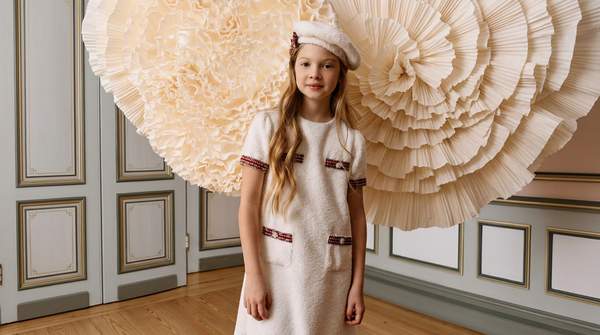
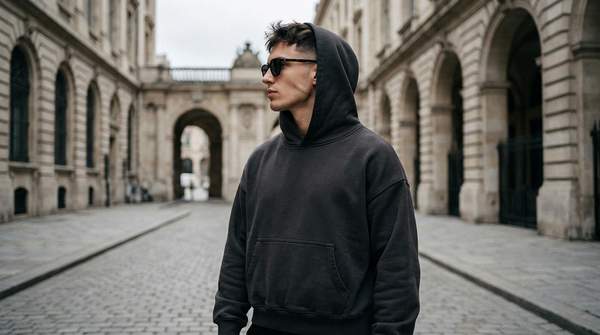
  • Key Elements: Unraveling hems, intentionally distressed knits, raw edges, exposed seams.
  • Color Palette: Often muted and organic, allowing texture to remain the primary focus.
  • Spotted At: Various runway presentations during Tokyo Fashion Week FW26.

2. Architectural Silhouettes — The Paper-Doll Form

For the avant-garde enthusiast who views clothing as a form of sculpture, the rise of architectural, paper-like silhouettes offers a compelling new direction. This trend is defined by its unconventional structure and a certain stiffness that challenges the body's natural lines. The aforementioned *Forbes* report highlighted the appearance of "crinkled, paper-doll silhouettes" on the Tokyo runways, suggesting a move toward more experimental and three-dimensional forms. These designs play with volume and proportion in a way that feels both whimsical and highly conceptual. The fabric is often manipulated—pleated, folded, and creased—to create a rigid yet lightweight structure that stands away from the body, recalling the flat, two-dimensional quality of a paper doll brought to life.

This approach ranks higher than more fluid or body-conscious silhouettes due to its sheer visual impact and design ingenuity. While draping and tailoring are timeless skills, the engineering required to create these crinkled, structural forms represents a more forward-thinking and artistic vision. The main drawback, however, is wearability. These pieces often function more as exhibition-worthy creations than as practical daily attire, limiting their commercial appeal to a niche audience. Their stiff construction can restrict movement, making them better suited for special occasions or editorial features where statement-making is the primary goal. The aesthetic challenges our notions of how clothing should interact with the body, proposing a relationship based on space and structure rather than conformity.

  • Key Elements: Stiff, crinkled textures; exaggerated proportions; voluminous shapes that stand away from the body.
  • Best For: Collectors of statement pieces and those in creative fields.
  • Limitation: Can be impractical for everyday movement and wear.

3. Faded Sugary Pastels — A Nostalgic Palette

This trend is ideal for the romantic modernist—an individual who appreciates soft, delicate color but seeks a contemporary, less saccharine interpretation. The color story unfolding in Tokyo was one of gentle, almost washed-out nostalgia. Collections showcased "sugary pastels with faded prints," as noted by *Forbes*, creating a mood that is both gentle and melancholic. Think of colors like dusty rose, muted lavender, pale mint, and buttery yellow, all filtered through a soft-focus lens. The "faded" quality is crucial; it prevents the palette from becoming overly sweet and instead lends it a sense of history and subtlety. These are not the vibrant pastels of spring, but rather their more introspective, autumnal cousins.

This nuanced color trend surpasses more basic monochrome or bold primary color schemes because of the emotional depth it conveys. The faded quality adds a layer of complexity, suggesting a story behind the garment. It pairs exceptionally well with the deconstructed textures mentioned earlier, as the soft colors enhance the delicate, time-worn feel of unraveling knits and raw hems. The main limitation is that these shades can be challenging to style for those with certain skin tones and may not have the same commercial impact as more traditionally powerful colors like black or red. Furthermore, maintaining the integrity of such specific, faded hues can require more delicate care. The overall effect is one of quiet, contemplative beauty, a soft-spoken statement in a world of visual noise.

  • Key Elements: Muted, washed-out pastel shades; subtle, often blurred prints.
  • Best For: Building a soft, cohesive wardrobe with a touch of vintage-inspired elegance.
  • Pairs Well With: Raw-edged fabrics, lightweight knits, and delicate materials.

4. Maximalist Mixing — A Symphony of Contrasts

The maximalist who thrives on visual energy and self-expression will find a kindred spirit in this street style phenomenon. While runway collections explored subtlety, the streets of Tokyo, particularly during the Spring/Summer 2026 season, told a different story. According to a report from NSS Magazine, street style featured a bold "mix and match of different patterns, textures, and volumes." This is a more-is-more philosophy, where clashing prints (think florals with plaids), disparate textures (like vinyl with lace), and layered volumes are combined in a single, harmonious cacophony. It is a testament to the city's reputation as a hub for fearless personal style, a status it "reconfirms," according to the magazine.

This trend distinguishes itself from more curated or minimalist street style by celebrating eclecticism and personal narrative. It is less about following a prescribed set of rules and more about creating a look that is uniquely one's own. The skill is in the curation—finding a common thread, whether through color or theme, that ties the disparate elements together. The primary drawback is the high degree of difficulty; without a strong editorial eye, this approach can easily veer into chaotic territory rather than appearing intentionally eclectic. It requires a deep understanding of color theory, proportion, and, most importantly, an unwavering sense of confidence. It's a style that is worn by the individual, not a style that wears them.

  • Key Elements: Combining multiple patterns, layering contrasting fabric textures, playing with oversized and fitted volumes.
  • Best For: The sartorially adventurous and confident dresser.
  • Spotted At: Street style during Tokyo Fashion Week SS26.

5. Subcultural Identity — The New Wave of Punks & Kawaii

This trend is for the individualist who uses fashion as a primary tool for cultural and personal identification. Tokyo's fashion ecosystem has always been fertile ground for vibrant subcultures, and the latest season was no exception. Jing Daily noted the presence of both "Kawaii newcomers" and "off-schedule punks," signaling the continued evolution and relevance of these style tribes. The Kawaii aesthetic, with its emphasis on cuteness, pastel colors, and playful motifs, is being reinterpreted by a new generation. Simultaneously, the punk ethos—characterized by DIY modifications, leather, plaid, and a rebellious spirit—remains a powerful force, existing alongside the official fashion week schedule but influencing it from the margins.

This focus on subculture provides a depth and authenticity that often surpasses mainstream, commercially driven trends. It is fashion born from community and identity, not from a top-down directive. These looks are often painstakingly assembled, with a focus on unique, often handmade or heavily customized pieces. The limitation of these styles is that they are, by nature, not for everyone. They are deeply tied to specific communities and identities, and adopting them without understanding the cultural context can feel inauthentic. These are not simply trends to be consumed, but entire aesthetic languages that speak to a sense of belonging and a shared set of values.

  • Key Elements: (Kawaii) Pastel palettes, ruffles, bows, character motifs. (Punk) Leather, studs, safety pins, tartan, DIY alterations.
  • Best For: Individuals deeply engaged with specific style subcultures.
  • Limitation: Requires cultural understanding to be worn authentically.

6. Character-Driven Style — The Influence of Anime and Fantasy

For the creative storyteller and pop culture aficionado, this trend offers an avenue for imaginative expression that blurs the line between fashion and costume. The influence of anime, manga, and gaming culture on Tokyo street style is a long-documented and enduring phenomenon. The Instagram account @tokyofashion, a key documentarian of the city's street style, frequently showcases looks explicitly labeled as "Anime Style" alongside other distinct aesthetics like "Lolita" and "Gyaru-O." This involves more than just graphic tees; it's about embodying a character's entire aesthetic, from brightly colored hair and dramatic makeup to meticulously crafted outfits that reference specific character designs or broader genre tropes.

This trend is defined by a complete, head-to-toe vision, creating a total persona rather than focusing on individual garments. The authentic expression on Tokyo streets is notably more immersive and detailed than mainstream fashion's borrowed elements. Its obvious drawback is a lack of suitability for conventional social or professional settings, making it a high-concept personal expression reserved for specific contexts and communities. This represents a deep engagement with fictional worlds, bringing fantasy into everyday reality and transforming sidewalks into runways, as Vogue observed.

  • Key Elements: Unconventional hair colors, theatrical makeup, cosplay-level garment construction, and thematic accessories.
  • Best For: Fans of Japanese pop culture and those who enjoy fashion as a form of performance art.
  • Limitation: Highly niche and generally not suited for professional environments.
Trend NameCategoryKey ElementsBest For
Deconstructed TextilesRunwayUnraveling hems, distressed knits, raw edgesThe sartorial intellectual
Architectural SilhouettesRunwayCrinkled textures, voluminous shapes, stiff formsThe avant-garde enthusiast
Faded Sugary PastelsRunwayMuted, washed-out colors with faded printsThe romantic modernist
Maximalist MixingStreet StyleClashing patterns, varied textures, layered volumesThe sartorially adventurous
Subcultural IdentityStreet StyleDIY elements, specific aesthetic codes (Punk/Kawaii)The dedicated individualist
Character-Driven StyleStreet StyleAnime/fantasy-inspired looks, theatrical makeupThe creative storyteller

How We Chose This List

This list of Tokyo Fashion Week 2026 trends was curated by synthesizing information from multiple credible fashion news outlets and on-the-ground visual documentation. Priority was given to aesthetic themes observed across different sources, indicating broader movements rather than isolated instances. We focused on both official runway presentations, drawing from detailed collection reports from publications like *Forbes*, and the influential street style scene, as captured by photographers for *Vogue* and specialized outlets like *NSS Magazine*. Trends were selected for their visual distinctiveness, narrative potential, and representation of Tokyo's unique global fashion position. We excluded fleeting micro-trends, focusing instead on significant aesthetic shifts signaling new directions in texture, silhouette, color, and personal expression.

The Bottom Line

Tokyo Fashion Week 2026 trends balance delicate, deconstructed runway artistry with bold, individualistic street style. Conceptual design enthusiasts will find a compelling narrative of form and decay in collection trends like Architectural Silhouettes and Deconstructed Textiles. For immediate, personal expression, street trends such as Maximalist Mixing and Subcultural Identity offer a vibrant blueprint for fearless self-curation.