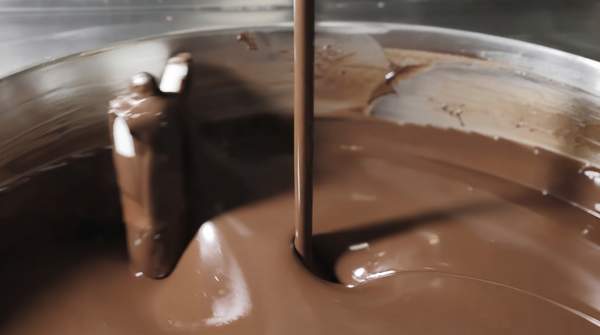
A dish at Noma once featured sea urchin alongside white chocolate, a combination that initially appeared bizarre. This pairing, like chocolate and cauliflower (sharing sulfur compounds, Food & Wine Magazine) or vanilla and lobster (linked by 2-acetyl-1-pyrroline, Food Science & Technology), relies on shared pyrazine compounds for its success. Culinary traditions have long dictated food pairings, but scientific analysis of flavor compounds now reveals unexpected harmonies that defy conventional wisdom. Therefore, fine dining is likely to see an acceleration of boundary-pushing, globally-inspired dishes, as chefs increasingly leverage data-driven insights alongside their intuition.
Beyond Intuition: The Science of Flavor Pairing
The 'food pairing hypothesis' posits that ingredients sharing common flavor compounds pair well, a principle validated by the Journal of Agricultural and Food Chemistry. This scientific lens moves beyond historical assumptions, explaining why centuries-old pairings like basil and tomato work: they share key volatile compounds, as confirmed by Culinary Science Review. This molecular understanding challenges the traditional 'terroir' concept, suggesting that flavor commonalities can transcend geographical boundaries and local traditions, according to Gastronomica.
Uncovering the Molecular Connections of Taste
Research in the early 2000s used gas chromatography-mass spectrometry to identify volatile compounds, breaking ingredients into chemical components, as detailed by Hervé This in Molecular Gastronomy. This led to innovations like the "flavor network" from the Barabási Lab at Northeastern University, mapping ingredients by shared compounds and revealing pairings beyond intuition. Databases like FlavorDB Project now catalog thousands of compounds, aiding computational pairing. For instance, the umami compound MSG naturally enhances savory depth in ingredients like tomatoes and Parmesan, according to the Umami Information Center. Such molecular dissection maps food's intricate chemistry, unveiling connections invisible to taste alone.
The Limits of Science: Culture, Contrast, and Creativity
Science doesn't dictate all taste. A study of 56,000 recipes revealed Western cuisines favor shared compounds, while East Asian traditions often avoid them, according to Nature Scientific Reports. Japanese cuisine, for instance, thrives on contrasting umami, sour, and bitter notes, challenging the Western-centric pairing hypothesis and highlighting cultural philosophies, states the Kikkoman Institute. Flavor perception is a multi-sensory experience—taste, aroma, texture, visual cues—meaning chemical analysis alone misses the full picture, as described in the Oxford Handbook of Food and Nutrition. Chefs, too, caution against over-reliance on data, valuing intuition for creativity, according to a Chef Interview in the Michelin Guide. The scientific model, while potent, serves as a tool, not a replacement for artistry or cultural nuance.
The Future of Fine Dining: AI, Global Ingredients, and Culinary Education
Modern supply chains bring exotic ingredients globally, fueling fine dining experimentation, notes the World Food Trends Report. This expanded pantry combines with AI algorithms, like those from IBM Research, which analyze flavor data to suggest novel pairings, expanding the chef's creative toolkit. This trend extends to beverage pairings, with sommeliers using scientific principles to match complex dishes, according to the Sommelier Journal. This synergy of science, global access, and technology pushes culinary boundaries, crafting dishes both novel and satisfying.
Your Flavor Pairing Questions, Answered
What are the best flavor pairings in French cuisine?
Traditional French cuisine favors established regional pairings like duck with orange or cheese with grapes. These centuries-honed combinations balance rich and acidic, or sweet and savory notes, through empirical success rather than molecular analysis.
How do you pair flavors in Asian fine dining?
East Asian fine dining often employs 'hedonic contrast,' pairing opposing flavors like sweet and sour or umami and bitter to create complex, balanced dishes, according to the Journal of Consumer Research.
What are the principles of flavor pairing in molecular gastronomy?
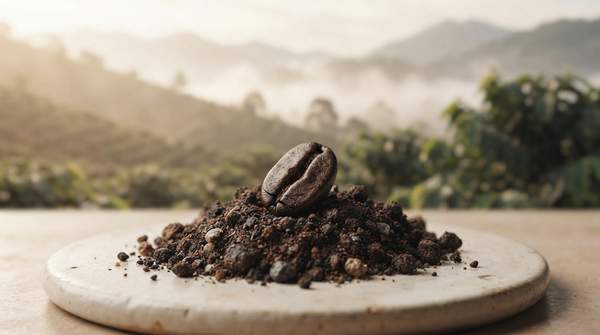
Molecular gastronomy applies scientific principles, focusing on shared volatile compounds for novel pairings. Coffee and garlic, for example, both contain pyrazines, suggesting a surprising harmony, notes the Flavor & Fragrance Journal. This encourages experimentation beyond traditional rules, seeking chemical blueprints.
The Art and Science of Culinary Harmony
The 'sweet spot' for flavor pairing balances shared compounds with contrasting elements, preventing monotony, according to the Culinary Institute of America. This nuanced understanding, now integrated into advanced culinary education at institutions like Le Cordon Bleu, suggests that by Q4 2026, prominent fine dining establishments, including those in the Michelin Guide, will increasingly showcase dishes born from a synergistic integration of chemical blueprints and creative vision, enhancing both artistry and cultural sensitivity for a truly memorable dining experience, as highlighted by Food Philosophy Review.