Fashion

Shanghai Fashion Week Fall 2026 Recap Spotlights Key Designers and Themes

Shanghai Fashion Week Fall 2026 showcased compelling collections from leading designers, solidifying its role as a global fashion capital. The event highlighted both established talents and emerging themes, including deeply personal narratives and Maison Margiela's theatrical closing.

AC
Adrianne Cole

April 2, 2026 · 6 min read

Models on a futuristic runway at Shanghai Fashion Week Fall 2026, showcasing innovative designs by Oude Waag and other key designers, with a vibrant city skyline.

Shanghai Fashion Week Fall 2026 concluded with a notable collection from Oude Waag and a closing spectacle by Maison Margiela, presenting a compelling schedule of runway shows and presentations from key designers.

Shanghai Fashion Week Fall 2026 underscored the city's position as a global fashion capital. The strategic presence of major European brands and institutional support, alongside runway output from internationally recognized houses and Chinese design talent, demonstrated the event's growing influence and a robust, evolving fashion ecosystem.

What We Know So Far

  • The influential designer collective known as the "Shanghai Four," which includes Shushu/Tong, Oude Waag, Samuel Gui Yang, and Mark Gong, remained a primary draw for global press and buyers, according to a report from WWD.
  • European luxury house Maison Margiela concluded the week's events with a show for its Fall 2026 collection, as reported by Fashion Network.
  • Designer Jingwei Yin’s collection for Oude Waag was rooted in personal emotion, exploring themes of loss, rupture, and eventual renewal, WWD reported.
  • Shushu/Tong presented a collection that filtered 1930s Paris through a darker, more sinister aesthetic and notably introduced the brand’s first official menswear range.
  • The Create Hong Kong office of the Commerce and Economic Development Bureau (CCIDA) sponsored industry participation in the Autumn/Winter 2026 edition of Shanghai Fashion Week, according to info.gov.hk.
  • Designer Feng Chen Wang was also among the prominent local talents who presented a Fall 2026 collection during the week, an event covered by Pause Magazine.

Key Designers Showcased at Shanghai Fashion Week Fall 2026

The "Shanghai Four" designers defined the Fall 2026 season, each presenting distinct, mature visions that attracted a global audience. No longer emerging talents, these established voices set a creative agenda, showcasing the strength and originality of Shanghai's contemporary fashion identity.
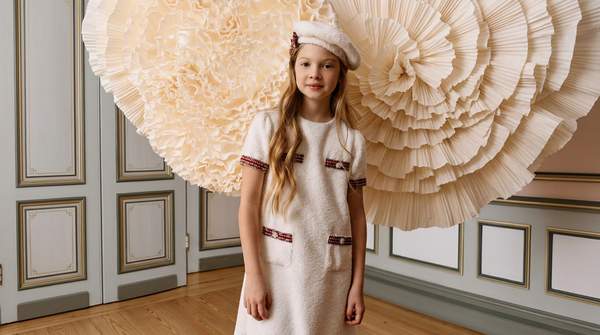

Among them, Shushu/Tong delivered a collection that demonstrated both aesthetic refinement and commercial expansion. The brand’s exploration of 1930s Paris, viewed through what WWD described as a "slightly sinister lens," suggested a move toward more complex and layered storytelling. This thematic depth was matched by a significant strategic development: the unveiling of their first official male range. This expansion into menswear signals a new chapter for the brand, indicating a broadening of its creative universe and market ambitions.

Samuel Gui Yang’s “Dream Forward: Xin Jian” collection reexamined East and West binaries, a recurring theme in his work. Conceived to investigate cultural identity, the collection is "almost like seeing an artist’s painting, you are free to reflect on what you see," Yang told WWD, emphasizing his philosophical, rather than purely aesthetic, approach.

Emerging Fashion Themes from Shanghai Fashion Week Fall 2026

This season, a clear thematic thread of profound personal narrative and emotional vulnerability emerged across collections. Designers moved past surface-level aesthetics to explore more intimate, lived experiences, suggesting a confidence in fashion as a medium for deeper, more authentic communication.

Jingwei Yin’s Oude Waag collection, a meditation on "loss, rupture, and renewal," stemmed directly from the designer's personal upheaval. This emotional candor translated into a raw, resilient collection. "This collection comes from a very personal experience. I went through a lot of struggle, but in the end, I found that to go forward is to accept whatever happens and let life flow," Yin explained to WWD, highlighting a design process rooted in catharsis and creation.

Maison Margiela concluded the week with a powerful statement on anonymity and theatricality. The entire cast wore skull caps, head stockings, or masks, obscuring identity to direct focus onto the intricate construction and conceptual weight of the garments, reinforcing a core tenet of the brand's philosophy.

The show’s staging was equally ambitious. Creative director Glenn Martens constructed an immersive set described by Fashion Network as a maze of shipping containers, transforming the runway into a disorienting, industrial landscape. This level of production elevated the presentation beyond a mere display of clothing into a piece of performance art. The collection itself contained pieces of remarkable artistry, including what one report called an "enveloping gown made of blotched wax cotton" that was deemed certain to one day be featured in a museum, underscoring the house's commitment to fashion as a high art form.

Shanghai Fashion Week Fall 2026 Global Influence on Fashion

Maison Margiela's decision to close Shanghai Fashion Week signals the event's escalating global influence. This strategic acknowledgment highlights the Chinese market's importance as a center of creative energy and cultural relevance, not just a consumer base. It is part of a deeper, integrated strategy.

Maison Margiela's commitment to China extends beyond a single runway show. According to Fashion Network, the brand is expanding its presence through events, exhibitions, and Margiela cafés in four cities. This multifaceted approach demonstrates a long-term investment in building a cultural and commercial footprint, reflecting a broader trend of luxury brands seeking authentic, sustained engagement in the Chinese market.

This growing international stature is also bolstered by significant local and governmental support. The sponsorship of industry participation by the CCIDA, a government body, highlights a coordinated effort to cultivate and promote Hong Kong and mainland China's fashion industry on the world stage. Such institutional backing provides essential infrastructure and resources, helping to ensure that the creative talent showcased at Shanghai Fashion Week has the commercial and logistical support needed to thrive globally. This synergy between creative vision, international partnership, and institutional support is what continues to propel Shanghai's ascent in the global fashion hierarchy.

What Happens Next

With the conclusion of the runway presentations, the industry's focus now shifts to the commercial lifecycle of the Fall 2026 collections. International buyers and editors who attended the week will make their final selections, determining which pieces will ultimately appear in stores and editorials worldwide. The coming months will reveal the commercial resonance of the key trends and collections that debuted.

Several key questions remain. The industry will be watching to see if Shushu/Tong's inaugural menswear range becomes a permanent and successful fixture for the brand, potentially paving the way for other local womenswear designers to expand their offerings. Furthermore, it remains to be seen how the deeply personal and emotionally charged themes presented by designers like Jingwei Yin for Oude Waag will be received by the wider market, which often prioritizes commercial appeal over conceptual depth.

Looking forward, the continued and deepening investment by major global players like Maison Margiela suggests that Shanghai's role is set to expand further. The city is no longer just a destination for brands to sell their wares but a vital platform for creative dialogue and a source of inspiration itself. All eyes will now turn to the next season, which is poised to be an even more critical and influential event on the international fashion calendar.