Design

What Is Japandi Design? A Guide to Harmonious, Functional Interiors

Japandi design offers a compelling blueprint for modern living, fusing Japanese aesthetics with Scandinavian warmth to create tranquil, intentional spaces. Discover how this hybrid style can transform your home into a restorative sanctuary.

LB
Luca Bianchi

April 2, 2026 · 9 min read

A beautifully designed Japandi living room showcasing a blend of Japanese minimalism and Scandinavian warmth, featuring light wood furniture, a neutral color palette, and natural textures, creating a serene and functional space.

In a world saturated with visual noise and constant stimulation, how can our personal spaces offer a genuine sense of tranquility? The answer may lie in what is Japandi design style, a philosophy that quiets the chaos by finding harmony in simplicity. It is an approach that suggests a home can be more than a container for our lives; it can be a restorative environment that nurtures calm and intention. This thoughtful fusion of two distinct cultural aesthetics offers a compelling blueprint for modern living.

The rise of Japandi is not merely a fleeting trend but a direct response to a collective desire for more mindful consumption and a deeper connection to our surroundings. As we increasingly seek refuge from the complexities of the digital age, our homes have become sanctuaries. Japandi design speaks to this need, offering a framework that values craftsmanship, nature, and the quiet beauty of a space that is both functional and soulful. It represents a shift away from disposable decor and toward a more permanent, meaningful relationship with the objects we choose to live with.

What Is Japandi Design?

Japandi design is a hybrid interior style that fuses the timeless minimalism of Japanese aesthetics with the rustic warmth of Scandinavian design. It is not simply a 50/50 split, but a new entity born from shared principles. Think of it as a conversation between two design philosophies that, despite originating thousands of miles apart, discovered they speak the same language of simplicity, functionality, and a profound respect for nature. The result is a look that is minimal yet warm, sophisticated yet inviting, and deeply rooted in the concept of intentional living.

At its core, Japandi amplifies the overlapping values of its two parent styles. According to an analysis by design resource meltflexai.com, this hybrid takes the shared belief in functional beauty and respect for natural materials and elevates it into a distinct style. It balances the Japanese concept of wabi-sabi—finding beauty in imperfection—with the Scandinavian notion of hygge, which evokes a feeling of cozy contentment. The synthesis creates spaces that are uncluttered but not sterile, and comfortable but not overstuffed. Form follows function, but feeling is equally important.

The defining characteristics of Japandi design can be understood through its core components:
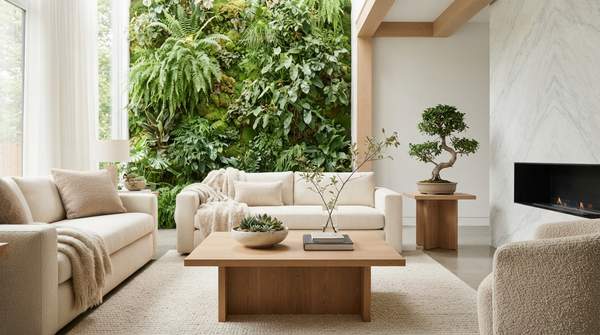
  • Natural Materials: Wood is the foundational element, often featuring a mix of light Scandinavian woods like oak and maple with darker Japanese woods like walnut. These are complemented by other natural materials such as bamboo, rattan, paper, wool, linen, and clay.
  • Functionality and Simplicity: Every object in a Japandi space has a purpose. Furniture features clean lines and is often low to the ground, fostering a connection with the earth. Concealed storage is prioritized to maintain an uncluttered environment.
  • Neutral and Earthy Color Palette: The palette is warm, grounded, and inspired by nature. It moves beyond the stark whites of pure Scandinavian design to embrace muted tones of cream, beige, taupe, stone grey, and earthy accents like sage green, terracotta, and indigo.
  • Craftsmanship and Quality: There is a strong emphasis on well-made, artisanal pieces over mass-produced items. This philosophy encourages investing in furniture and objects that are built to last, celebrating the skill of the maker and the inherent beauty of the materials.
  • Embracing Negative Space: Drawing from the Japanese principle of Ma, Japandi design understands that the empty space around an object is as important as the object itself. This allows each piece to be appreciated individually and contributes to an overall sense of calm and order.
  • Connection to Nature: Indoor plants are used as architectural elements, often sparingly and with sculptural quality. A single, elegant branch in a vase or a carefully placed bonsai can serve as a focal point, reinforcing the link between the interior and the natural world.

Japandi vs. Scandinavian vs. Japanese Minimalism: What's the Difference?

To fully appreciate Japandi, one must understand the distinct philosophies it draws from. While both Japanese and Scandinavian design value simplicity and function, their expressions and historical roots differ significantly. Japandi acts as a bridge, thoughtfully selecting and combining elements from each to create a richer, more nuanced aesthetic.

Japanese minimalism is an ancient practice, deeply rooted in the principles of Zen Buddhism. It is a philosophy that seeks tranquility and clarity by stripping away the non-essential. This is expressed through the concept of wabi-sabi, which finds profound beauty in the imperfect, impermanent, and incomplete. In an interior, this translates to a curated, almost reverent approach to objects. Furniture is typically low-profile, encouraging a connection to the ground. Color palettes are often darker and richer, featuring stained woods, charcoal greys, and inky blacks. The emphasis is on creating a serene, contemplative atmosphere where every element is chosen with deep intention.

Scandinavian design, in contrast, emerged in the early 20th century across Denmark, Norway, Sweden, Finland, and Iceland. It was a democratic movement aimed at creating beautiful, functional products accessible to all. Its aesthetic is shaped by the region’s long, dark winters, which fostered a need for interiors that are bright, airy, and light-filled. This is where the concept of hygge comes into play—a feeling of coziness, comfort, and well-being. Scandinavian interiors are characterized by light-colored woods, white walls, plentiful natural light, and an abundance of soft, warm textiles like wool and shearling. While minimalist in its clutter-free approach, its primary goal is to create a space that feels comfortable, practical, and deeply livable.

Japandi design masterfully navigates the space between these two worlds. It tempers the sometimes austere elegance of Japanese design with the lived-in comfort of Scandinavian style. It adopts the Japanese reverence for craftsmanship and imperfection but renders it in the cozier, more approachable language of hygge. A Japandi room might feature the clean, low lines of a Japanese-inspired sofa but upholster it in a soft, touchable Scandinavian linen. It will mix the light oak of a Scandinavian dining table with dark, wabi-sabi-style ceramic dinnerware. The color palette is richer than pure Scandi but lighter and softer than traditional Japanese interiors. It is this delicate balance—between rustic and elegant, stark and warm, perfect and imperfect—that defines the style. The object speaks for itself, but it also invites you to sit down and stay awhile.

How to Create a Japandi Interior in Your Home

Adopting the Japandi style embraces a mindset of intention and simplicity, rather than rigid rules. It begins with decluttering, removing anything that does not serve a functional or emotional purpose. From this foundation, core elements of the style are layered to build a space that feels both serene and personal. Design experts at Castlery confirm, “Japandi takes two cultures that value intentionality and turns it into a space that feels soothing and practical at the same time.”

First, establish a color palette drawn from nature. Move away from cool, stark whites and toward warmer, more complex neutrals. Think of colors like oatmeal, stone, mushroom, and sand. For contrast, introduce deeper, earthy tones. A report from Apartment Therapy notes that designers favor specific colors for these interiors, including rich olive green, muted terracotta, deep indigo, and soft charcoal. These accents should be used sparingly to create depth without overwhelming the space. The goal is a palette that feels calming and organic, reflecting the natural world.

Next, focus on materials that are tactile and honest. Wood is the cornerstone of Japandi design. Don't be afraid to mix wood tones; the contrast between light birch or oak and dark walnut or ebonized wood creates visual interest and balance. Beyond wood, incorporate other natural textures. A rough-hewn linen throw, a hand-knotted wool rug, bamboo blinds, or a ceramic vase with a matte glaze can add layers of texture that make a minimalist space feel rich and inviting. The key is to celebrate the material in its authentic state.

When selecting furniture, prioritize clean lines, high-quality craftsmanship, and functionality. Japandi furniture is purposeful. Pieces are often low to the ground, which visually enlarges a space and creates a calming, grounded atmosphere. Look for items with multi-use capabilities or hidden storage to maintain a clutter-free environment. Rather than filling a room with many small items, invest in fewer, more significant pieces that are both beautiful and built to last. This approach aligns with a more sustainable mindset, moving away from "fast furniture" and toward objects with permanence, a principle explored in practices like upcycling and sustainable design.

Finally, accessorize with intention. This is where the principles of wabi-sabi and Ma truly come to life. Choose accessories that are handmade, imperfect, or have personal meaning. A slightly misshapen ceramic bowl, a piece of driftwood, or a vintage textile tells a story that mass-produced decor cannot. Arrange these items with care, allowing for plenty of negative space around them. Bring nature indoors with simple, structural plants or branches. A single monstera leaf in a glass vase or a delicate bonsai tree can have more impact than a dense floral arrangement. The goal is not to decorate but to curate.

Why Japandi Design Matters

Beyond visual appeal, Japandi design offers a compelling philosophy for contemporary life. In an era defined by excess and digital distraction, this style champions a return to the essential. It proposes that our well-being is intrinsically linked to the environments we inhabit, asserting that a home designed with intention becomes a powerful tool for mindfulness and restoration. This approach quietly rebels against the culture of more, suggesting true luxury lies in simplicity, quality, and tranquility.

The emphasis on craftsmanship and natural, durable materials in Japandi design promotes a more sustainable way of living. By encouraging investment in timeless, well-made pieces, the style stands in direct opposition to the throwaway culture of fast furniture. It asks us to consider the lifecycle of objects brought into our homes, fostering a deeper appreciation for the resources and human skill required for their creation. This mindset of conscious consumption, similar to the ethos of the Slow Food movement, prioritizes quality and longevity over fleeting trends.

Ultimately, the enduring relevance of Japandi lies in its ability to create a true sanctuary. The blend of Japanese serenity and Scandinavian comfort results in spaces designed not just for looking at, but for living in. These environments are crafted to soothe the senses, calm the mind, and provide a peaceful backdrop for daily life. In a world constantly demanding attention, a Japandi home offers a dedicated place to disconnect, recharge, and reconnect with oneself. It demonstrates that a well-designed space can do more than just house us—it can actively nurture us.

Frequently Asked Questions

What is the main difference between Japandi and minimalism?

Japandi is a specific type of minimalism that is defined by its warmth and texture. While pure minimalism can sometimes feel cold, stark, or impersonal, Japandi incorporates the Scandinavian concept of hygge (coziness) and the Japanese philosophy of wabi-sabi (the beauty of imperfection). This results in spaces that feel layered, soulful, and inviting, using natural materials, soft textiles, and handmade objects to add character and comfort.

Is Japandi expensive to implement?

It can be, but it does not have to be. The core philosophy of Japandi is quality over quantity, which means prioritizing investment in a few well-made, timeless pieces rather than filling a room with inexpensive, disposable items. According to data from meltflexai.com, a simple Japandi refresh for a living room can cost between $300 and $700, while a full-room overhaul might range from $1,500 to $4,500. The key is to build your space slowly and intentionally, choosing pieces that you will cherish for years to come.

Can I mix Japandi with other styles?

Yes, but with careful consideration. Japandi’s foundational principles of simplicity, functionality, and natural materials can blend well with other aesthetics, particularly mid-century modern, which shares a love for clean lines and organic forms. To successfully mix styles, maintain the Japandi ethos of balance and decluttering. Ensure each piece, regardless of its style, has a clear purpose and enough negative space around it to be appreciated, preventing the space from feeling chaotic or unfocused.

What colors are used in Japandi design?

The Japandi color palette is predominantly neutral, muted, and inspired by the natural world. Base colors often include warm, soft shades of off-white, cream, beige, taupe, and stone grey. These are complemented by richer, earthy accent colors that add depth and contrast, such as charcoal, indigo, sage green, and terracotta. The natural tones of various woods—from light oak to dark walnut—are also integral to the overall color scheme, providing warmth and organic texture.

The Bottom Line

Japandi design is more than a fleeting aesthetic; it is a thoughtful approach to creating spaces that foster peace and intentionality. By blending the tranquil elegance of Japanese minimalism with the functional warmth of Scandinavian design, it offers a blueprint for a home that is both a visual delight and a restorative sanctuary. Ultimately, its principles guide us to create environments that are not only beautiful but also deeply supportive of a simpler, more mindful way of life.