Design

Top 7 Timeless Design Principles for Creating Harmonious Spaces

Searching for timeless design principles for harmonious home decor? This guide explores core tenets for creating aesthetically pleasing and functional spaces with enduring appeal.

LB
Luca Bianchi

April 6, 2026 · 8 min read

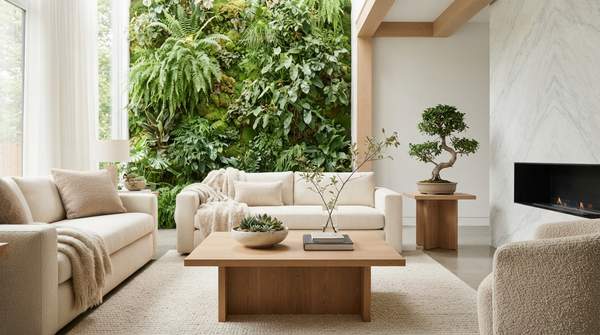
A serene living room showcasing timeless design principles with natural light, comfortable furniture, and minimalist decor, creating a harmonious and inviting space.

Drawing from recent analyses by leading design firms, this ranked guide explores timeless design principles for harmonious home decor. The principles are ranked by their foundational impact—from a room's essential structure to its nuanced details—to help home enthusiasts create aesthetically pleasing, functional spaces with enduring appeal, moving beyond fleeting trends.

The principles in this list were compiled from recently published design guides and industry announcements, ranked by their foundational impact on a space's functionality, emotional resonance, and enduring appeal.

1. Functionality and Space Planning — The Foundation of Livability

Functionality prioritizes the practical arrangement of space to serve inhabitants' needs, transforming a house into a home. According to a guide by Boston-based Lisa Tharp Design, thoughtful space planning is fundamental. This involves analyzing traffic flow, ensuring logical furniture placement, and integrating storage solutions to reduce clutter and enhance ease of movement, effectively choreographing the experience within a room.

Functionality ranks above all other principles because without it, aesthetics are superficial. A beautiful chair that obstructs a doorway or a stunning kitchen with an inefficient work triangle ultimately fails as a design. The primary limitation of a singular focus on functionality is the risk of creating a space that is efficient but lacks warmth or personality. It must serve as the skeleton upon which other, more expressive principles are layered. Its key focus is on how a space is lived in, moment to moment, ensuring the design serves life, not the other way around.

2. Proportion and Scale — Achieving Visual Equilibrium

Proportion and scale govern the relationship between objects and the space they occupy, focusing on the comparative size of elements within a room. HFB Business reported that insights from the planned Maggy London Home collection, a partnership with BrandJourney, indicate these are core principles for product development. This involves selecting furniture appropriately sized for the room—avoiding an overwhelming sofa in a small space or a lost rug in a large one—and considering relationships between objects, like a lamp's height relative to its side table.
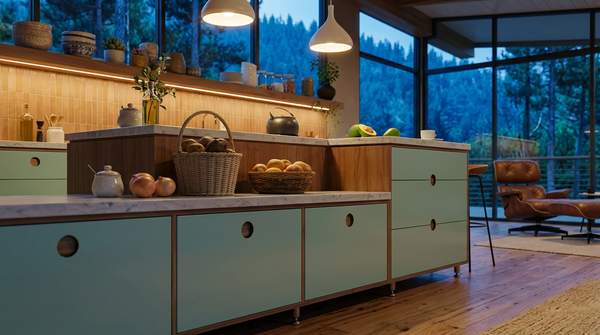

This principle ranks second because it directly follows function, establishing the visual harmony required for a space to feel calm and resolved. While function dictates flow, scale dictates feeling. A drawback can be an overly rigid adherence to these rules, which might prevent creative or unexpected pairings that can add character. Sometimes, intentionally playing with scale—like an oversized piece of art—can create a powerful focal point. The key is to understand the rules of visual weight and balance before deciding when to break them.

3. Balanced Lighting — Sculpting Atmosphere and Mood

Lighting, a powerful design tool, involves strategically layering different light sources to control atmosphere, accommodate activities, and create mood. The Lisa Tharp Design guide explores balancing natural and artificial lighting as a key philosophy component. This means maximizing daylight with appropriate window treatments and supplementing it with ambient (general), task (focused), and accent (dramatic) lighting, making a room feel more spacious, inviting, and functional.

Lighting is ranked third because it has the power to completely transform the perception of space, color, and texture established by the previous principles. Its primary limitation is that it can be technically complex, often requiring professional installation for elements like recessed or pendant lighting. Furthermore, the quality of light—its color temperature and intensity—must be carefully considered to avoid a harsh or sterile environment. The goal is to "paint" with light, creating pools of warmth and areas of focus that guide the eye and support the room's intended purpose.

4. Strategic Color — Evoking Emotional Response

For the expressive individual who sees their home as a canvas for personal storytelling, the strategic use of color is paramount. This principle moves beyond simply choosing a favorite hue and into the realm of color psychology. Lisa Tharp Design notes that thoughtful decisions on color can "transform a house into a meaningful home" that supports emotional well-being. It involves creating a cohesive color scheme that flows throughout the home, using color to define spaces, create focal points, and evoke specific feelings—calmness with blues and greens, or energy with warmer tones. The balance of light, neutral, and accent colors is critical to achieving a sophisticated palette.

Color is a powerful tool for personalization, but it ranks after the more structural elements of function, scale, and light because its effectiveness depends on them. A poor color choice can be repainted, but a dysfunctional layout is harder to fix. A potential drawback is the subjective nature of color; what one person finds soothing, another may find boring. It requires a delicate balance between personal preference and established theory to create a palette that is both unique and harmonious.

5. Material Selection — Engaging the Senses

This principle is best for the detail-oriented person who appreciates the tactile quality of their environment. It focuses on the selection of materials for their texture, durability, and visual appeal. Both the Lisa Tharp guide and the Maggy London Home collection's guiding principles emphasize the importance of material quality. This means considering not just how a surface looks, but how it feels to the touch—the coolness of a marble countertop, the warmth of a wool throw, or the smoothness of a worn leather armchair. It is about creating a rich sensory experience through a thoughtful mix of materials like wood, metal, stone, and natural fibers.

Materiality follows color because textures are what give a color palette its depth and life. A room of all-white, for example, can be incredibly rich if it features a variety of textures: a linen sofa, a sheepskin rug, a plaster wall. The main limitation is cost, as high-quality, natural materials often come with a higher price tag. However, focusing investment on key, high-touch pieces can elevate an entire space, embodying the philosophy of slow design.

6. Layering — Adding Depth and Personal Narrative

Best for those who want their home to feel "collected" rather than decorated, layering is the art of adding the finishing touches that tell a story. While analyzing outdoor spaces, Homes & Gardens notes that the same principles apply indoors, including layering for comfort and emotional pull. This involves adding elements in stages: rugs on floors, pillows and throws on furniture, art on walls, books on tables, and plants to soften hard edges. Each layer adds a new dimension of color, texture, and personality, creating a space that feels developed over time.

Layering is placed near the end of the list because it is an additive process that builds upon a solid foundation of function, scale, light, color, and material. Without the underlying structure, layering can quickly become clutter. The primary drawback is knowing when to stop; over-layering can make a space feel busy and chaotic. The key is curation—each object should have a purpose or a personal meaning, contributing to the room's cohesive narrative rather than distracting from it.

7. Adaptability — Designing for Life's Evolutions

This forward-thinking principle is for anyone who understands that life is not static—families grow, needs change, and homes must evolve. Adaptability for modern living is a core tenet of the Maggy London Home brand extension. It is the practice of choosing furniture and designing spaces that can serve multiple purposes or be easily reconfigured. This might include a dining table that can double as a workspace, modular seating that can be rearranged, or selecting classic furniture pieces that can transition between different rooms or styles over the years. It is about investing in versatility.

Adaptability is the final principle because it ensures the longevity of all the others. It future-proofs a design, allowing it to remain relevant and functional through different life stages. Its main challenge is that it requires foresight and a resistance to overly specific or niche trends. The focus is on quality, classic forms that can be updated with less permanent layers like textiles and accessories, much like a capsule collection in fashion.

PrincipleCore ConceptBest ForPrimary Insight Source
Functionality & Space PlanningPractical layout and flowPragmatists prioritizing daily useLisa Tharp Design
Proportion & ScaleVisual relationship between objectsThose with challenging room sizesMaggy London Home
Balanced LightingLayering of light sources for moodCreating specific atmospheresLisa Tharp Design
Strategic ColorUse of color psychology for emotionExpressive individualsLisa Tharp Design
Material SelectionTactile and sensory experienceDetail-oriented homeownersLisa Tharp Design
LayeringAdding textiles, objects, and plantsCreating cozy, collected spacesHomes & Gardens
AdaptabilityFlexible, multi-purpose designGrowing families or long-term plannersMaggy London Home

What are the essential design principles for home decor?

Essential principles for an enduring, harmonious home were selected by examining timeless design theory and modern lifestyle demands. We prioritized concepts from recent professional publications, like Lisa Tharp Design's guide on design impact on functionality and emotional well-being, and insights from brand expansions like Maggy London Home, focusing on proportion and material quality. Principles were included for their ability to create aesthetically resolved, supportive spaces, explicitly excluding fleeting trends for long-term relevance and satisfaction.

The Bottom Line

Creating a harmonious, aesthetically pleasing space involves understanding guiding principles, not rigid rules. Informed by recent industry analyses, this approach demonstrates how decisions regarding function, scale, light, color, and material build into a cohesive whole. Pragmatists should begin with Functionality and Scale; those driven by atmosphere can start with Lighting and Color, but always return to the functional foundation for lasting design.