If you're looking for the top modern interior tile trends designers use, this ranked guide breaks down the seven most significant approaches shaping contemporary spaces. For design enthusiasts and homeowners aiming to understand how surfaces are evolving, this list evaluates emerging trends based on their architectural versatility, material endurance, and expressive potential. The focus is not on fleeting fads, but on movements that signal a deeper shift in the dialogue between form, function, and feeling in interior design.
This list was compiled by analyzing recent designer showcases and industry reports, ranking trends based on their versatility, durability, and expressive potential in modern interiors.
1. Integrated Tile Furniture — For its architectural redefinition of surfaces
The most foundational trend is one that moves tile beyond its conventional role. According to a report from Tile of Spain, which represents 100 ceramic manufacturers, surface materials are being expanded into integrated, furniture-scale installations. This involves cladding objects like kitchen islands, bathroom vanities, and even sideboards in seamless tile, creating monolithic forms that blend architecture with furnishing. The tile is no longer just a finish; it becomes the structure itself, speaking a language of permanence and cohesion. This approach treats the surface as a continuous plane, unifying the room’s core elements into a singular, sculptural statement.
This trend ranks highest for its ambitious re-imagining of tile’s function. It is best suited for the architectural purist who appreciates clean lines and material honesty. By creating furniture from the same material as the walls or floors, a space achieves a rare sense of visual quiet and integrity. The primary drawback is the complexity and cost of execution, as it requires specialized fabrication and highly skilled installers to achieve seamless joints and durable edges. It is a commitment, both financially and aesthetically, but one that results in a truly integrated and considered environment where the object speaks for itself.
2. Earthy, Single-Pigment Palettes — For its connection to slow design and durability
A focus on grounded, natural color is defining many new ceramic collections. The Tile of Spain report notes a move toward palettes inspired by single-pigment paints and historic artisanal dyes. Hues like umber, terracotta, ochre, and deep chestnut browns are being used to anchor design schemes, creating spaces that feel both elemental and sophisticated. This trend is less about a specific color and more about a chromatic philosophy—one that values subtlety, warmth, and a connection to the natural world. The colors are muted but rich, providing a backdrop that is calming without being sterile.
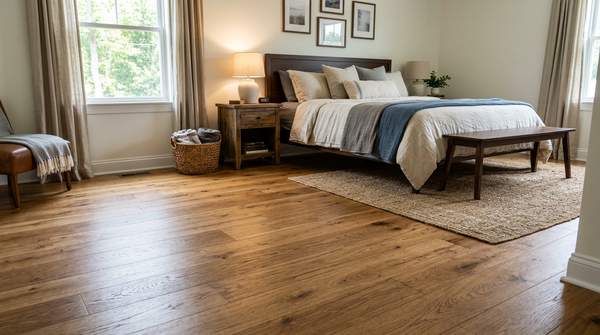
Ranking just below the architectural application of tile, this trend is prioritized for its emphasis on longevity and sustainability. It is ideal for those who subscribe to a "slow design" ethos, seeking materials and colors that will endure for decades. Ceramic and porcelain tiles, with life spans that can exceed 60 years, are a natural fit for this philosophy. This trend’s advantage over more vibrant color schemes is its inherent timelessness. The limitation, however, is that its subtlety may not appeal to those desiring high-contrast, graphic interiors. The focus is on texture and nuanced tone, which requires careful lighting and material pairing to bring to life.
3. Revival of Classic Patterns — For its enduring visual structure
While innovation is prevalent, designers are also turning to the enduring appeal of classic layouts. According to a report by StyleBlueprint, patterns like checkerboard are trending, offering a familiar visual rhythm that can be reinterpreted in modern contexts. This is not simple nostalgia; it is an appreciation for geometric principles that have proven their staying power. The trend also extends to natural stone with bold, expressive veining, where the material’s inherent pattern provides visual interest. These classic approaches provide structure and a sense of history to a room, grounding more contemporary elements.
This trend is ranked for its ability to balance tradition with modernity, making it a versatile choice for a wide range of aesthetics. It is best for the homeowner who seeks visual interest that is rooted in established design principles, ensuring it will not feel dated in a few years. It ranks above more decorative trends because its appeal is based on form and geometry rather than novelty. The main drawback is the risk of appearing overly traditional if not executed with a modern sensibility. Success depends on the surrounding context—pairing a classic checkerboard floor with minimalist cabinetry, for instance, creates a compelling dialogue between old and new.
4. Layered Materials and Finishes — For its creation of textural depth
Designers are increasingly treating tile as one element in a larger material collage. StyleBlueprint reports a trend of layering different materials, shapes, and finishes within a single space to create depth and visual intrigue. This could manifest as a bathroom where matte ceramic subways on one wall meet a polished, veined marble on another, with a floor of textured porcelain. The goal is to build a rich tactile experience, engaging the senses beyond the purely visual. It’s a departure from monolithic design, instead celebrating the interplay between disparate but complementary surfaces.
Combining matte, gloss, textured, and smooth finishes manipulates light and shadow, creating a dynamic, multi-dimensional space with high customization potential. This sophisticated approach, ideal for the design-savvy, requires a confident, disciplined eye. Without a clear hierarchy or unifying color palette, layering materials risks a busy, disjointed feel instead of intentional complexity.
5. Immersive Color Washing — For its bold, enveloping effect
The concept of "color washing," or wrapping an entire room in a single, saturated hue, is a significant trend, and it now includes tile. Designers are using a single tile to cover floors, walls, and sometimes even ceilings to create a powerful, immersive experience. As StyleBlueprint notes, "Using a single tile throughout the space gives it the same unified effect of a painted wall, yet it is richer and more textural." This technique is particularly effective with rich, saturated colors, turning a functional space like a bathroom or powder room into an intense, jewel-box environment.
Color washing, by eliminating visual breaks, makes small rooms feel more expansive and cohesive, creating a confident, dramatic statement. Its intensity is a drawback: a bold color can be overwhelming and a significant commitment due to tile's permanence. Success depends entirely on selecting the right hue for the room's lighting and scale.
6. Wallpaper-Effect Patterns — For its playful, graphic character
Another reported trend involves using all-over tile patterns to create a wallpaper-like effect. This approach is especially popular in smaller spaces like guest bathrooms or laundry rooms, where a bold pattern can add character without overwhelming the home's primary living areas. StyleBlueprint reports this as a "fun trend," often executed in soft, neutral colors to keep the overall feeling light and sophisticated. The patterns can range from delicate florals to repeating geometric motifs, offering a more durable and water-resistant alternative to traditional wallpaper.
Injecting playfulness and personality into secondary spaces, this trend offers versatility in pattern and scale for expressing a distinct aesthetic. However, like bold wallpaper, prominent patterns are subjective and may date quickly compared to solid colors or classic geometrics. Their intricate nature also demands precise installation, increasing labor costs.
7. Artisanal and Historic Tiles — For their narrative and craft
A renewed appreciation for craftsmanship has led to the return of historic tile forms. According to a Good Housekeeping report, Delft tiles—traditionally white tiles with hand-painted blue motifs—are making a stylish return. Designers value them for their "old-world authenticity" and narrative quality. In one project, design firm Studio DB used an assortment of these tiles to cover a kitchen range. Designer Sherrell Neal told the publication they feel "storied, artistic, and far more expressive than traditional glazed, solid-colored tiles."
"Each [tile] carries the hand of the artist and a sense of history that feels grounding," noted Damian Zunino of Studio DB, highlighting the uniqueness valued by connoisseurs of history and artistry. This trend, while specific and often costly, is ranked last due to accessibility: authentic, hand-painted tiles are expensive with long lead times. They are best suited for smaller, high-impact areas like fireplace surrounds or kitchen backsplashes, appreciated as functional art.
| Trend | Category | Key Attribute | Best For |
|---|---|---|---|
| Integrated Tile Furniture | Architectural Application | Monolithic, seamless form | Architectural purists seeking cohesion |
| Earthy, Single-Pigment Palettes | Color & Material | Durability and natural tones | Advocates of "slow design" |
| Revival of Classic Patterns | Pattern | Enduring geometric appeal | Balancing tradition and modernity |
| Layered Materials and Finishes | Texture & Composition | Tactile depth and complexity | Creating sophisticated, multi-dimensional spaces |
| Immersive Color Washing | Color Application | Bold, unifying effect | Making a dramatic statement |
| Wallpaper-Effect Patterns | Pattern | Playful, graphic character | Injecting personality into smaller rooms |
| Artisanal and Historic Tiles | Material & Craft | Narrative and hand-finished quality | Lovers of craft and history |
How We Chose This List
Prioritizing aesthetic appeal and functional longevity, trends were selected from recent reports by industry groups like Tile of Spain and design-focused publications. We excluded micro-trends, focusing on broader movements in modern interior surface design. The ranking reflects a hierarchy from foundational, architectural shifts (e.g., tile as furniture) to more decorative, stylistic applications.
The Bottom Line
Interior tile trends show a clear movement toward expressive, enduring surfaces. Integrated tile furniture offers a fundamental design shift, redefining object-space relationships. For timeless appeal, earthy palettes and classic patterns provide a solid foundation; for expressive character, consider immersive color washing or artisanal Delft tiles.