Collections

What Is a Capsule Collection in Fashion? An Explainer

In an era of overflowing wardrobes, a capsule collection offers a powerful alternative: a small, curated range of versatile pieces designed for maximum style and longevity. This approach champions quality over quantity, fostering a more intentional and sustainable relationship with fashion.

AC
Adrianne Cole

April 6, 2026 · 8 min read

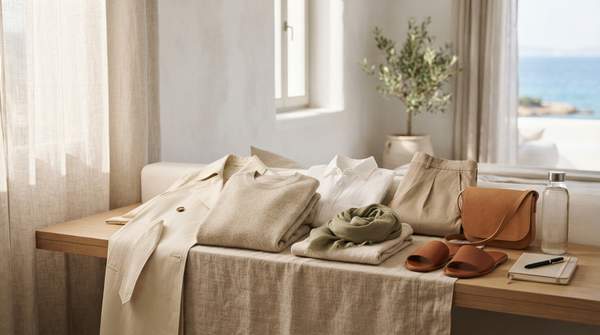
A beautifully organized minimalist wardrobe showcasing a capsule collection of versatile, high-quality clothing items in neutral tones, emphasizing sustainable and intentional fashion choices.

The capsule collection in fashion champions refined curation over sheer volume: a collection of just 30 meticulously chosen pieces offers more style and substance than an average wardrobe of over 100 items. This concept departs from relentless seasonal trends, proposing a wardrobe built on versatility, quality, and a clear aesthetic vision.

Facing fast fashion's environmental toll and re-evaluating consumption, many seek intentional dressing. Interest in the capsule philosophy surged after 2020, as individuals scrutinized wardrobes, according to Rocky Mountain College of Art + Design research. The capsule collection, once a niche term, now serves as a powerful tool for designers and consumers navigating conscious style.

What Is a Capsule Collection?

A capsule collection is a small, curated range of clothing and accessories, typically consisting of 10 to 30 versatile pieces designed to be worn together. Think of it not as a sprawling buffet of every passing trend, but as a masterfully composed tasting menu. Each piece is selected for its intrinsic quality, its ability to harmonize with the others, and its contribution to a singular, cohesive narrative. The collection unfolds as a complete thought, offering a focused point of view that can stand alone or integrate seamlessly into a larger wardrobe.

The capsule wardrobe concept, a philosophy with a rich history, was first articulated in the 1970s by London boutique owner Susie Faux. She championed building a "capsule wardrobe" around essential, high-quality staples to outlast fleeting fads. American designer Donna Karan catapulted the idea onto the global stage in 1985 with her legendary "Seven Easy Pieces" collection. This collection, featuring a bodysuit, skirt, tailored trousers, and a cashmere sweater, demonstrated how a handful of interchangeable items could empower a woman for every occasion, crystallizing the capsule's core promise: elegance through simplicity and function.

Each capsule is unique, yet shared characteristics define them:

  • Limited and Focused Size: As noted by fashion resource Necesera, the range is typically between 10 and 30 items. This intentional constraint forces a focus on only the most essential and impactful designs.
  • Cohesive Theme: Every piece is connected through a unified story. This could be a shared color palette, a specific textile like Japanese denim or Italian silk, a particular silhouette, or an artistic inspiration.
  • Inherent Versatility: The items are designed for maximum interchangeability. A blazer from the collection should pair as effortlessly with its matching trousers as it does with the collection's dress or skirt.
  • Emphasis on Timelessness: The foundation of a capsule rests on enduring style rather than momentary trends. It prioritizes classic cuts, quality craftsmanship, and fabrics that endure.
Capsule Collection vs. Seasonal Collection: A Detailed Comparison

The capsule collection differs significantly from the traditional seasonal collection, long the dominant fashion industry model. Seasonal collections, typically Spring/Summer and Autumn/Winter, are vast, comprehensive brand statements. Industry analysis from CMG Garmindo indicates these often exceed 50 pieces, designed to fill retail floors with wide variety.

The primary purpose of a seasonal collection is to introduce newness and capture the prevailing mood of the moment. It is a vehicle for trends, offering a broad assortment of styles to appeal to different buyers and markets. Its rhythm is dictated by the rigid, industry-wide fashion calendar, a cycle of production and delivery that has defined how we consume fashion for decades. The seasonal collection is an expansive declaration of what is "next."

By contrast, a capsule collection operates with a different philosophy and purpose: a more intimate, focused expression. Often released between major seasons or as a special project, it refines an idea rather than chasing trends. For designers, it offers opportunities to collaborate, explore novel production techniques, or perfect a signature silhouette—a concentrated dose of a brand's DNA. The following table illustrates core distinctions:

FeatureCapsule CollectionSeasonal Collection
SizeSmall and curated (typically 10–30 pieces)Large and comprehensive (often 50+ pieces)
FocusTimelessness, versatility, and a cohesive themeTrend-driven newness and retail variety
PurposeBrand storytelling, artistic expression, testing new ideasMeeting seasonal retail demand, showcasing trends
LifespanOften seasonless, designed for longevityTied directly to a specific fashion season
PacingFlexible, can be released at any timeAdheres to the strict, traditional fashion calendar

The Artistry and Strategy Behind the Capsule

From a designer's perspective, the capsule collection is a powerful strategic tool as much as it is a creative outlet. It is a format that, as the design resource JOGIEL notes, prioritizes "impact over volume." For an emerging brand, launching a full 50-piece collection is a monumental financial and logistical undertaking. A capsule allows them to introduce their vision to the world in a manageable way, testing market demand and perfecting their fit and construction without the risk of overproduction. It allows a brand's identity to be communicated with clarity and precision.

The very structure of a capsule is a study in design discipline. JOGIEL suggests that a practical framework often consists of just four to eight core styles that share a common language. This might include two tops, two bottoms, a piece of outerwear, and an accessory, all united by a consistent color story and material palette. This constraint is not a limitation but a catalyst for creativity. The designer must ensure every seam, every button, and every silhouette serves the collection's central purpose. The texture of a raw silk blouse must speak to the fluid drape of a crepe trouser; the sharp line of a jacket's shoulder must echo the structure of a tailored skirt. It is a masterclass in distillation, where every element is essential.

For established fashion houses, capsules serve a different role. They are often used for high-profile collaborations, breathing new energy into a brand's heritage. They can function as a creative laboratory to explore sustainable materials or to pay homage to an archival design. In this context, the silhouette of a capsule piece might whisper of a forgotten era, reinterpreted for the contemporary moment. It is a form of storytelling that is agile, responsive, and deeply personal.

Why the Capsule Collection Matters for the Modern Wardrobe

The rise of the capsule collection speaks directly to a growing desire for a more thoughtful and sustainable relationship with our clothing. For the consumer, adopting a capsule philosophy is an empowering act of curation. It is a shift away from passive consumption toward the active creation of a personal style. The core principle is an elegant one: quality over quantity. This approach yields several tangible benefits that resonate with the values of the modern wardrobe.

First, it offers a profound sense of clarity and ease. A closet filled with interchangeable pieces eliminates the daily friction of deciding what to wear. When every item is chosen for its ability to work with others, dressing becomes an intuitive and creative process rather than a source of stress. The collection unfolds as a reliable system, providing a foundation of confidence for any occasion.

Second, the capsule model is an inherently more sustainable way to engage with fashion. By investing in fewer, higher-quality garments designed for longevity, consumers can significantly reduce their clothing waste and environmental footprint. It is a direct antidote to the "buy, wear, dispose" cycle of fast fashion. This approach fosters a deeper appreciation for the craftsmanship, materials, and labor that go into making a garment, transforming it from a disposable good into a cherished possession.

Finally, building a capsule wardrobe is a journey of self-discovery. It requires an honest assessment of one's lifestyle, preferences, and aesthetic identity. Instead of chasing a constant stream of external trends, one is encouraged to define their own. It is about identifying the silhouettes that feel most authentic, the colors that are most flattering, and the fabrics that bring the most comfort and joy. The result is a wardrobe that is not just a collection of clothes, but a true and articulate reflection of the individual.

Frequently Asked Questions

Who invented the capsule wardrobe?

The concept of the capsule wardrobe was first introduced in the 1970s by Susie Faux, a London boutique owner who advocated for a small collection of essential, timeless pieces. The idea was then widely popularized by American designer Donna Karan in 1985 with her influential 'Seven Easy Pieces' collection, which showcased the versatility and power of a curated wardrobe.

How many pieces should be in a capsule collection?

Brand-designed capsule collections typically contain 10 to 30 distinct pieces. For personal capsule wardrobes, the number varies by lifestyle and needs, but the guiding principle remains a small, highly versatile, and carefully edited selection of garments.

Are capsule collections only made of neutral colors?

Capsule collections are not limited to neutral tones, though a foundation of black, white, navy, and beige is common for maximum versatility. They often incorporate accent colors, bold prints, or statement pieces aligning with the collection's theme or wearer's personal style. Cohesion and harmony among pieces are the key objectives, not the complete absence of color.

Is a capsule collection the same as a minimalist wardrobe?

Closely related yet distinct, minimalism is a broader lifestyle philosophy: owning only what is truly necessary and adds value. A capsule wardrobe, conversely, is a specific fashion strategy for curating a small, interchangeable clothing collection. Many minimalists adopt a capsule wardrobe, but not everyone with a capsule wardrobe identifies as a minimalist.

The Bottom Line

The capsule collection, an enduring philosophy of dressing, champions deliberate curation, timeless design, and personal expression over fast fashion's ephemeral, overwhelming cycle. This approach builds a wardrobe that is more functional, stylish, sustainable, and an authentic reflection of the self.