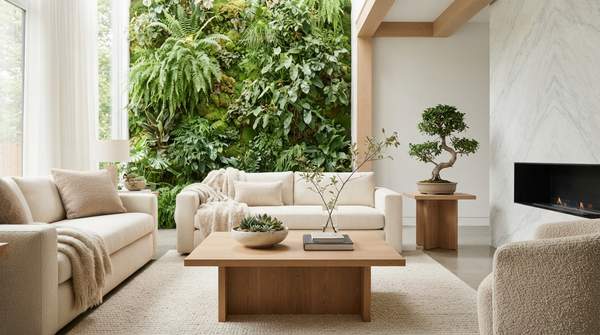
Urban living correlates directly with poorer physical and mental health, a stark contrast to green spaces' restorative qualities. This disparity increases stress and reduces well-being for city dwellers. Biophilic design offers a path to mitigate these negative impacts.
Biophilic design demonstrably improves psychological states and offers clinical benefits for chronic conditions. Yet, its application in crucial residential settings remains largely ignored. This oversight leaves urban residents vulnerable to health decline, despite readily available solutions.
Companies and individuals prioritizing natural elements in built environments gain a significant advantage in well-being and productivity. Neglecting these principles exacerbates occupant health challenges, missing a vital opportunity for continuous care in residential spaces.
What is Biophilic Design?
Biophilic design integrates natural elements and processes into human-made environments. It moves beyond adding plants, applying humanity's innate connection to nature to building design. This integration aims to improve occupant health, productivity, and well-being.
Extensive research underpins this practice. A literature review confirms biophilic design is not merely aesthetic but a scientifically-backed approach to integrating nature, according to ScienceDirect. This review affirms evidence supports the design principles, moving beyond subjective preference to measurable outcomes.
The Direct Impact on Your Mind
Natural elements profoundly shape our emotional and cognitive experiences. Biophilic design positively affects self-reported psychological states, including inspiration, according to PMC. Designs lacking these qualities have an adverse effect.
Thoughtful integration of nature enhances mental clarity and fosters calm. Design moves beyond decoration, directly influencing mood and cognitive function. Natural light, materials, and views transform spaces into supportive settings for mental well-being.
Beyond Aesthetics: Clinical Benefits
Biophilic design transcends aesthetics, acting as a targeted clinical intervention. Integrating biophilic interventions with interior design, light therapy, relaxation, mindfulness, music, physical activities, aromatherapy, and quality sleep offers clinical benefits, according to PMC. These include reducing migraine headaches, chronic pain, and improving depressive symptoms.
This holistic approach positions biophilic design as a powerful complementary therapy. Its ability to reduce symptoms like migraines and chronic pain is counterintuitive, often perceived as merely aesthetic. Homes, therefore, could become powerful therapeutic environments for managing chronic conditions.
A Strategic Investment in Health and Economy
Implementing biophilic design in workplaces, healthcare facilities, schools, and neighborhoods yields profound health and economic benefits, according to Terrapin Bright Green. This makes biophilic design a strategic investment, with tangible returns in human health and economic productivity.
The contrast between biophilic design's recognized benefits in workplaces and healthcare and its neglect in residential contexts reveals a profound market failure. Companies and policymakers ignoring biophilic integration in urban residential developments condemn city dwellers to preventable health declines, missing a critical opportunity to mitigate urban living's negative health impacts.
Why Aren't Our Homes More Biophilic?
What are the key elements of biophilic design?
Key biophilic elements include direct and indirect nature connections: natural light, ventilation, water features, plants, and materials. It also encompasses non-rhythmic sensory stimuli like varied sounds and textures, plus prospects and refuges offering views and safe spaces. These elements mimic beneficial natural landscapes.
How does biophilic design improve well-being?
Biophilic design improves well-being by reducing stress, enhancing cognitive function, and fostering positive emotions. For those with chronic conditions, homes could become powerful therapeutic environments. Yet, residential biophilic adoption is lacking, leaving continuous, non-pharmacological support largely unavailable. This is a critical missed opportunity for ongoing care.
Examples of biophilic design in buildings?
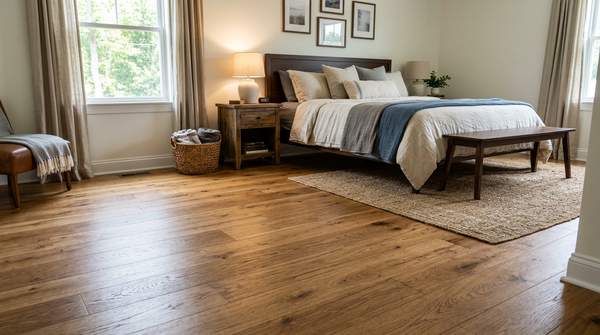
Examples include living walls, indoor gardens, strategically placed windows, and wood or stone finishes. While benefits are acknowledged in healthcare and workplaces, residential biophilic interior design receives less attention for chronic disease management, according to PMC. This oversight misses an opportunity to leverage proven design for daily health in personal spaces.
Designing for a Healthier Future
By Q3 2026, developers and urban planners failing to integrate biophilic design principles into new residential projects risk diminishing occupant well-being and missing competitive advantages in a market increasingly valuing health-conscious living. The opportunity for companies like Habitat Innovations to lead in this space is clear, offering solutions that merge aesthetic appeal with demonstrable health benefits for urban residents.