When asked to choose their ideal study environment, students overwhelmingly select blue interiors, a preference directly linked to enhanced calm and focus. A consistent choice across diverse groups reveals a significant, often subconscious, connection between specific colors and desired cognitive states. The human response to blue suggests its influence extends far beyond mere visual appeal, actively shaping our mental landscape in measurable ways and influencing our ability to concentrate and assimilate information effectively. The phenomenon of color's impact challenges conventional approaches to environmental design by highlighting an objective, rather than purely subjective, impact of color.
Interior design often prioritizes personal aesthetic preference, allowing clients to choose colors based on individual taste and current trends. However, scientific research consistently demonstrates that specific colors, like blue, evoke predictable emotional and cognitive responses. A fundamental tension exists between subjective design choices, driven by personal aesthetics, and the objective, performance-enhancing principles of environmental psychology. The disconnect suggests that many spaces might be missing opportunities to optimize for human well-being and productivity.
Integrating color psychology into design practices can transform spaces from merely decorative to functionally optimized for human well-being and productivity. This approach moves beyond arbitrary choices, leveraging proven principles to craft environments that actively support specific human activities and moods. By understanding and applying the psychological impact of color, designers can create spaces that not only look appealing but also actively contribute to the occupants' cognitive performance and emotional stability, making design a strategic tool for human benefit.
Beyond Aesthetics: The Scientific Impact of Color on Mood and Function
Early research into color’s psychological effects often utilized controlled laboratory methods, such as changing physical wall colors or employing 2D displays, to measure subjective emotional states and task performance, according to Nature. These controlled environments allowed researchers to isolate color as a specific variable, observing its direct influence on participants without external distractions. Such precise methodologies have been crucial in establishing a scientific basis for color psychology, moving beyond anecdotal observations to empirical evidence.
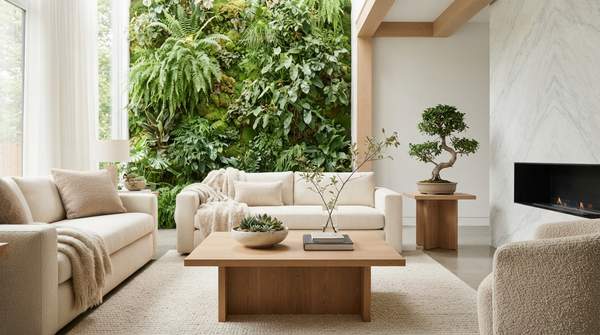
Students showed a distinct and overwhelming preference for blue interiors when selecting their ideal study spaces, followed by green, violet, orange, yellow, and red, according to pmc. This strong inclination for blue was not arbitrary; a significant relationship was found between a calm mood and this specific color preference. Furthermore, blue as an interior color was consistently considered to facilitate studying activity, directly linking a chosen hue to enhanced cognitive function and a conducive learning atmosphere. This correlation points to a predictable human response that designers can strategically employ.
Color is a powerful, measurable tool for influencing human emotions, cognitive performance, and even navigation within designed spaces, as demonstrated by these studies, moving beyond purely aesthetic considerations. The findings suggest that color is not merely a decorative element but a functional component of any environment. Based on pmc’s findings that blue facilitates studying and calm moods, it appears educational institutions and workplaces are actively undermining productivity by allowing purely aesthetic color choices, rather than leveraging these scientifically proven palettes for optimal user experience.
The overwhelming preference students exhibit for blue in study environments is not merely a matter of taste; it is a direct, subconscious seeking of a calm state conducive to effective learning. An innate human response to specific hues, rather than a learned or culturally-specific association, indicates a deeper biological or psychological underpinning. The consistent link between blue, calm, and studying implies that interior designers possess a powerful, yet often underutilized, tool to directly influence user performance and well-being, extending far beyond purely aesthetic considerations to impact functional outcomes.
Despite the common belief that color's impact is highly individual and subjective, early research conducted in controlled lab environments shows a consistent, measurable physiological and cognitive response to colors like blue. The body of evidence suggests a universal rather than culturally-specific effect, challenging the notion that color perception is solely a matter of personal interpretation. While common interior design practice often prioritizes individual aesthetic preferences, allowing clients to choose colors based on personal taste, research from pmc indicates that specific colors, like blue, consistently facilitate desired cognitive states such as calm and enhanced studying activity. A significant disconnect exists between subjective design choices and objective, performance-enhancing environmental psychology, where scientific evidence points to predictable outcomes.
Designers who ignore the psychological impact of color are missing a critical, measurable lever for enhancing user performance and well-being. Reducing design to mere decoration overlooks its potential as a strategic element for environmental optimization, as suggested by the consistent preference for blue in study environments, detailed by pmc. Incorporating color psychology allows designers to transition from simply beautifying spaces to actively contributing to the occupants' mental clarity, emotional balance, and overall effectiveness within those environments.
The consistent association of blue with calm and enhanced studying activity provides a clear directive for interior designers seeking to optimize functional spaces. By moving beyond subjective preferences and current trends, designers can intentionally craft environments that support specific cognitive and emotional outcomes. Intentional application transforms spaces into powerful tools for improved focus, reduced stress, and sustained mental effort, making design a proactive force for human benefit rather than a reactive aesthetic choice.
Blue interiors, therefore, are not merely a subjective aesthetic choice but a scientifically proven catalyst for enhanced calm and focus. Blue interiors are an essential design element for environments demanding sustained cognitive effort, such as educational institutions, libraries, and various professional workspaces where concentration is paramount. The strategic use of color can directly contribute to the occupants' ability to concentrate for longer periods, retain information more effectively, and maintain a state of mental equilibrium necessary for complex tasks. Scientific understanding elevates color from a decorative detail to a core component of functional design.
The implications extend to any setting where mental clarity is valued. From a home office to a corporate training room, the deliberate choice of blue tones can cultivate an atmosphere that supports deep work and analytical thought. A nuanced understanding of color's influence provides designers with a powerful, underutilized tool to directly impact user performance and well-being, moving beyond purely aesthetic considerations to a more evidence-based approach.
Individuals inhabiting well-designed spaces, particularly those incorporating principles of color psychology, stand as clear and direct beneficiaries. Such environments can foster improved mood, heightened focus, and significantly reduced stress, leading to better overall well-being and productivity. Such environments directly impact a wide range of occupants, including students striving for academic success, employees aiming for higher output, and anyone seeking a more peaceful and effective personal environment. The positive effects are tangible, influencing daily experiences and long-term outcomes.
Conversely, spaces designed without psychological considerations risk becoming suboptimal environments that inadvertently impede occupants' mood and productivity. Failing to consider color's proven impact can inadvertently create settings that induce restlessness, diminish concentration, or contribute to feelings of anxiety. This oversight can lead to decreased efficiency and increased discomfort for those who occupy these spaces. The "loser" in this scenario is not just the individual, but also the institution or company that fails to capitalize on environmental optimization.
Interior designers who actively leverage color psychology principles gain a significant professional advantage, delivering measurable value beyond purely visual appeal. By integrating science into their practice, they can offer clients not just beautiful spaces, but also environments that are demonstrably more effective for their intended use. This elevates the role of the designer to that of a strategic partner in creating spaces that genuinely enhance human experience and performance.
What are the best colors for a calm bedroom?
For a calm bedroom, soft blues and greens are often recommended for promoting relaxation, according to Stoneside. These hues contribute to a serene atmosphere, aiding in rest and tranquility. Light grays and muted lavenders can also create a soothing environment.
Which colors promote productivity in an office?
While blue aids focus and concentration, as indicated by pmc research, other colors can also contribute to productivity depending on the task. Shades of green, for example, can foster creativity, and yellow can introduce energy and optimism, making them suitable for collaborative or dynamic office zones, Stoneside suggests. The optimal choice depends on the specific cognitive demands of the workspace.
How to use color psychology in home decor?
To effectively apply color psychology in home decor, consider the primary function and desired mood for each room. While blues promote calm and focus, as highlighted by pmc research, vibrant reds, according to Stoneside, can stimulate energy and appetite in dining areas. This strategic selection moves beyond personal taste to optimize functional spaces.
The imperative for designers is to move beyond mere aesthetic choices and fully embrace the measurable, scientific impact of color psychology. By integrating these robust findings on color, design can directly influence user performance and well-being in significant ways. This shift represents an evolution in design philosophy, from art to applied science.
For example, educational institutions prioritizing cognitive benefits could standardize blue palettes in their study zones by late 2026, based on consistent research from sources like pmc. This proactive implementation would ensure that learning environments are not just visually appealing but also functionally optimized to support concentration, reduce anxiety, and enhance academic achievement for thousands of students. This strategic approach to color ensures spaces are not just visually appealing but also functionally optimized for human flourishing and sustained cognitive effort.