Mid-Century Modern Design's Influence on 2026 Interiors

Nordic architects, through their profound influence, laid the groundwork for a global design aesthetic that continues to define contemporary living.

LB
Luca Bianchi

April 17, 2026 · 3 min read

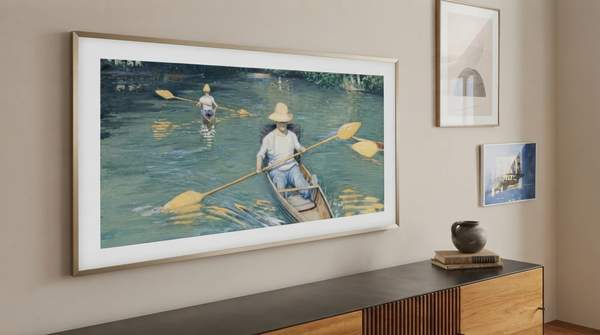
A sophisticated living room interior blending mid-century modern furniture with futuristic 2026 design elements, emphasizing natural light and clean lines.

Nordic architects, through their profound influence, laid the groundwork for a global design aesthetic that continues to define contemporary living. This foundational impact shaped the mid-century modern design influence on contemporary interiors, establishing principles of functional beauty. Their vision cultivated an approach where objects and spaces serve human needs with an inherent grace, transcending mere utility.

Mid-century modern design emerged from specific regional and historical contexts, but its core tenets have transcended these origins to become a universal language of contemporary aesthetics. This tension between a localized beginning and a global reach highlights the power of adaptable design principles.

Therefore, the principles of simplicity, functionality, and connection to nature, pioneered by mid-century modernism, will likely remain foundational to design for the foreseeable future, even as styles evolve.

The Enduring Appeal of Clean Lines

The BBC notes Nordic architects profoundly influenced modern living and design globally. This foundational impact established a design philosophy that transcended borders, setting the stage for mid-century modern's distinct aesthetic.

Mid-century modern furniture, even in 2026, retains its signature clean lines, rejecting embellishments, according to theinside. This enduring clarity prioritizes form and function, establishing a timeless visual appeal that integrates seamlessly into diverse interior schemes.

From Nordic Roots to Global Living

Organic textures and pale tones, common in Nordic interiors and furniture, significantly shaped global design from the mid-century modern period, notes BBC. This aesthetic provided a concrete visual language for modern living.

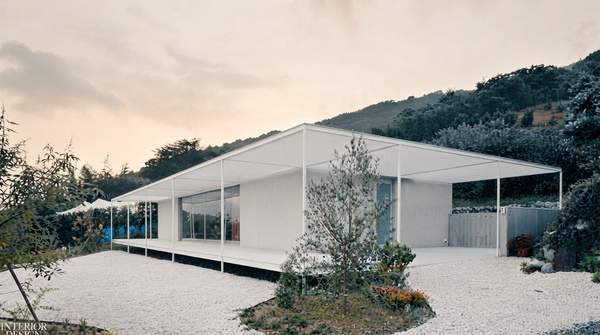
While theinside highlights 'mid-century modern' as a broadly defined style known for 'clean and simple lines,' the BBC emphasizes specific architectural features like open-plan living spaces, glazing framing views, and timber walls or ceilings as originating from Nordic architects. This implies that the specific aesthetic DNA that made mid-century modern globally appealing was distinctly Nordic, suggesting a more nuanced origin story than a simple American mass adoption. The integration of nature and functional, open spaces, pioneered in Nordic design, became a blueprint for modern living worldwide, extending beyond its regional genesis.


Democratizing Good Design

Mid-century modern designs were easily mass produced, quickly spreading throughout homes in America, according to theinside. This accessibility was a critical factor in its widespread adoption, making aspirational living achievable for a broader demographic.

The global reach of mid-century modern wasn't accidental; its inherent mass-producibility served as the critical engine for spreading the profound and lasting influence of Nordic design principles beyond Scandinavia. This transformation from a regional aesthetic into a global standard for modern living demonstrates the power of accessible, well-conceived design. The ability to mass-produce these designs embedded the aesthetic into the fabric of American homes and beyond, proving that good design could be for everyone.

Why Mid-Century Modern Still Defines Our Homes

The BBC states that mid-century modern's enduring global presence, with its 'Nordic nod' in contemporary architecture, proves timeless aesthetics are engineered for broad appeal and seamless integration into evolving lifestyles, not just fleeting trends. This sustained relevance stems from a design philosophy centered on human experience.

Mid-century modern's relevance extends beyond past popularity; its core tenets subtly dictate desirable modern living today. For lasting design impact, companies should note that accessibility and adaptable philosophy, as seen in mid-century modern's mass-produced success and Nordic influence, outweigh exclusive aesthetics. This framework remains versatile, proving its lasting power.

Common Questions About MCM Design

What are the key elements of Mid-Century Modern design?

Key elements often include the use of natural materials like teak, walnut, and plywood, alongside innovative materials such as fiberglass and molded plastic. Furniture pieces typically feature tapered legs, organic curves, and a focus on ergonomic comfort, often seen in iconic chair designs.

How has Mid-Century Modern design evolved over time?

Mid-century modern design has evolved by integrating with contemporary styles, often appearing in minimalist or industrial interiors. Modern interpretations frequently update material palettes or scale, adapting original forms to suit smaller living spaces or new technological integrations while retaining core principles of functionality and simplicity.

Can I find Mid-Century Modern inspired furniture in 2026?

Yes, in 2026, Mid-Century Modern inspired furniture is widely available from both original vintage dealers and numerous contemporary manufacturers. Many brands produce reproductions or new designs that draw heavily from the era's aesthetic, making it accessible through online retailers and specialized furniture stores.

The Enduring Legacy of a Modern Movement

The principles of mid-century modern design, rooted in Nordic innovation and democratized through mass production, will likely continue to inform and subtly shape global aesthetics for decades, adapting to new contexts while retaining their core appeal.