The fashion industry, once defined by four distinct seasonal collections, now churns out 52 'micro-seasons' annually, fundamentally reshaping how clothes are designed, sold, and consumed. This relentless acceleration exposes consumers to new trends weekly, fueling a constant purchasing cycle previously unimaginable. The traditional calendar, once a guiding principle, now struggles against a continuous flow of novelty, eroding the concept of distinct, long-lasting seasonal fashion in favor of immediate gratification over craftsmanship.
The Relentless Pace of Micro-Seasons
Fast fashion drives the industry's 52 'micro-seasons' annually, pushing rapid consumer purchasing, as noted by Scribd. The industry's 52 'micro-seasons' annually force designers to produce a constant stream of new styles, far beyond traditional releases. Such continuous churn renders styles obsolete almost instantly, fostering a disposable approach to fashion that starkly contrasts with the enduring quality once defining seasonal collections.
The Core Calendar: Spring/Summer
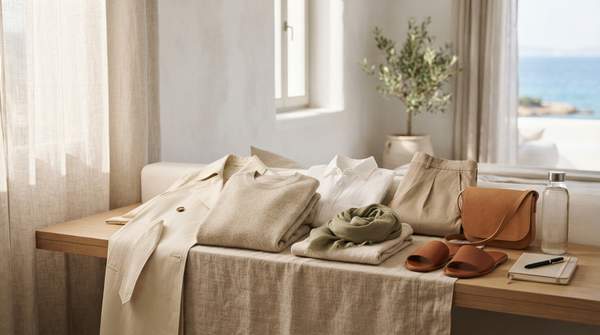
Spring/Summer runs from January to June, showcasing airy fabrics and vibrant prints, per Thebureaufashionweek. These collections historically emphasized light materials like linen and cotton, designed for longevity and extended wear. They offered consumers garments built for specific climatic conditions, a stark contrast to today's fleeting trends.
The Core Calendar: Fall/Winter
Fall/Winter collections, from July to December, feature cozy knits, layered garments, and deep colors, as stated by Thebureaufashionweek. These pieces traditionally served as consumer investments, focusing on durable wools, cashmere, and robust outerwear for enduring style and protection. They offered substantial garments meant to last years, a concept now largely lost to rapid cycles.
The Intermediate Seasons: Pre-Fall
Pre-Fall collections, launching in late winter or early spring, bridge summer and winter trends, notes Thebureaufashionweek. Both Resort and Pre-Fall were designed to be more commercial, shortening customer wait times for new clothes, according to Scribd. The design of Resort and Pre-Fall collections to be more commercial, shortening customer wait times for new clothes, reveals traditional fashion houses themselves paved the way for accelerated consumption, seeking newness even before fast fashion's rise.

The Calendar's Impact: From Runway to Retail
Spring/summer collections debut at fashion weeks in September and October for the following summer; autumn/winter shows occur in February and March for the next winter, reports Fashionunited. The traditional schedule of Spring/summer collections debuting at fashion weeks in September and October for the following summer, and autumn/winter shows occurring in February and March for the next winter, creates a six-to-nine-month lag between runway and retail, a stark contrast to fast fashion's immediate gratification. The six-to-nine-month lag between runway and retail alienates modern consumers, now conditioned by weekly drops to demand instant trends.
Understanding Collection Timelines
What are the main types of fashion collections?
Beyond core Spring/Summer and Fall/Winter, main collections include Haute Couture (custom-made, high-end), Ready-to-Wear (factory-produced, standard sizes), Resort and Pre-Fall (inter-seasonal, transitional), Capsule collections (limited, interchangeable items), and Limited Edition (exclusive, often one-off designs).
What is the difference between haute couture and ready-to-wear?
Haute Couture means bespoke, meticulously handcrafted garments for individual clients, demanding multiple fittings, exquisite materials, and high prices. Ready-to-Wear, conversely, is mass-produced in standard sizes for retail, offering broader accessibility and varied price points. Haute Couture prioritizes artistry; Ready-to-Wear, commercial appeal and practicality.
What is a capsule collection in fashion?
A capsule collection is a small, curated selection of essential, versatile, often seasonless items designed for mixing and matching. These collections simplify a wardrobe with cohesive, easily integrated pieces, typically featuring classic styles and neutral colors as a foundation for personal styling, not fleeting trends.
The Commercial Imperative Driving Fashion Seasons
The expansion beyond traditional seasons is a commercial imperative: meeting consumer demand for constant newness and maximizing sales. Fast fashion's 52 'micro-seasons' have largely rendered the traditional calendar irrelevant. High-end brands must accelerate their cycles or risk losing relevance, as those adhering to a four-season model, with collections shown nearly a year in advance, cede market share to brands delivering weekly trends. The acceleration of cycles by high-end brands to avoid losing relevance, as those adhering to a four-season model cede market share to brands delivering weekly trends, effectively trades design integrity for immediate commercial velocity. The introduction of 'Pre-Fall' and 'Resort' collections, intended to 'shorten customer wait times,' confirms traditional fashion houses themselves initiated this accelerated consumption, making them complicit in the seasonal calendar's erosion.
By the end of 2026, many luxury brands will likely have further adapted their release schedules to include more frequent drops, moving closer to the fast fashion model to retain consumer engagement and market share.