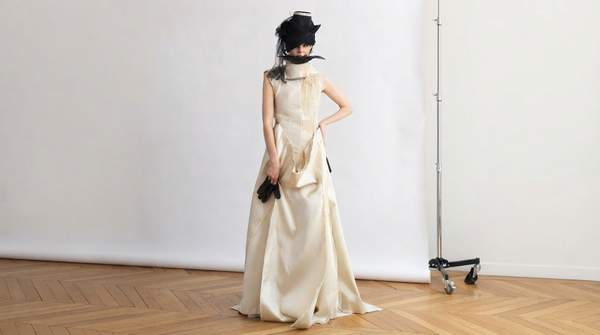
A single Chanel haute couture jacket, often destined for a fleeting runway appearance, can demand over 200 hours of hand-embroidery, involving up to a dozen specialized artisans. This immense dedication unveils a meticulous world of craft behind the runway's ephemeral glamour. Intricate embellishments, representing 60-80% of a garment's total production cost, transform fabric into wearable art.
Haute couture garments are explicitly designed for transient runway moments and an exclusive clientele. Yet, their embellishments embody centuries of artisanal knowledge and thousands of hours of painstaking labor—some gowns requiring over 1,000 hours from conception to completion. This inherent tension creates a paradox: value derived from both ephemeral spectacle and timeless craft.
Therefore, haute couture embellishment will likely remain a vital, albeit exclusive, crucible for preserving traditional crafts and pushing textile artistry's boundaries, even with its limited commercial reach. This extreme investment in artisanal techniques secures the industry's future, safeguarding irreplaceable human craft in an increasingly automated world.
The Invisible Hands of Haute Couture
Haute couture embellishment refers to the intricate, hand-applied decorative elements that fundamentally distinguish these garments from ready-to-wear. These elaborate additions, from beadwork to lacework, elevate clothing into art. Specialized ateliers, known as 'petites mains,' dedicate themselves entirely to mastering these techniques.
Historic suppliers like Lesage (embroidery) and Lemarié (feather work, artificial flowers) serve top couture brands. Their expertise is crucial; the Chambre Syndicale de la Haute Couture mandates significant handwork and custom designs for a house to even qualify for the prestigious haute couture designation. These specialized ateliers and their anonymous artisans are the true custodians of couture's unique artistry and heritage.
A Tapestry of Techniques: From Tambour to Plumasserie
Tambour embroidery, an intricate technique, uses a hook to rapidly apply beads and sequins from the fabric's underside, creating a smooth exterior. Plumasserie, the art of working with feathers, demands meticulous sorting, cleaning, dyeing, and hand-application of individual quills to create gravity-defying sculptural effects.

Passementerie involves intricate trimmings like tassels and cords, often hand-knotted on specialized looms for dimensional accents. Appliqué ranges from delicate lace overlays to three-dimensional fabric sculptures. Beadwork can involve millions of microscopic beads, individually sewn to create shimmering surfaces. Each technique represents a distinct, highly specialized craft, demanding years of training and an intimate understanding of materials.
Beyond Adornment: Preserving Heritage and Driving Innovation
Haute couture serves as a critical laboratory for new textile innovations and experimental techniques, often influencing ready-to-wear. Many embellishment techniques, rooted in centuries-old artisanal traditions, are actively preserved and evolved by couture houses. The demand for haute couture sustains a dwindling pool of master artisans, ensuring rare skills transmit to new generations.
Ethical sourcing, particularly for feathers and exotic skins, is a growing concern and innovation area. Houses explore sustainable alternatives and responsible supply chains to meet contemporary ethical standards. Couture embellishment is not merely decorative; it functions as a vital engine for cultural preservation and artistic advancement.
Common Questions About Couture Craft
What is the difference between haute couture and ready-to-wear embellishments?
Haute couture embellishments are exclusively hand-applied, custom-designed for individual garments, and often involve rare or bespoke materials. Ready-to-wear embellishments, conversely, are typically machine-applied or mass-produced, designed for scalability across multiple garments in a collection, and utilize more standardized materials.
What are the latest trends in haute couture embroidery?
Current trends in haute couture embroidery lean towards three-dimensional textures, often incorporating unconventional materials like ceramics, metals, or recycled elements alongside traditional beads and threads. Designers are also experimenting with trompe l'oeil effects and digital embroidery techniques integrated with hand-finishing, pushing the boundaries of traditional craft.
How long does it take to create a couture piece?
A single couture piece can take anywhere from 150 to over 2,000 hours to create, depending on the complexity of the design and the intricacy of its embellishment. This extensive timeline accounts for initial sketches, fabric preparation, multiple fittings, and the painstaking hand-application of every decorative element.
The Enduring Spark of Hand-Crafted Luxury
The global market for true haute couture remains extremely niche, with an estimated few thousand clients worldwide, according to Ft. Yet, its exclusivity generates immense brand prestige and media attention, influencing broader fashion trends and setting luxury standards. Haute couture's inherent value lies in its scarcity, the profound human story behind each stitch, and its resistance to mass production.
Many couture houses invest in specialized training programs, ensuring the continuity of these intricate skills. Haute couture embellishment, by its nature, stands as a powerful testament to human artistry and the irreplaceable value of the hand-made. Continued investment by houses like Chanel into ateliers such as Lesage will likely ensure these artisanal skills persist, providing a vital anchor for luxury fashion.