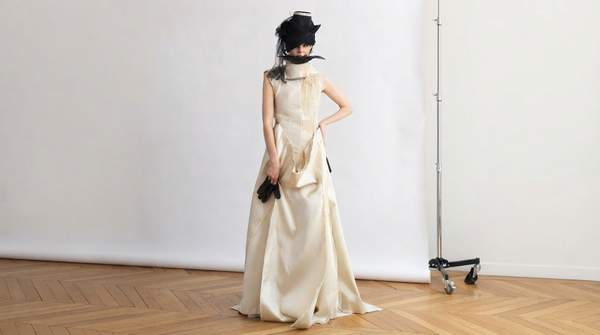
A single haute couture wedding dress can demand thousands of hours of work, a testament to an artistry almost lost in the age of mass production. This immense dedication transforms raw materials into intricate masterpieces, revealing the profound human impact embedded in each stitch. The journey from sketch to runway in high fashion is a process unlike any other in the garment industry.
Haute couture collections require months of intense human labor and intricate craftsmanship, but the resulting pieces are often too fragile for prolonged public display. This creates a fundamental tension: monumental effort often yields an almost immediately perishable product.
Haute couture will likely remain an exclusive, time-intensive art form, valued more for its artistic statement and preservation of craft than for its practicality or widespread accessibility.
The Unhurried Art of Haute Couture
A complex piece, such as a wedding dress, demands thousands of hours of work, according to The Times. This investment of time establishes haute couture as an unparalleled form of wearable art, distinct from conventional fashion production. Artisans across specialized ateliers are central to this dedication.
Crafting an entire haute couture collection spans up to three months, according to The Times. This timeline reveals the meticulous, unhurried approach defining haute couture, prioritizing perfection and artistic vision over speed. Such deliberate pacing permits iterative refinement and the incorporation of intricate details mass production cannot replicate, underscoring the rarity and bespoke nature of each garment.
From Sketch to Seam: The Creation Journey
A haute couture collection begins with design ideas, an early stage according to Tandfonline. This phase demands extensive research and conceptualization, laying the groundwork for the collection's narrative and aesthetic. Designers draw inspiration from diverse sources, translating abstract concepts into preliminary sketches and fabric mood boards.
Each subsequent stage, from initial design to final fitting, features bespoke craftsmanship and iterative refinement, ensuring every garment is a unique masterpiece. The journey from concept to catwalk involves constant collaboration among the designer, pattern makers, and skilled artisans, as detailed by Voguefashioninstitute. This hands-on synergy allows for precise adjustments and the integration of specialized techniques. It is this intricate dance of expertise that truly elevates a garment beyond mere clothing, transforming it into a singular artistic statement.