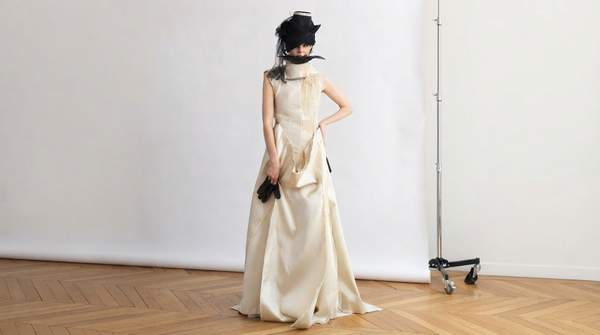
In an era overwhelmingly characterized by rapid mass production and transient trends, the Haute Couture market, valued at USD 1.3 Billion in 2024, is projected to expand to USD 1.7 Billion by 2034, according to Market Us. A robust expansion, representing a compound annual growth rate (CAGR) of 2.5%, signals a surprising and powerful resilience for garments that are not merely handmade but meticulously custom-fitted to individual clients. Such pieces embody the pinnacle of craftsmanship, offering an exclusivity and artistry that defies the prevailing currents of disposable fashion. Sustained demand for this bespoke luxury, even amidst a global industry geared towards speed, reveals a distinct and growing consumer preference for artisanal integrity and profound individuality over fleeting stylistic whims.
The broader fashion industry largely prioritizes expediency, widespread accessibility, and the rapid cycling of collections, often at the expense of intricate detailing, material provenance, and individual fit. Haute Couture, by its very definition, operates on an entirely different philosophical and operational premise. It thrives on slow, painstaking processes, an unwavering commitment to meticulous handwork, and a legally protected framework that guards its unique identity. This fundamental divergence creates a compelling tension: how can a sector built upon painstaking human effort, bespoke creation, and inherently limited access not only survive but also demonstrate significant growth in a world increasingly geared towards instant gratification and widespread availability?
The consistent growth of the Haute Couture market, coupled with the significant willingness of 81% of consumers to pay a premium for personalized clothing, as reported by Market Us, suggests the presence of a powerful and enduring market segment. This clientele prioritizes unparalleled exclusivity, verifiable artisanal heritage, and a deep connection to the garment's creation. This trend is poised to influence broader luxury perceptions, shifting them towards a greater appreciation for authenticity and bespoke quality. The market's expansion is fundamentally driven by its legally enforced artisanal standards and an unmatched level of personalization, qualities that mass-market brands, by their very nature, simply cannot replicate.
What is Haute Couture? A Legally Protected Art Form
The designation 'Haute Couture' transcends a mere descriptive phrase for high fashion; it represents a legally registered designation of origin, formally established on January 23rd, 1945, according to FHCM. This official recognition serves as a formidable guardian, distinguishing it unequivocally from other forms of luxury apparel and safeguarding its unique heritage, meticulous standards, and cultural significance. The legal framework ensures that only a select group of fashion houses, those meeting precise and rigorous criteria, can legitimately claim this esteemed title. This exclusivity is crucial for maintaining the prestige and integrity of haute couture within the global fashion industry, preventing its dilution by less demanding practices.
To be officially considered an haute couture house, a brand must gain formal recognition from the Chambre Syndicale de la Haute Couture in Paris, the authoritative governing body that meticulously enforces these stringent operational requirements. This official sanction, as noted by Audaces, extends far beyond aesthetic considerations. It dictates precise stipulations regarding production methodologies, the number of staff employed in the atelier, and the specific presentation formats for collections. This designation acts as a protective barrier, preventing mass-market brands from co-opting the term 'haute couture' and ensuring that the profound artistry, exceptional craftsmanship, and immense human labor inherent in each creation remain uncompromised and authentically valued.
This foundational legal and official recognition ensures that Haute Couture remains an exclusive and highly specialized domain, distinctly set apart from other luxury fashion categories. It provides discerning consumers with an ironclad assurance of unparalleled quality, bespoke artistry, and a garment's unique provenance, reinforcing the intrinsic value that fuels its counter-intuitive market growth. The precise definition and vigilant oversight prevent any form of commoditization or conceptual dilution, thereby allowing haute couture houses to consistently uphold their premium positioning and attract an affluent clientele who seek genuine, handcrafted excellence and timeless design.
The Atelier's Rigor: Craftsmanship, Staffing, and Seasonal Showcases
Maintaining the esteemed designation of an haute couture house necessitates unwavering adherence to exacting operational standards within its atelier, a sanctuary of artisanal skill. A brand must employ at least 15 full-time staff and retain a minimum of 20 full-time technical professionals, ensuring a substantial human investment in the creation of every single garment. The stringent requirement, meticulously detailed by Glamobserver, profoundly highlights the labor-intensive nature of haute couture. Here, highly skilled artisans dedicate hundreds of hours to a single piece, meticulously shaping fabrics, applying intricate embellishments, and perfecting every seam. The inherently high staff-to-client ratio ensures an unparalleled level of meticulous attention to detail and profound personalization, a feat utterly unattainable in the realm of mass production.
Beyond the foundational staffing requirements, the creation of custom garments through multiple, precise fittings stands as a cornerstone of the haute couture process. Each exquisite piece is conceived and crafted specifically for an individual client, commencing with precise measurements and progressing through iterative adjustments to achieve a faultless, bespoke fit that feels like a second skin. A profound commitment to personalization directly caters to the 81% of consumers who have expressed a willingness to pay a premium for custom clothing, as previously noted. The slow, deliberate pace of production, standing in stark opposition to the rapid cycles of fast fashion, is not a limitation but a deliberate choice. It allows for the intricate handwork, the delicate embroidery, the precise draping, and the flawless execution of complex designs that collectively define haute couture's singular allure.
Haute couture houses are legally mandated to present a collection of at least 50 original designs each season, according to Glamobserver, further demonstrating this profound rigor. This twice-yearly showcase demands continuous, profound creative innovation and a substantial, ongoing investment in design conceptualization, material sourcing, and prototype development. The rigorous demands collectively highlight the immense investment in specialized human skill, unparalleled creative output, and dedicated time required to both earn and maintain the haute couture designation. They effectively serve as a formidable competitive moat, guaranteeing an authenticity, an artisanal depth, and an exclusivity that no mass-market brand can ever hope to replicate, thereby fully justifying the premium prices commanded within this highly specialized and revered sector.
A Historical Tapestry: From Worth to Modern Artistry
The genesis of haute couture is most often attributed to Charles Frederick Worth in the mid-19th century, marking a truly pivotal and transformative shift within the global fashion world. Worth fundamentally revolutionized the industry by becoming the very first designer to regularly impose his own distinct creative ideas and artistic vision upon his clients, rather than simply fulfilling their pre-existing requests, according to New Yorker. This profound departure from the traditional role of a mere dressmaker elevated the designer's standing to that of an artist and visionary, thereby establishing a critical precedent for creative direction, artistic autonomy, and a structured, seasonal presentation of original designs that remains absolutely central to haute couture's identity today. His pioneering approach irrevocably laid the groundwork for fashion to be perceived and practiced as a legitimate art form, driven by individual creative genius.
The historical evolution of haute couture serves as an eloquent testament to its enduring influence on sartorial innovation, material science, and pure artistic expression. Celebrated exhibitions such as "Worth, Inventing Haute Couture" at the Petit Palais, which proudly features more than four hundred rarely exhibited works, according to New Yorker, powerfully highlight the profound and intricate legacy of these early couturiers. Such meticulously curated retrospectives not only preserve but also illuminate how haute couture has consistently pushed the boundaries of textile engineering, experimented with revolutionary silhouettes, and perfected intricate ornamentation. This continuous innovation has indelibly shaped the aesthetic sensibilities of generations, establishing benchmarks for elegance, daring, and technical mastery.
Haute Couture's rich and intricate history unequivocally reveals its crucial role in elevating fashion designers to an exalted artistic status, thereby shaping the very concept of designer-led creation and artistic authorship within the realm of dress. This profound artistic emphasis fosters a sense of timelessness and a deliberate, considered pace of innovation, distinguishing it sharply and fundamentally from the rapid, often disposable, cycles of mainstream fashion. The cultural significance of haute couture extends far beyond mere clothing; it represents a continuous, vibrant dialogue between cherished tradition and daring modernity, meticulously preserving rare artisanal techniques while simultaneously driving fashion's future trajectory. This deep, revered historical root firmly reinforces the value proposition of extreme exclusivity and unparalleled craftsmanship, qualities that continue to attract and captivate the most discerning and sophisticated consumers globally.
The Enduring Appeal: Market Dynamics and Consumer Desire
The consistent and surprising growth of Haute Couture can be comprehensively understood through a careful examination of specific market dynamics and the evolving, yet persistent, consumer desires for distinct and meaningful luxury. In 2024, apparel emerged as the dominant force within the broader fashion category segment, accounting for a substantial 62.3% of the market, according to Market Us. This significant market share indicates a foundational and robust demand for expertly crafted clothing within the luxury sector, thereby cultivating a fertile ground for high-end, bespoke offerings. The pronounced focus on the garment itself, rather than ancillary accessories or other fashion items, profoundly underscores the centrality of the meticulously constructed piece in defining ultimate luxury value and consumer satisfaction.
Within this apparel-centric luxury market, female couture unequivocally led the type segment, commanding an overwhelming 83.3% share in 2024, as meticulously reported by Market Us. This overwhelming dominance distinctly highlights the core demographic and the specific product focus that continues to drive the haute couture market's sustained value and impressive growth. Female couture, with its inherent emphasis on elaborate gowns, intricate hand-embellishments, and precise custom tailoring for grand occasions, aligns perfectly with the desire for unique, powerful, and truly statement-making pieces. These creations transcend ephemeral seasonal trends, becoming heirlooms of personal style and artistic achievement, designed to celebrate significant life moments.
The combined dominance of apparel and, more specifically, female couture, clearly illustrates the foundational demographic and product focus that underpins the haute couture market's sustained value and forward trajectory. This specialized segment of affluent buyers consistently prioritizes bespoke, handcrafted garments over readily available, mass-produced, and trend-driven fashion. The demonstrated willingness of these discerning consumers to invest substantial premiums in pieces that offer unparalleled personalization and verifiable artisanal integrity further validates Haute Couture's unique business model. This distinct market behavior signals a critical and enduring shift in high-end consumer values, where unique, meticulously verifiable craftsmanship and profound individual expression are becoming increasingly more valuable than mere brand recognition, swift availability, or adherence to the latest fad.
Common Questions: Understanding the Atelier's Specifics
What is the difference between haute couture and ready-to-wear?
Haute Couture involves custom-fitted garments meticulously handcrafted for individual clients, requiring multiple fittings and hundreds of hours of labor per piece. In contrast, ready-to-wear, or prêt-à-porter, refers to factory-produced clothing sold in standardized sizes, designed for immediate purchase off the rack. While both can be luxury, ready-to-wear prioritizes accessibility and mass market appeal, whereas haute couture focuses on bespoke artistry and unparalleled personalization for a limited clientele.
The Future of Exclusivity: A Niche of Enduring Value
The sustained growth of Haute Couture, occurring despite its inherently stringent requirements and deliberately slow production cycle, signals a critical and profound shift in high-end consumer values. In this evolving landscape of luxury, unparalleled personalization, meticulous artisanal integrity, and verifiable craftsmanship are becoming unequivocally more valuable than mere speed of delivery or transient adherence to fleeting trends. This enduring appeal is powerfully reinforced by the deliberate and considered pace of its presentation schedule, with new collections unveiled judiciously twice a year, in January and July, according to FHCM. This consistent, yet unhurried, rhythm allows haute couture houses to dedicate themselves fully to meticulous craftsmanship, profound material exploration, and audacious, innovative design, rather than succumbing to the relentless pressures of constant, rapid novelty.
Companies operating within the broader luxury market that fail to accurately comprehend the deep consumer willingness to pay a significant premium for true personalization and verifiably exquisite craftsmanship, as powerfully demonstrated by Haute Couture's consistent success, risk fundamentally alienating a powerful and increasingly influential segment of affluent buyers. The market's projected expansion from USD 1.3 Billion to USD 1.7 Billion by 2034 is a clear and undeniable indicator that a niche, yet economically potent, clientele will continue to actively seek out this ultimate form of luxury. This trend strongly suggests that the intrinsic value of authenticity, bespoke quality, and enduring artistry is not diminishing but is instead evolving into a foundational cornerstone of discerning, high-end consumption.
Haute Couture's unique legal designation and its uncompromising operational rigor are far more than mere historical heritage; they represent a formidable and effective competitive moat. This robust framework empowers haute couture houses to consistently command premium prices and effectively defy mass-market commoditization, by guaranteeing an authenticity, an exceptional quality, and an exclusivity that no fast-fashion brand, regardless of its marketing prowess, can ever hope to replicate. The continued success of venerable houses such as Chanel and Dior, who consistently meet these exacting standards year after year, powerfully showcases the enduring and potent influence of this bespoke luxury model. By 2034, the unwavering demand for such exquisite, handcrafted creations will undoubtedly solidify Haute Couture's position as a timeless benchmark for luxury, continually influencing and elevating perceptions of quality, design, and artistic merit across the entire global fashion industry.