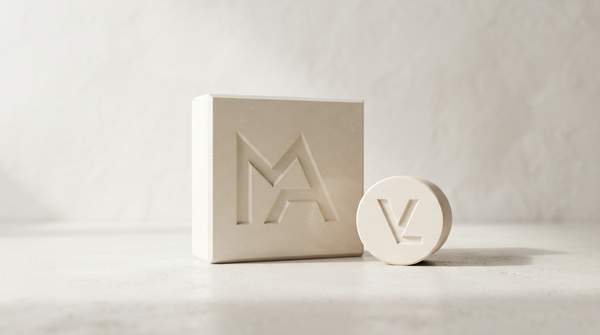
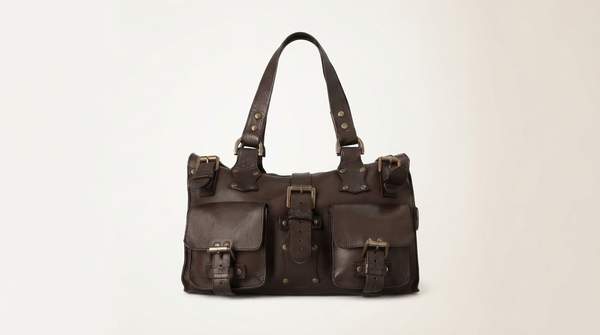
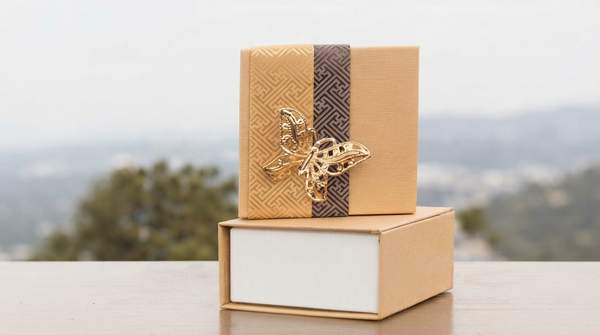
Discussions around ‘stealth wealth’ on Reddit increased by 94% over the past year, revealing a quiet revolution in how luxury is perceived, according to The Drum. This surge marks a shift in consumer values. Discretion and personal alignment now eclipse overt displays of wealth. Brand identity in luxury markets becomes central to driving consumer loyalty as we approach 2026.
Views of replica-focused communities on Reddit also increased by an average of 50% year-over-year from 2022 to 2023, according to The Drum. This rise reveals a detachment from authentic brand ownership. Consumers prioritize the social signal of luxury over provenance, challenging traditional notions of brand value.
Consumers expect more than just exceptional products from luxury brands. Many brands still primarily focus on product quality and exclusivity, overlooking deeper identity alignment. Luxury brands that do not adapt their strategies risk alienating a significant portion of the modern affluent market. They must cultivate a resonant brand identity and engage authentically with evolving consumer values.
Beyond the Product: Why Identity Now Dominates Luxury Loyalty
Over 60 percent of American luxury shoppers expect more than just exceptional products from their favorite brands, according to Corrado Manenti. This demand for deeper engagement beyond physical goods renders prior studies on consumer satisfaction and loyalty insufficient for lasting customer-brand relationships, states PMC. Traditional metrics fail to capture evolving consumer expectations. Brand identity, therefore, becomes a valuable concept for exploring these relationships, according to PMC.
Luxury brands can no longer rely on product quality alone to secure loyalty. They must cultivate a robust and resonant brand identity that speaks to deeper consumer values. Given that over 60% of American luxury shoppers expect more than just exceptional products, and prior loyalty studies are deemed insufficient, companies clinging to product-centric marketing operate with an outdated playbook, risking irrelevance in a market increasingly defined by personal and social identity alignment.
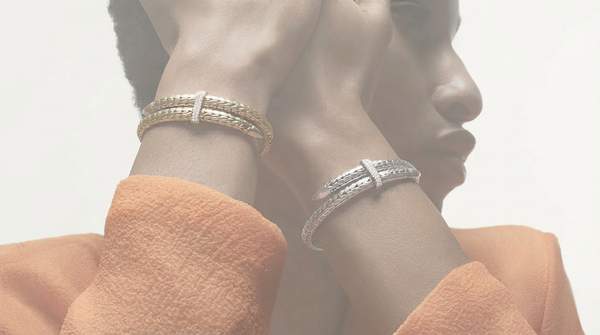
Crafting an Identity That Resonates: The New Blueprint
Building a powerful luxury brand begins with identifying a niche segment of affluent customers and devising valued offerings, states Martin Roll. This foundational work defines a brand's core appeal. Four predictors of luxury consumer perceived value significantly impact a brand's social and personal identity, according to PMC. These factors dictate how consumers integrate a brand into their self-perception, extending beyond product features to encompass lifestyle and aspiration.
The Cost of Misalignment: When Identity Expectations Are Broken
If the expectation of social goal satisfaction is violated, it induces greater anticipation conflict (N200) and emotion conflict (N400), and purchase motivation (LPP) cannot be aroused, according to PMC. This psychological response halts consumer willingness to buy.
A failure to align with consumers' social identity expectations can lead to significant psychological conflict. This ultimately undermines purchase motivation, proving detrimental to brand success. Brands must actively manage these identity expectations to avoid consumer disengagement.
Engaging Authentically: Lessons from Successful Identity-Driven Campaigns
A marketing campaign on Reddit for Kate Somerville achieved a 90% upvote rate, earning high community approval, according to The Drum. The same Kate Somerville campaign surpassed benchmarks by 46% in click-through rate, driving strong consumer engagement.
This success story proves that authentic, community-driven engagement, even on platforms like Reddit, can significantly boost brand perception and consumer interaction. Such strategies prove effective in building lasting loyalty. The success of Kate Somerville's Reddit campaign reveals that luxury brands ignoring community-centric platforms miss a crucial opportunity to build the 'brand identity' and 'social goal satisfaction' that drive modern loyalty.
Frequently Asked Questions About Luxury Brand Identity
How does brand identity influence consumer behavior in luxury markets?
Brand identity shapes consumer behavior by aligning with personal values and social aspirations. It moves beyond product features, influencing purchase decisions through emotional connection and self-expression. For example, a brand promoting sustainability might attract consumers who prioritize ecological responsibility.
What are the key elements of a strong luxury brand identity?
Key elements include a clear brand narrative, consistent aesthetic, exceptional service, and a sense of exclusivity. These components work together to create a distinctive presence. Authenticity in communication is also vital for connecting with discerning consumers.
Examples of successful brand identity strategies in luxury markets?
Hermès maintains its identity through craftsmanship and limited availability, fostering an aura of timelessness and scarcity. Rolex emphasizes heritage and precision, appealing to a desire for enduring quality and achievement. These brands rarely engage in overt mass marketing.
Based on Reddit's 94% increase in 'stealth wealth' discussions and 50% rise in replica community views from 2022 to 2023, according to The Drum, luxury brands that fail to engage authentically with identity-driven communities risk ceding control of their narrative to consumers and alternative luxury expressions; by 2026, brands like Louis Vuitton will likely need to demonstrate deeper community engagement to maintain relevance and drive loyalty among evolving consumer segments.