Clean Beauty Principles Are Now Extending to Your Home and Kitchen.

A 2023 NielsenIQ survey found that 70% of consumers are more concerned about the ingredients in their dish soap than in their facial cleanser, a stark reversal from a decade ago.

SM
Sofia Mendes

June 4, 2026 · 4 min read

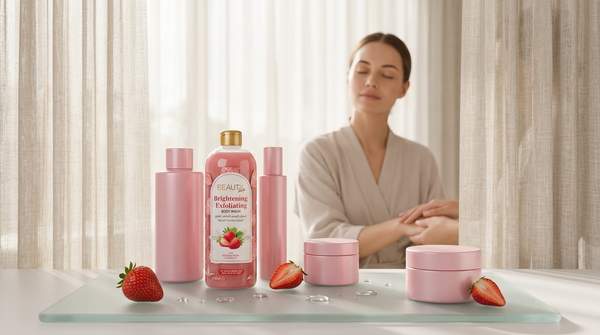
A minimalist kitchen counter featuring eco-friendly dish soap and fresh produce, bathed in natural sunlight, symbolizing the shift towards clean ingredients in home products.

A 2023 NielsenIQ survey found that 70% of consumers are more concerned about the ingredients in their dish soap than in their facial cleanser, a stark reversal from a decade ago. A deep-seated anxiety about chemicals in daily life is reflected in the heightened scrutiny that now extends to all household products.

Consumers are demanding unprecedented transparency and natural ingredients in their home and kitchen products. However, the current regulatory landscape offers little protection against misleading 'clean' claims or potentially harmful hidden chemicals. This gap creates significant challenges for both consumers and manufacturers.

The market will likely experience a significant shake-up, with traditional giants either acquiring 'clean' innovators or launching their own transparent lines. Consumer advocacy will drive eventual, albeit slow, regulatory reform, forcing a re-evaluation of product standards.

Searches for 'non-toxic cleaning products' surged by 150% on Google over three years, according to Google Trends Data. This digital demand translates to purchasing power: a 2023 NielsenIQ survey found 68% of consumers will pay more for sustainable household cleaning products. Retailers like Target and Whole Foods have responded, expanding their 'clean' household sections by over 30% in two years, according to Retailer Annual Reports, signaling a clear market shift.

The beauty sector pioneered this scrutiny. Its natural and organic personal care market, valued at $13.5 billion in 2022 and projected to reach $22 billion by 2029 (Grand View Research), established a precedent for ingredient transparency now extending to household items. The extension of ingredient transparency to household items reflects a fundamental redefinition of consumer values within the home.

From Face Creams to Floor Cleaners: The Consumer Shift

Millennials and Gen Z, 2.5 times more likely than older generations to prioritize ingredient transparency (Pew Research Center), are driving 'clean' principles beyond personal care. This demographic power is evident in the 'clean' kitchenware market, projected to grow at an 8% CAGR through 2029, states Market Research Future.

The 'clean home' movement is fueled by concerns over indoor air quality and chemical exposure from cleaning products (EPA Reports). With long-term exposure to common household chemicals linked to respiratory issues and endocrine disruption (National Institutes of Health), consumers are actively seeking safer alternatives. A profound connection between product ingredients, personal health, and environmental impact is underscored by this shift.


The Murky Waters of 'Clean': Greenwashing and Cost Barriers

The U.S. bans or restricts only 11 chemicals from cosmetics, a stark contrast to over 1,300 in the EU (Environmental Working Group). This regulatory void extends to household goods, allowing for ill-defined 'clean' claims. Compounding the issue, 'clean' laundry detergent can cost 50% more than conventional options (Consumer Reports), creating a significant accessibility barrier.

Consumer skepticism about 'natural' or 'eco-friendly' claims is high, with 45% distrusting them due to perceived 'greenwashing' (Edelman Trust Barometer). Many 'clean' certifications are proprietary or self-regulated, fostering inconsistent standards and confusion (Consumer Federation of America). This lack of universal standards, coupled with price premiums, creates significant hurdles for consumers and brands alike.

Beyond Ingredients: A Holistic Lifestyle Movement

Direct-to-consumer (DTC) brands have enabled smaller 'clean' companies to bypass traditional retail, building trust through transparent marketing (Forbes). These brands, like Blueland and Grove Collaborative, often promote a holistic lifestyle, emphasizing refillable packaging and subscription models that align with broader sustainability goals beyond mere ingredients (Company Websites). This approach deepens consumer engagement beyond a single product.

The 'clean beauty' movement established the blueprint for ingredient scrutiny now prevalent in home products (Beauty Industry Reports). Consumers increasingly view their home environment as an extension of personal wellness, linking product choices to overall health and mental well-being (Wellness Trend Reports). A profound cultural shift towards conscious consumption, where product choices reflect a holistic approach to well-being, is signified.

The Future of Home Care: Innovation, Regulation, and Market Shake-Up

Traditional CPG giants like Procter & Gamble and Unilever are responding, launching 'eco-friendly' sub-brands or acquiring smaller clean companies (Industry Analyst Reports). A broader shift is signaled by this industry consolidation. Experts predict consumer pressure will eventually drive more stringent federal regulations for household product ingredient disclosure, mirroring trends in food and cosmetics (FDA Policy Analysts).

This market shift is also forcing innovation in sustainable packaging and delivery systems, moving beyond mere ingredient reformulations (Packaging Industry Innovations). The long-term success of 'clean' brands hinges on scaling production and lowering costs without compromising integrity or efficacy (Supply Chain Experts). This dynamic landscape will compel traditional brands to fundamentally rethink product development and marketing, fostering a more discerning consumer base and pushing for greater regulatory clarity.

If consumer demand for transparency and sustainability continues its current trajectory, the home care market will likely see a rapid acceleration of innovation and regulatory reform, challenging even the most established brands.