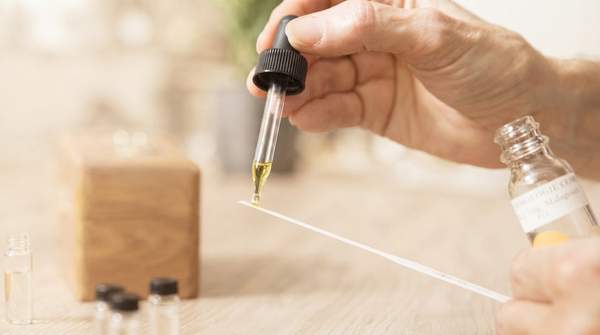
In a 12-week clinical study, a serum with adaptogens visibly reduced redness by 50%, dullness by 44%, and improved skin texture by 52%. This single formulation also decreased pore size by 23% and uneven pigmentation by 21%, according to findings published in a multi-center trial evaluating a serum comprised of plant adaptogens. These results confirm the potent, visible effects of these botanical compounds on skin health, addressing multiple signs of aging and environmental stress.
Topical adaptogens show remarkable clinical efficacy in improving skin health, but their precise mechanisms of action and a universal classification system remain largely undetermined. This scientific frontier sees tangible consumer benefits even as researchers map underlying biological pathways. The complexity of these botanicals offers both a challenge and an opportunity for deeper scientific understanding.
Given strong clinical evidence and ongoing scientific exploration, adaptogens are poised to become a cornerstone of advanced, resilience-focused skincare. They offer a promising path for consumers seeking solutions that empower skin to better withstand daily stressors, driving further research and product innovation.
What Are Topical Adaptogens?
A systematic review identified 29 topical adaptogens that promote skin health and cosmesis via homeostatic mechanisms, according to a systematic review. These compounds differ from traditional ingredients by helping skin maintain balance and adapt to stressors. Instead of targeting specific symptoms, adaptogens normalize cellular functions for a more resilient complexion.
They are thought to work by normalizing the adrenal system, which can benefit skin conditions often linked to adrenaline, according to Dermstore. Adaptogens help skin regulate internal stress responses, moving beyond superficial treatment to enhance the skin's inherent adaptive capabilities. Their topical application offers a new dimension in skincare, supporting long-term health.

How Adaptogens Work for Skin Resilience
Plant adaptogens stimulate Extracellular Matrix (ECM) component production, according to a bibliometric study of adaptogens in dermatology. The ECM provides structural support and aids tissue repair. By boosting ECM, adaptogens enhance skin firmness and elasticity. Adaptogens don't just mask issues; they actively fortify the skin's foundational elements. A deeper biological influence helps skin withstand stressors, signaling a new paradigm of resilience-focused skincare where ingredients strengthen from within. This is a crucial distinction for advanced skin health solutions.
The Evolving Science of Adaptogen Classification
Most topical adaptogens are botanicals with dermatological applications, but their precise mechanisms and classification remain undetermined, according to JCADonline. The nascent stage of research is evident, despite observed efficacy. While promising, researchers are still mapping their complex actions and categorizing them for consistent application. Standardizing research and product development hinges on resolving these classification ambiguities, which stem from the diverse biochemical profiles of different adaptogenic plants. The field is maturing, presenting both opportunities and hurdles for innovation in skincare formulation.
Proven Benefits: Clinical Evidence for Skin Health
A 12-week clinical study on a serum with adaptogens—including ginseng, turmeric, magnolia bark, and echinacea—showed visible reductions in redness, dullness, pore size, and uneven pigmentation. The study also reported a 38% decrease in oiliness and a 39% overall boost in skin quality, according to NYSCC. This multi-center trial, evaluating a novel serum for photoaged skin, confirmed early and significant improvements in erythema, skin dullness, and roughness with twice-daily application over 12 weeks.. The broad spectrum of improvements, from texture to pigmentation, positions adaptogens as a high-impact ingredient for consumers seeking comprehensive results.
Understanding the Scope and System of Adaptogens
What are the best adaptogens for skin health?
Topical adaptogens were reviewed for effects on photodamage, photoaging, antioxidant, antimicrobial, anti-inflammatory, metabolic, hormonal, and regenerative activity, according to a systematic review. The broad range of actions means the 'best' adaptogen depends on specific skin concerns, with many offering multi-target benefits. Tailored formulations are possible, addressing diverse needs from inflammation to regeneration.
How do adaptogens improve skin barrier function?
Adaptogens contribute to skin barrier function by promoting homeostatic mechanisms, helping the skin regulate its own responses to stressors. Supporting the production of essential Extracellular Matrix components is involved, which are crucial for maintaining the skin's structural integrity and protective layer. By normalizing cellular processes, adaptogens strengthen the skin's natural defenses against environmental aggressors, leading to a more robust and resilient barrier over time.
Are adaptogens safe for all skin types?
A proposed classification system for topical adaptogens categorizes them as safe, homeostatic, and multitargeted, according to a systematic review. Safety is a primary consideration, indicating general suitability for various skin types. However, individual sensitivities can occur, so patch testing is always recommended for reactive skin.
The Future of Resilient Skincare
Given the robust clinical evidence and the ongoing scientific exploration into their homeostatic mechanisms, adaptogens will likely become a cornerstone of advanced, resilience-focused skincare, driving further innovation and offering consumers more sophisticated solutions for enduring skin health.