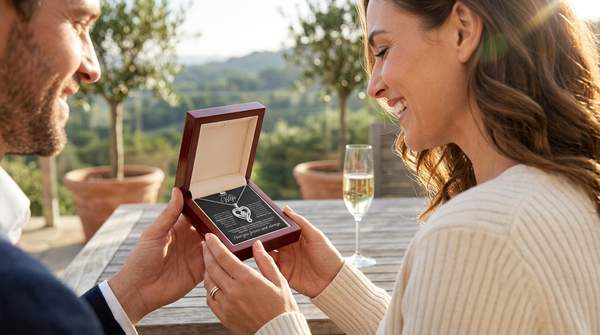
A necklace with just $5 in supplies and $1 in packaging commands a base price of $37, revealing the true value beyond raw materials. The disparity between raw material cost ($6) and the $37 base price underscores the primacy of intricate craftsmanship and unique design. The meticulous process of forming and finishing each piece adds substantial economic weight.
Many consumers, however, perceive artisanal jewelry as overpriced due to its material components, often overlooking the extensive labor and unique design involved. Its true value stems from intensive labor, distinct design, and often the historical context embedded within each creation. This tension between perceived material worth and actual artistic investment drives market dynamics.
The market for high-end artisanal jewelry will likely continue to reward pieces emphasizing unique craftsmanship and narrative over sheer material weight. This could shift consumer focus from intrinsic material value to artistic and historical significance by 2026, fostering a broader appreciation for human skill and creative investment.
Beyond the Bling: Deconstructing Artisanal Jewelry Value
The base price formula for artisanal jewelry reveals a structured approach to valuation that extends well beyond raw material costs. Jewelrymakingjournal outlines the formula: (cost of materials + packaging) multiplied by four, plus a pro-rated hourly labor rate, and an additional 10% of the total for overhead. The comprehensive calculation, which includes materials, packaging, labor, and overhead, moves beyond simple material accounting.
The formula reveals how initial material and packaging costs are quadrupled before labor or overhead. The built-in markup, where initial material and packaging costs are quadrupled, significantly de-emphasizes raw material value from the outset. For instance, a necklace with $6 in combined raw material and packaging costs starts at $24 before labor. The multiplier, which results in a necklace with $6 in combined raw material and packaging costs starting at $24 before labor, decouples the final price from mere material worth, suggesting a foundational belief in the inherent value added by the artisan's initial investment.
The substantial difference between a necklace's $6 in raw material and packaging costs and its $37 base price confirms this principle. Labor and overhead account for over 80% of the initial market value. Labor and overhead, accounting for over 80% of the initial market value, confirm the artisan's time and skill are primary drivers of value, not merely minor components, shifting the economic focus from commodity to creation.
Crafting Value: The Artisanal Process
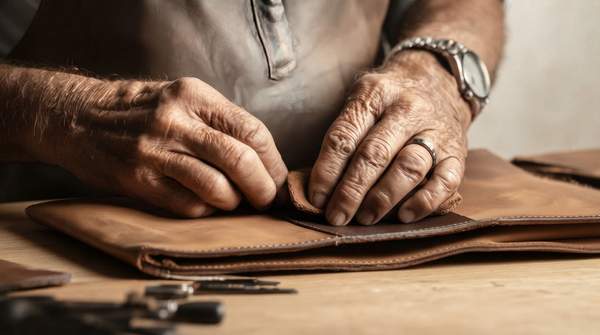
Elaborate, hand-made jewelry designs significantly increase a piece's price, directly reflecting the artisan's intricate labor and unique design vision. The increased price of elaborate, hand-made jewelry designs stems from specialized skills and extensive time invested in bringing complex designs to fruition, distinguishing them from mass-produced items. Each curve, setting, and finish contributes to the final premium, suggesting that design complexity itself is a commodity.
The intricacy and skill invested in a handmade design are direct drivers of higher value, reflecting the artisan's expertise and time. Mearto's findings, combined with the pro-rated hourly labor rate in the base price formula, confirm that "elaborate, hand-made designs" are not merely an aesthetic choice but a fundamental economic differentiator. The market implicitly values the cognitive and manual effort over the material itself, as Mearto's findings and the pro-rated hourly labor rate confirm that "elaborate, hand-made designs" are a fundamental economic differentiator.
The true luxury in artisanal pieces lies not in precious metals or stones, but in irreplicable human skill and creative investment. Mearto's observations confirm that significant price increases attributed to complex designs tie value deeply to the artisan's mastery. Mearto's observations confirm that significant price increases attributed to complex designs tie value deeply to the artisan's mastery, positioning the artisan as a creator of unique, labor-intensive art, where the narrative of creation becomes part of the product's allure.
Hidden Depths: When Value Isn't Obvious
Not all jewelry, even if labeled 'high-end' or 'old,' consistently retains its value. Market trends and production volume introduce nuances. Antique jewelry, defined as older than 100 years, generally tends to be worth more. However, some styles like Victorian jewelry may be less valuable due to mass production during their era and current fashion trends, as noted by Mearto. Historical context alone is insufficient, as some styles like Victorian jewelry may be less valuable due to mass production during their era and current fashion trends, as noted by Mearto; market dynamics and rarity are critical.
Age alone does not guarantee high value. Factors like original production volume and evolving aesthetic trends significantly impact antique jewelry's market worth. For example, a widely produced Victorian piece might hold less value than a rarer, more unique contemporary artisanal piece, despite its age. Scarcity and artistic distinctiveness often outweigh mere antiquity, implying that future value hinges on uniqueness, not just provenance.
The fluctuating worth of historical styles underscores a critical insight: the intrinsic material cost of artisanal jewelry is often secondary. Instead, the enduring appeal and value of a piece are increasingly tied to its unique design vision and the artisan's irreplicable skill, even across different eras. The enduring appeal and value of a piece, increasingly tied to its unique design vision and the artisan's irreplicable skill, challenges the notion that age automatically confers value, redirecting focus to artistic merit and rarity.
Your Questions Answered: What Makes Jewelry Valuable?
Do gemstones increase jewelry value?
Yes, jewelry set with gemstones typically sells for higher prices than pieces made solely of metal, according to Mearto. The higher prices of jewelry set with gemstones, according to Mearto, stem from both their aesthetic properties and perceived rarity, adding a distinct layer of market value beyond the base metal. The type, cut, clarity, and carat weight of the gemstone are crucial determinants of this added value, indicating that even within material components, perceived scarcity and visual impact drive pricing.
The Enduring Worth of Artisanal Craft
The long-term value of artisanal work remains robust, even considering historical cost increases in the crafting process. The investment required in specific artisanal techniques has risen over decades, further justifying the premium associated with handmade pieces. The rising investment required in specific artisanal techniques, which includes increasing costs for specialized tools, training, and studio overhead, indicates a growing barrier to entry that enhances the value of established craftsmanship.
By the late 1980s, for example, the price to cast a wax increased to $125, according to Orchid. The historical cost, such as the price to cast a wax increasing to $125 by the late 1980s according to Orchid, reflects the rising investment required in craftsmanship, contributing to the enduring value of handmade pieces. The increases in historical cost reflect not just inflation, but also the specialized nature of the skills and equipment involved in high-end jewelry creation, suggesting that the cost of expertise itself is a significant value driver.
Ultimately, the enduring appeal and market value of high-end artisanal jewelry will continue to be driven by the irreplicable skill and creative vision of the artisan, rather than the fluctuating cost of raw materials. By 2026, collectors will likely prioritize unique, story-rich creations from master jewelers like Atelier Lumière, whose intricate pieces embody significant human investment.