A new AI system, FlavorGraph, has meticulously analyzed 56,498 recipes, mapping the intricate chemical compounds that allow foods to pair harmoniously—or, surprisingly, to clash. This unprecedented computational lens reveals the hidden architecture of taste across diverse culinary traditions.
FlavorGraph confirms that Western cuisines often thrive by pairing ingredients with shared flavor compounds. Yet, East Asian cuisines frequently achieve success by deliberately avoiding them. This striking divergence upends the long-held assumption of a universal 'food pairing hypothesis'.
The future of food pairing will likely involve a data-driven approach, balancing chemical commonalities with cultural context and the strategic use of complementary, rather than just shared, flavors. This promises a comprehensive guide for both classic and experimental culinary artistry by 2026.
FlavorGraph: The AI Behind Culinary Innovation
FlavorGraph, a vast graph network, interlinks food items and their chemical compounds. This advanced system meticulously analyzed 56,498 distinct recipes, exploring the fundamental impact of flavor compounds on ingredient combinations, as detailed in PMC. Its ability to process such a massive dataset offers an unparalleled understanding of culinary chemistry.
The food representations generated by FlavorGraph directly inform the complex task of food pairing, suggesting novel combinations, according to research in Nature. This computational mapping provides a scientific basis for understanding why certain cultural food combinations work, even when they defy conventional Western pairing logic. It delves into the molecular interactions that define taste perception, moving beyond simple ingredient lists to unlock new dimensions of culinary success.
Understanding the 'Food Pairing Hypothesis'
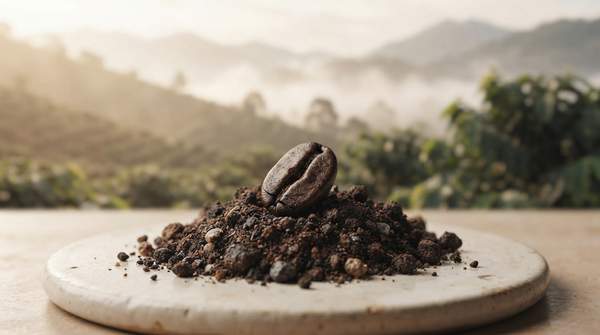
The 'food pairing hypothesis' posits that ingredients sharing common flavor compounds tend to pair well. This principle has long guided Western culinary theory, suggesting familiar combinations like chocolate and coffee thrive on a shared chemical foundation.
FlavorGraph's analysis, however, reveals this hypothesis as a culturally biased framework. While it holds true for many Western successes, it does not apply universally. The most counterintuitive finding: East Asian cuisines consistently achieve culinary success by actively avoiding ingredients with shared flavor compounds. This directly contradicts Western theory, suggesting a deeper, culturally-driven mechanism for taste that prioritizes contrast and balance over mere chemical commonality. Culinary innovation must now embrace these diverse cultural approaches to flavor interaction.
Beyond Tradition: Western vs. East Asian Pairing Logic
Western cuisines clearly favor ingredients with shared flavor compounds, supporting the traditional hypothesis, as reported in PMC. Think cheese and wine, or beef and rosemary—their overlapping aromatic profiles create harmonious experiences.
In stark contrast, East Asian cuisines frequently avoid such shared compounds, according to the same research. These traditions emphasize balance through contrasting tastes: sweet, sour, salty, bitter, umami. This deliberate avoidance highlights a fundamental divergence in culinary philosophy and taste perception.
Yet, successful pairings also arise from complementary tastes, like the classic sweet and sour, even with minimal shared compounds, as noted by Wine Folly. Successful food pairing is a nuanced art, shaped by both chemical commonalities and cultural preferences, extending beyond a singular rule. For more, see our Food and Wine Pairing Principles:.
Why FlavorGraph Matters for Gastronomy
Companies relying solely on traditional Western flavor principles risk missing a vast landscape of novel, culturally-inspired pairings. This oversight could limit product development and global market appeal, as consumer palates increasingly seek diverse culinary experiences. FlavorGraph's insights offer a roadmap for expanding flavor portfolios beyond established norms.
FlavorGraph's ability to suggest novel pairings, even those defying shared compound logic, means the future of gastronomy involves computationally engineering entirely new taste experiences. These engineered fusions can transcend existing cultural boundaries, fostering combinations difficult to conceive through intuition alone. For chefs and food scientists, this is a powerful tool for innovation.
Frequently Asked Questions
What are the basic rules of food and wine pairing?
Basic food and wine pairing balances intensity and complements flavors. Rich foods pair with robust wines; delicate dishes suit lighter wines. Acidity in wine cuts through fatty foods, and wine sweetness should generally exceed the dessert's sweetness.
How do you pair food with unusual ingredients?
Pairing unusual ingredients involves exploring their core flavor compounds and cultural context. FlavorGraph can identify unexpected chemical commonalities or complementary contrasts. Experimenting across culinary traditions reveals surprising, delightful combinations.
What are some modern food pairing trends?
Modern trends embrace global flavors and unexpected combinations, moving beyond traditional sets. Interest grows in plant-based pairings highlighting umami and diverse textures, fermentation, and unusual spices. Data-driven insights from systems like FlavorGraph increasingly inform these innovative culinary directions.
The Bottom Line
By the end of 2026, major food manufacturers like Nestlé will likely integrate AI-driven insights from systems like FlavorGraph to develop new product lines, targeting a global market hungry for novel and culturally resonant flavor experiences.