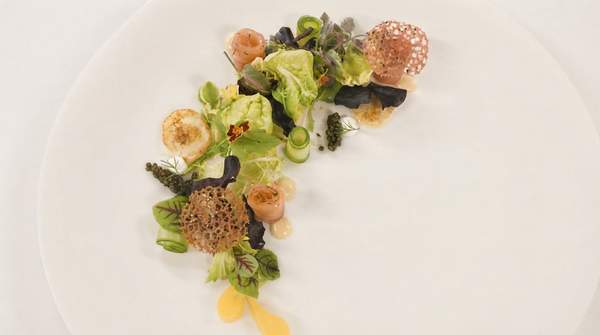
In 2005, Heston Blumenthal’s The Fat Duck, a restaurant famed for its snail porridge and bacon-and-egg ice cream, seized the title of best in the world. This moment, less than a decade after Blumenthal entered the culinary scene in 1995, marked a radical upheaval in fine dining. He earned three Michelin stars and an OBE, cementing molecular gastronomy’s profound impact on the highest echelons of the culinary world.
Molecular gastronomy often feels intimidatingly scientific, yet its precise techniques increasingly elevate everyday culinary experiences and products. The initial focus on avant-garde creations at elite restaurants like The Fat Duck forged a perception of inaccessibility, a barrier now dissolving.
As these methods become more accessible and understood, the boundary between traditional and 'molecular' cooking will blur. This evolution promises a more innovative, diverse global cuisine, moving beyond its initial disruptive force in elite fine dining to reshape kitchens everywhere.
Defining the Culinary Revolution
Emulsification, a cornerstone of molecular gastronomy, blends soy lecithin with ingredients using a hand blender, crafting stable foams or "airs," as noted by WebstaurantStore. This method conjures light, ethereal textures that deliver intense flavor, revealing the precise manipulation of food properties at molecular gastronomy's heart.
Gelification, another foundational process, employs agents like Agar Agar or Carrageenan to transform liquids into solid or semi-solid states, according to Gourmet Food World. Together, these techniques unlock a new dimension of culinary artistry. They allow chefs to sculpt dishes with unprecedented control over texture, form, and flavor, moving beyond traditional limitations to create entirely new sensory experiences.
Iconic Techniques Unveiled
The anti-griddle, a specialized surface chilled to a stark -30 degrees Fahrenheit, freezes food instantly. This rapid chill creates dramatic textural contrasts: a crisp exterior yielding to a liquid interior, defying conventional cooking. Similarly, liquid nitrogen plunges ingredients into frigid depths, freezing them in mere minutes. This swift action yields ice cream utterly devoid of ice crystals, achieving a silken smoothness impossible through traditional churning, as reported by Ebsco. These extreme cold techniques grant chefs an almost surgical precision over texture, allowing them to orchestrate surprising temperature shifts and mouthfeel, transforming the very architecture of a dish.
Beyond the Avant-Garde: Everyday Applications
Methyl cellulose, a compound often linked to molecular gastronomy, finds its quiet utility in everyday baking. Bakeries employ it to ensure pie fillings set consistently during baking, preventing a watery collapse, as reported by Ebsco. Its practical power in mundane food production, far removed from avant-garde theatrics, is evident.
Transglutaminase, commonly dubbed "meat glue," is another tasteless enzyme that binds protein-rich foods. It allows for perfectly uniform cuts or innovative protein fusions, a testament to scientific insight subtly refining common products. These 'molecular' ingredients, from methyl cellulose to transglutaminase, are essentially food-grade compounds that solve specific textural or structural challenges. They dissolve the rigid boundary between culinary art and food science engineering, making sophisticated textures and forms accessible to the masses, often without a whisper of their scientific origin.
The Impact on Dining and Innovation
Sous vide, a cooking method once reserved for elite kitchens, now graces home cooking and casual restaurants. It involves slow-cooking meat in a water bath at low, consistent temperatures between 55 to 60 °F, guaranteeing precise doneness and unparalleled tenderness, according to Gourmet Food World.
Spherification, which conjures soft, liquid-filled spheres using calcium chloride and alginate, has also permeated wider culinary landscapes. These delicate orbs deliver vibrant bursts of flavor and unique textural surprises, now appearing in desserts and cocktails far beyond their avant-garde beginnings, as noted by WebstaurantStore. The journey of these techniques, from laboratory-like precision to everyday accessibility, reshapes our very understanding of what a dish can be, pushing the boundaries of flavor and form for every palate.
Demystifying the 'Molecular' Kitchen
At its core, molecular gastronomy simply explores the physical and chemical transformations that occur during cooking. It deciphers how ingredients interact, how heat alters proteins, and how textures can be precisely sculpted, all to optimize flavor, texture, and appearance. This scientific lens, once perceived as esoteric, is now revealing its practical applications for every cook.
Key ingredients, often hydrocolloids like agar-agar and xanthan gum, thicken and gel with remarkable control. Emulsifiers such as soy lecithin conjure stable, airy foams. These are not arcane chemicals, but food-grade compounds designed to solve specific structural and textural challenges in the kitchen. Home cooks can readily embrace these principles, from wielding a sous vide machine for impeccably tender meats to experimenting with simple emulsifiers for stable vinaigrettes. Even the familiar interplay of acids and bases in baking, like buttermilk reacting with baking soda, embodies the spirit of molecular gastronomy, proving that scientific precision is already woven into the fabric of our culinary traditions.
The Future of Flavor and Form
The enduring legacy of molecular gastronomy lies in its relentless push against culinary boundaries, blending scientific rigor with artistic expression. Techniques like spherification, creating delicate edible beads through the precise reaction of calcium chloride and alginate, as detailed by Gourmet Food World, continue to inspire. This scientific approach, from anti-griddles freezing food instantly to liquid nitrogen crafting crystal-free ice cream, promises a future where chefs wield unparalleled control, moving beyond intuition to sculpt experiences that challenge our very perception of taste and texture. It is a promise of diverse, surprising food experiences, where every bite is a meticulously crafted revelation.
The principles of molecular gastronomy are increasingly ingrained in everyday food development that consumers will savor enhanced textures and flavors in common products, often without recognizing their precise, scientific origins, a quiet revolution championed initially by chefs like Heston Blumenthal.