While humans have only ever prepared and eaten a mere 10^6 recipes, food scientists estimate the total number of possible recipes to be a staggering 10^15, hinting at an undiscovered universe of flavor combinations. This vast, unexplored culinary space suggests an immense potential for new food pairing principles and sophisticated dining experiences beyond our current imagination for 2026.
Conventional food pairing often relies on broad categories like 'red wine with red meat,' but scientific analysis reveals that specific shared flavor compounds, not just general categories, dictate true compatibility. This reliance on generalized rules often overlooks the intricate chemical interactions that truly define harmonious tastes.
A deeper understanding of flavor chemistry is prepared to transform how we approach culinary creation and appreciation, moving beyond intuition to a more precise and expansive palate. This scientific shift promises to unlock genuinely novel and objectively delicious combinations.
The culinary world remains largely uncharted, with Kitchen-Theory estimating 10^15 possible recipes compared to the approximately 10^6 humans have explored. This vast numerical gap suggests an immense, largely untapped potential for culinary innovation, far beyond traditional boundaries. Food scientists have begun decoding a universal principle behind successful recipes through intricate analyses of flavor networks, according to Blogs Cornell. Many delicious combinations, potentially defying established categories, await recognition.
This immense, unexplored culinary world fundamentally challenges the notion that all great pairings have already been discovered. Instead, it positions humanity at the edge of an explosion of novel, scientifically validated flavor combinations. These new discoveries will redefine 'gourmet' and challenge established palates, offering new sophisticated dining experiences.
The Evolving Landscape of Flavor Pairing
Modern culinary science recently analyzed a network of links between ingredients and flavors in approximately 56,000 recipes sourced from three distinct online recipe sites, according to Kitchen-Theory. Extensive data collection reflects a broader shift from intuitive gastronomic pairing towards data-driven scientific methods. Foodpairing®, a prominent flavor research company, now analyzes ingredients in its lab using gas chromatography coupled mass spectrometry (GC-MS) to precisely determine their aromatic profile, as detailed on Foodpairing's website. This advanced technique isolates the individual volatile compounds responsible for an ingredient's unique smell and taste.
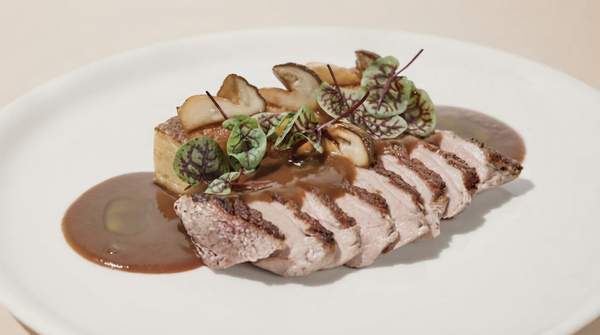
Moving beyond subjective experience to objective chemical analysis signifies a significant change. Modern food science maps the chemical basis of flavor compatibility, identifying novel connections previously overlooked. The future of food pairing is less about subjective palate and more about objective chemical compatibility, potentially democratizing sophisticated taste by making 'impossible' pairings accessible, as signaled by Foodpairing's use of GC-MS to analyze aromatic profiles.
Applying Scientific Principles to Your Plate
The power of chemical analysis in food pairing is highlighted by a surprising discovery: jasmine flowers and pork liver share a flavor compound called indole, according to Winefolly. This chemical link explains why these two seemingly disparate ingredients can create an unexpected, yet harmonious, flavor profile when combined. Similarly, the distinct aroma of both banana and pear is attributed to a shared compound known as isoamyl acetate, demonstrating how common chemical threads connect diverse ingredients.
By identifying these shared aromatic compounds, home cooks and professional chefs can intentionally craft sophisticated and often counter-intuitive flavor combinations. This approach moves beyond traditional recipes, allowing for scientifically harmonious dishes that might otherwise be dismissed. The discovery of shared flavor compounds like indole between jasmine and pork liver suggests that chefs and home cooks clinging to broad, traditional pairing rules are missing out on an entire universe of objectively delicious, yet unconventional, culinary experiences.
The Limitations of Conventional Pairing Wisdom
Traditional wine pairing advice often follows broad, categorical rules, such as the recommendation from JJ Buckley that red wine pairs well with red meat. This same source also suggests white wine complements light meats like fish or chicken. While these guidelines offer a simple starting point for many diners, they represent an oversimplified view of flavor interactions. Such broad categories frequently overlook the specific flavor compounds at play within individual dishes and beverages.
Adherence to these generalized rules can be restrictive, hindering true culinary exploration. These conventional pairings, though familiar, often miss the true molecular basis of flavor compatibility. By relying solely on categories, cooks and diners limit their experiences, potentially overlooking more precise and harmonious pairings based on a deeper chemical understanding of ingredients. This approach often prioritizes tradition over objective deliciousness, limiting the scope of sophisticated dining possibilities.
Elevating Your Palate: Actionable Pairing Advice
To refine pairing decisions, consider the interaction of specific sensory properties. Beverages with astringency, including black tea, beer, and red wine, prove more effective at countering greasy food than plain water, according to Winefolly. This astringent quality helps cleanse the palate, providing a refreshing contrast to rich dishes. Another key principle involves acidity: JJ Buckley states that wine should possess a higher acid content than its food counterpart to prevent the wine from tasting flat or dull.
Understanding these fundamental principles allows for more nuanced and successful pairing decisions. Balancing acidity, for instance, brightens flavors and enhances the overall dining experience. Employing complementary textures, such as using astringency to cut through fat, moves beyond simple categories to create sophisticated and satisfying combinations. This actionable advice combines scientific insights with practical application, empowering individuals to create more thoughtful and delicious food and beverage combinations for sophisticated dining.
Common Questions in Flavor Harmony
What are the basic rules of food and wine pairing?
A fundamental rule in wine pairing involves sweetness levels: JJ Buckley advises that wine should possess more sugar than its food partner. If the wine is less sweet than the dish, it can taste bitter or sour, creating an imbalance. The importance of matching or exceeding the sweetness of the food to ensure a harmonious experience is highlighted by this principle.
The Future of Flavor: A Scientific Palate
Ultimately, successful food pairing, whether guided by traditional wisdom or scientific discovery, hinges on achieving a harmonious balance where neither component overpowers the other. JJ Buckley emphasizes that wine and food should be well matched in their intensity to ensure a sophisticated dining experience. This balance allows each flavor to be appreciated, creating a cohesive and enjoyable sensory journey.
The culinary world approaches an explosion of novel, scientifically validated flavor combinations. This shift will redefine 'gourmet' and challenge established palates, expanding our understanding of deliciousness. By Q3 2026, companies like Foodpairing will likely have further refined their GC-MS analysis, enabling even more precise and unexpected flavor revelations for chefs and home cooks seeking new culinary frontiers.


