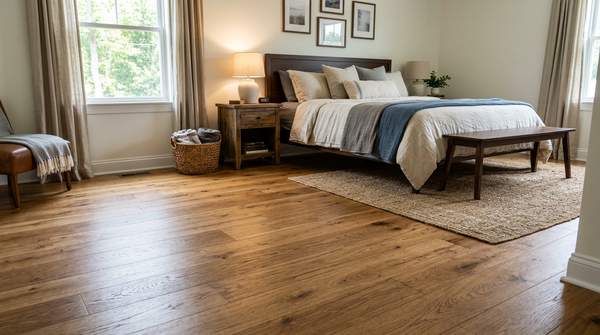
Fast furniture, often made from particleboard, plywood, and fiberboard, can contain formaldehyde. This introduces hidden health risks into homes designed for fleeting trends. While interior design trends shift annually, the value of quality craftsmanship and natural materials endures. Companies pushing cheap, trend-driven 'fast furniture' sell a ticking health time bomb, as Resource Furniture's findings on formaldehyde reveal a dangerous trade-off between affordability and household safety. This disconnect between consumer behavior and intrinsic material value is clear.
Style preferences are fluid; trends change annually, according to 1stdibs. Yet, natural materials like wood and stone are trend-proof, as Stylebyemilyhenderson states. This suggests that while the market dictates fleeting styles, certain materials possess an inherent, timeless aesthetic. As awareness of environmental impact and long-term costs grows, consumers will increasingly shift from disposable decor towards enduring, well-made furniture for sophisticated interiors in 2026. This prioritizes lasting quality and personal style over fleeting trends.
1. Mid-Century Modern (MCM) Furniture
Best for: Design enthusiasts, those seeking clean lines and functional aesthetics.
Mid-Century Modern furniture endures for its timeless appeal and blend of form and function. This style proves that good design lasts, consistently appearing in top rankings for its enduring qualities.
Strengths: Enduring style, versatile, high functionality | Limitations: Can be expensive for original pieces, specific aesthetic | Price: Moderate to high
2. Natural Wood Furniture (Mid-Tone Finishes)
Best for: Homeowners prioritizing warmth, durability, and classic appeal.
Quality natural wood is trend-proof, notes Stylebyemilyhenderson. Mid-tone finishes like oak and walnut always work, wearing beautifully and warming new spaces, states Stylecraft. Wood offers inherent durability and aesthetic longevity, making it a foundational choice.