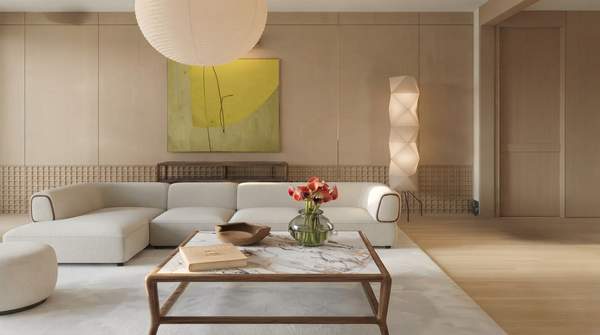
Smart home technology and minimalist luxury design are not natural enemies, but they become adversaries when technology decisions are made late. The best technology in a luxury home, as Lee Wetherington Homes puts it, is often "the technology you don't notice." Achieving that invisibility comes down to three distinct concealment strategies: architectural integration that hides devices inside walls and ceilings, furniture integration that embeds them into functional pieces, and aesthetic blending that makes what remains visible feel like part of the architecture. Choosing the right strategy for each device is what separates a serene interior from one dotted with gadgets.
Smart Home Concealment Strategies at a Glance
Before diving into each approach, it helps to see how the three strategies compare. Each suits different device categories and carries different installation demands.
| Concealment Strategy | Applicable Technologies | Aesthetic Impact | Installation Considerations |
|---|---|---|---|
| Architectural integration | Invisible speakers, motorized blinds, hidden wiring, sensors and controls recessed into walls and ceilings | Completely invisible—"heard but not seen"—leaving no visual footprint | Requires pre-wiring and structural accommodations; devices are finished over with surrounding surface materials; must be planned during design or construction |
| Furniture integration | Wireless charging surfaces, sensor-activated cabinet lighting, motorized TV lifts, built-in projector mechanisms, automated bed bases | Devices stay out of sight until needed; furniture becomes a technology surface | Can often be incorporated via furniture selection or custom cabinetry; some mechanisms benefit from early coordination |
| Aesthetic blending | Wall-mounted touch panels, integrated lighting controls, visible devices and finishes | Technology reads as an extension of the architecture rather than an afterthought | Driven by finish and material selection; reduces the need for visual retrofits and keeps the design language consistent |
The rule of thumb the table implies: if the device can live inside the structure, integrate it architecturally; if it serves the body or the eye at furniture scale, embed it there; only then should anything visible be chosen and finished to blend.
Strategy 1: Architectural Integration for Invisible Technology
The most complete form of concealment places the technology inside the building itself. Invisible speakers are the clearest example. Sonance's Invisible Series is installed into the wall or ceiling and then finished over with the surrounding surface, delivering ambient music with, as the company describes it, "no visual footprint." Its speakers can sit under up to 1/8 inch (3mm) of flexible material without affecting sound quality, and their roughly 2-inch (51mm) depth suits a wide range of construction types.
Installation is more approachable than it sounds. Stealth Acoustics describes the process as "as simple as fitting a drywall patch": the speaker's frame and baffle mount directly to the structural framing, its edges sit flush against the surrounding wallboard, and the seams are taped and spackled using common materials before painting or wallpapering. Residential Tech Today writer Darryl Wilkinson notes that placing invisible architectural speakers in walls or ceilings eliminates the physical and visual annoyances of both in-room speakers and traditional architectural speakers. The same architectural approach extends to motorized blinds, hidden wiring, and discreetly recessed sensors and controls.
Strategy 2: Furniture Integration for Functional Concealment
Not every device belongs in a wall. Zeysey, a design publication covering minimalist smart home aesthetics, observes that furniture is "evolving from purely functional objects into technology surfaces." The category is broad: wireless charging pads embedded beneath wood surfaces, LED strips that illuminate cabinets when doors open, motorized TV lift systems, motorized kitchen modules, automated bed bases, and built-in projector mechanisms all fall under this umbrella.
The aesthetic logic is straightforward. A charging pad hidden under a wood console delivers power without a cable on the tabletop; a TV that descends from a cabinet restores the room to a single focal point when switched off. Zeysey argues that smart furniture "simplifies and visually cleans the environment," adding practicality while maintaining the calm surface vocabulary that minimalism demands. For a luxury interior, this strategy often matters most in living and sleeping spaces, where screens and devices would otherwise dominate sightlines. Evgor Furniture echoes the same principle, pointing to furniture with built-in charging stations and concealed installations as ways to keep high-tech living clutter-free.
Strategy 3: Aesthetic Blending for Seamless Controls and Devices
Some technology must remain visible—control panels, keypads, thermostats, lighting interfaces. The third strategy accepts this and makes visibility an asset rather than a compromise. Homlisse, writing on minimalist smart home design, frames the goal as choosing materials and finishes so that "technology feels like an extension of the architecture rather than an afterthought." That means wall-mounted touch panels with slim profiles and neutral finishes, and control surfaces whose tones match the surrounding walls rather than interrupting them.
Evgor Furniture recommends the same pairing: conceal what can be concealed, then select sleek, minimalist touch panels that blend with modern aesthetics rather than clash with them. Homlisse adds a long-term benefit—consistent finishes "reduce the need for visual retrofits and keep the design language consistent as the home evolves." In other words, blending is not a consolation prize for devices that could not be hidden; it is the mechanism that keeps the interior coherent as systems are added or replaced over the years.
The Critical Role of Early Planning in Smart Home Integration
All three strategies share one prerequisite: timing. Lee Wetherington Homes is blunt about the cost of waiting—"some of the most important technology decisions are often made too late or not at all." Decisions deferred until construction is underway can limit what is possible, increase costs, and force compromises on features that could have been integrated from the start.
The same source advises that technology planning begin during the earliest stages of the design process, before construction starts. Early coordination creates more opportunities to integrate lighting, security, entertainment, and motorized shading into the home's layout, and it helps avoid costly retrofits, reduce delays, and ensure the technology genuinely fits the way the household lives. This is especially true for architectural integration: invisible speakers need framing, wiring, and finishing decisions made while the walls are still open. When smart systems are planned alongside the architecture and interior design, the builder notes, wiring, speakers, sensors, and controls can be discreetly distributed throughout the property, preserving clean sightlines and premium finishes.
Professional collaboration closes the loop. The Home Technology Association suggests working with a certified local technology integrator, noting that "a good local technology partner will be more than happy to educate you on how you can elevate your project to the next level with high-design technology."
Achieving Your Invisible Smart Home Vision
Homeowners planning a new build or major renovation should prioritize early planning and professional collaboration, applying architectural concealment wherever the structure allows, furniture integration for charging and displays, and aesthetic blending for controls that must stay visible. The measure of success is concrete: smart home functionality that operates without visible technological clutter, enhancing the home's aesthetic rather than detracting from it. If the speakers are heard but not seen, the screens disappear when idle, and the control panels read as part of the wall itself, the design brief has been met.
Sources
- 5 Luxury Smart Home Design Technologies to Consider — Lee Wetherington Homes, Sarasota
- Sonance Invisible Series — Sonance Site
- How To Install — Stealthacoustics
- Heard but Not Seen, These Invisible Architectural Speakers Offer Beautiful Sounds Without… — Residential Tech Today
- minimalist smart home: Smart Home Aesthetics & Modern Interior Integration — ZEYSEY
- Smart Home Integration: Combining Technology with Luxury Interior Design — Evgor Furniture
- How to Create a Seamless Smart Home Aesthetic with Minimalist Design - Homlisse
- Smart Home Tips for Interior Designers — Htacertified